The Arctic is no longer just a frozen wasteland of scientific curiosity and melting glaciers. It's the next major geopolitical chessboard. With the United States, Denmark, and Greenland preparing to sign a landmark security agreement at the United Nations General Assembly in New York, Washington is officially expanding its military footprint on the world's largest island.
Under the new pact, the US plans to reactivate a Cold War-era base in southern Greenland and establish a military presence on the island's east coast. This isn't just about old installations coming back to life. It's a clear signal to Russia and China that the Western alliance is waking up to the scramble for northern maritime routes and vast untapped mineral wealth.
If you've been wondering why Washington is suddenly doubling down on Greenland after decades of quiet neglect, you have to look at the numbers. During the peak of the Cold War, the US maintained 17 separate military installations and stationed over 10,000 personnel across Greenland. Today, that footprint has shrunk to a single facility—the Pituffik Space Base, which houses a mere 150 US military personnel.
That massive gap is about to shrink. The new deal focuses on two strategic locations.
The Two Strategic Outposts
The first site is Narsarsuaq in southern Greenland, home to the former Bluie West One military base that the US shut down back in the 1950s. Today, Narsarsuaq is a tiny settlement where the local population has dwindled to just a few dozen people. Reopening an American presence here means establishing a vital southern staging ground.
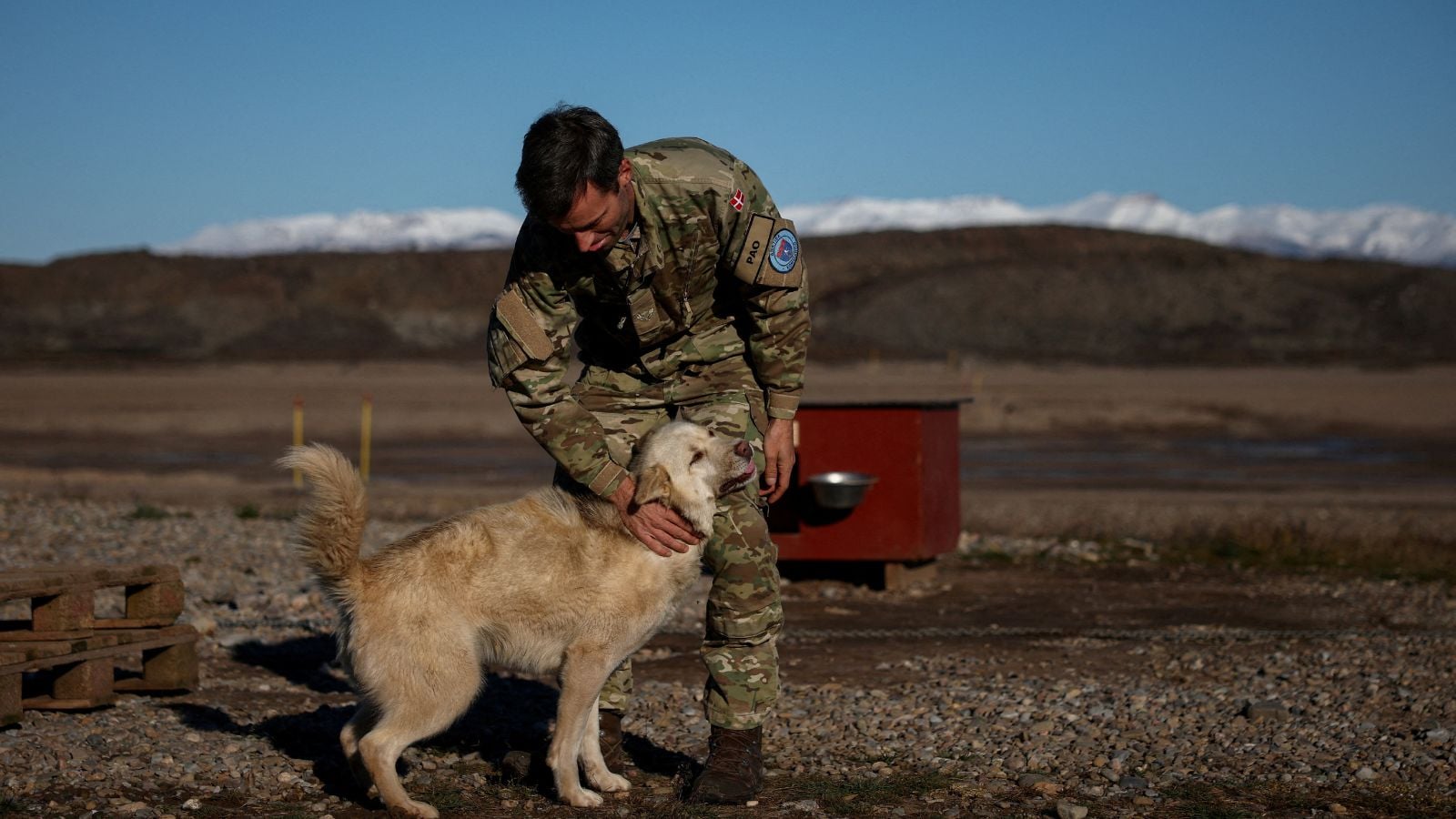
The second site is Mestersvig on the east coast. Right now, this remote outpost is used primarily by the Sirius Dog Sled Patrol, a legendary Danish special forces unit that monitors the vast wilderness on dog sleds. Adding a US military presence to Mestersvig gives Washington eyes and ears on a coastline that is becoming increasingly accessible as Arctic ice retreats.
The Diplomatic Pressure Behind the Deal
Let's be honest about how we got here. President Donald Trump's repeated insistence that the US should control Greenland triggered a minor diplomatic crisis within NATO. Copenhagen and Nuuk were forced into high-stakes negotiations to protect their sovereignty while defusing mounting tensions with Washington.
Rather than a hostile takeover, the talks produced a multilateral security framework. Danish officials have emphasized that Arctic security under the new agreement will be managed primarily at the NATO level, rather than through a bilateral arrangement between just Washington and Copenhagen. This shifts the geopolitical weight and ensures that regional stability involves European allies rather than unilateral American dominance.
At the same time, the White House has made its red lines crystal clear. The agreement aims to lock out competitors like China and Russia, ensuring they cannot establish bases or secure sensitive investments on the island without explicit consent.
What This Means for the Future
As global warming opens up new shipping lanes and exposes previously unreachable natural resources, the Arctic is transforming into a high-stakes arena. Russia has spent years upgrading its northern military infrastructure and rebuilding Soviet-era Arctic bases. China has branded itself as a "near-Arctic state" and pushed for commercial and scientific footholds in the region.
The US military expansion in Greenland is a direct response to that pressure. It ensures that Washington and its NATO allies maintain strategic dominance over the GIUK gap—the Greenland-Iceland-United Kingdom naval chokepoint.
Watch for the formal ink to dry at the UN General Assembly. Once signed, expect construction crews, logistics planners, and military personnel to start turning quiet polar settlements back into active outposts. The Arctic cold war is officially back on.