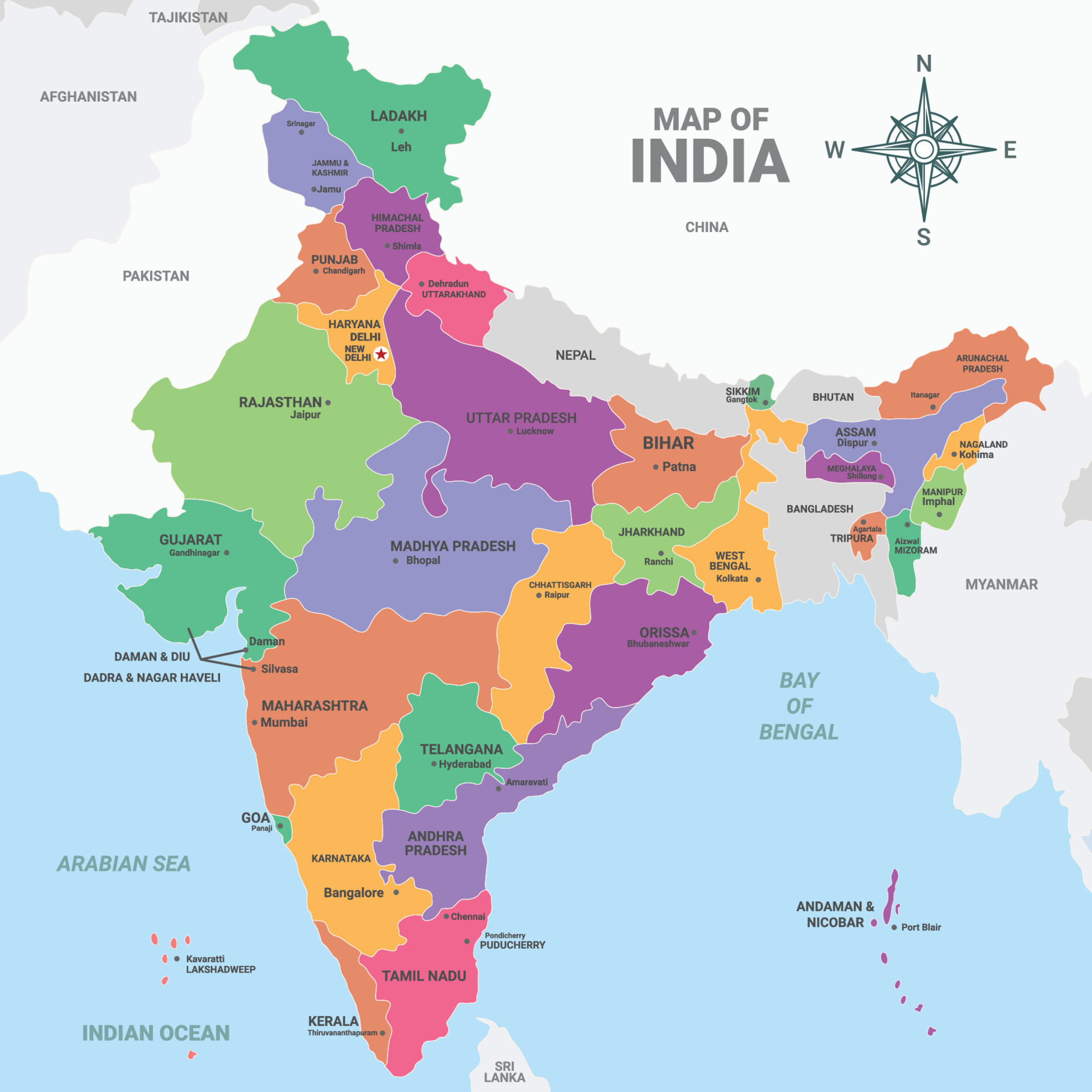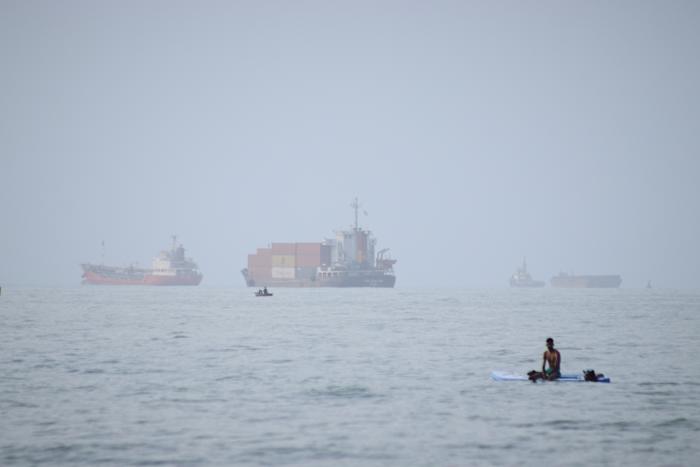
The world runs on energy, and energy runs through a narrow slit of water between Iran and Oman. Right now, that bottleneck is the center of a high-stakes geopolitical tug-of-war. Iran and Oman are quietly hammering out an agreement to reopen the Strait of Hormuz, and Washington is hating every minute of it.
If you look past the standard political theater, a massive shift is happening in the Persian Gulf. Tehran wants control, Oman wants stability, and the White House is scrambling to claim credit for a breakthrough it doesn't entirely control.
Let's break down what is actually happening behind closed doors, why the proposed terms have Pentagon officials sweating, and what this means for global shipping lanes.
The Mechanics of the Proposed Agreement
Under the framework currently being discussed by Iranian and Omani officials, commercial maritime traffic would follow a heavily structured route. Ships entering the Persian Gulf would hug the northern side, moving through a channel closely controlled by Iran and hugging its coastline. Outbound traffic would take a southern route closer to Oman.
It sounds straightforward on paper. In practice, it hands Iran unprecedented leverage over a chokepoint that handles roughly a fifth of the world's oil and liquefied natural gas.
Here is where the friction starts. Iranian officials maintain that vessels wouldn't technically pay a toll. Instead, they've floated the idea of a mandatory "service fee." Tehran claims this money would cover environmental safeguards, cargo ship security, and operational staffing, with the revenue split evenly between Iran and Oman.
Washington views this entirely differently. US officials have called the Iranian description inaccurate, arguing that any temporary shipping corridor shouldn't require Iranian sign-off and certainly shouldn't involve mandatory fees. Senior Pentagon leadership is deeply skeptical, viewing the terms as a major strategic concession to a regional adversary.
The Clash Between Washington and Tehran
You have two completely different realities being broadcast right now.
On one side, US leadership has expressed immense optimism, suggesting that a deal to completely open the strait could materialize almost overnight. Treasury Secretary Scott Bessent recently pointed to active negotiations, while President Donald Trump insisted a breakthrough was imminent.
On the other side, Tehran is pushing back hard against American framing. Iranian Foreign Ministry spokespeople have insisted that Iran is negotiating strictly with Oman, not with Washington. Senior Iranian officials have even accused the White House of slowing down the diplomatic process through constant public interference and attempts to steal the spotlight.
Ali Vaez, the Iran project director at the International Crisis Group, put it bluntly to reporters: whatever final arrangement emerges will be a tough sell for the US administration, primarily because there is no easy military fix to eliminate Iran's geographic chokehold on the waterway. As he noted, the options boil down to an unwinnable conflict or an unpalatable peace.
What Happens Next for Global Markets
Oil prices recently reacted with a 2% drop on rumors of an impending ceasefire and shipping resumption, but the physical reality on the water remains tense. Cargo vessels have continued to report incidents near the mouth of the strait, proving that safety guarantees are still far from locked down.
If Tehran and Muscat finalize this corridor, shipping companies will face a new financial and operational reality. Navigating the Persian Gulf will mean dealing directly with a framework dictated heavily by Iranian oversight.
Keep a close eye on whether regional mediators can bridge the gap between Omani diplomats and American demands. Until those terms are set in stone, the world's most vital energy corridor remains a volatile gamble.