Netflix just dropped its massive adaptation of Little House on the Prairie, and before you roll your eyes at another Hollywood reboot, you should know this isn't some cheap exercise in nostalgia. We live in a cultural moment obsessed with clean living, off-grid homesteading, and TikTok tradwives baking bread in gingham aprons. It was only a matter of time before someone brought back the ultimate pioneer family. This new version, steered by showrunner Rebecca Sonnenshine, lands right as America celebrates its 250th birthday, mirroring how Michael Landon’s iconic 1974 series debuted right before the nation’s Bicentennial. We love to look at ourselves through the lens of the frontier when we’re trying to figure out who we are.
The real surprise is that the show manages to walk a brutal tightrope. It honors the source material while aggressively dismantling the myths we've built around it. It turns out you can have the covered wagons, the heart-tugging family bonds, and the harsh realities of history all in the same script.
The Ridiculous Pre Premiere Culture War
Before a single frame even streamed, the internet did what it always does. It lost its collective mind. When Netflix announced the project, conservative media commentators threw a massive fit. There were public vows to ruin the project if the creators dared to make the story "woke." It was a bizarre preemptive strike that completely ignored what the original material actually was.
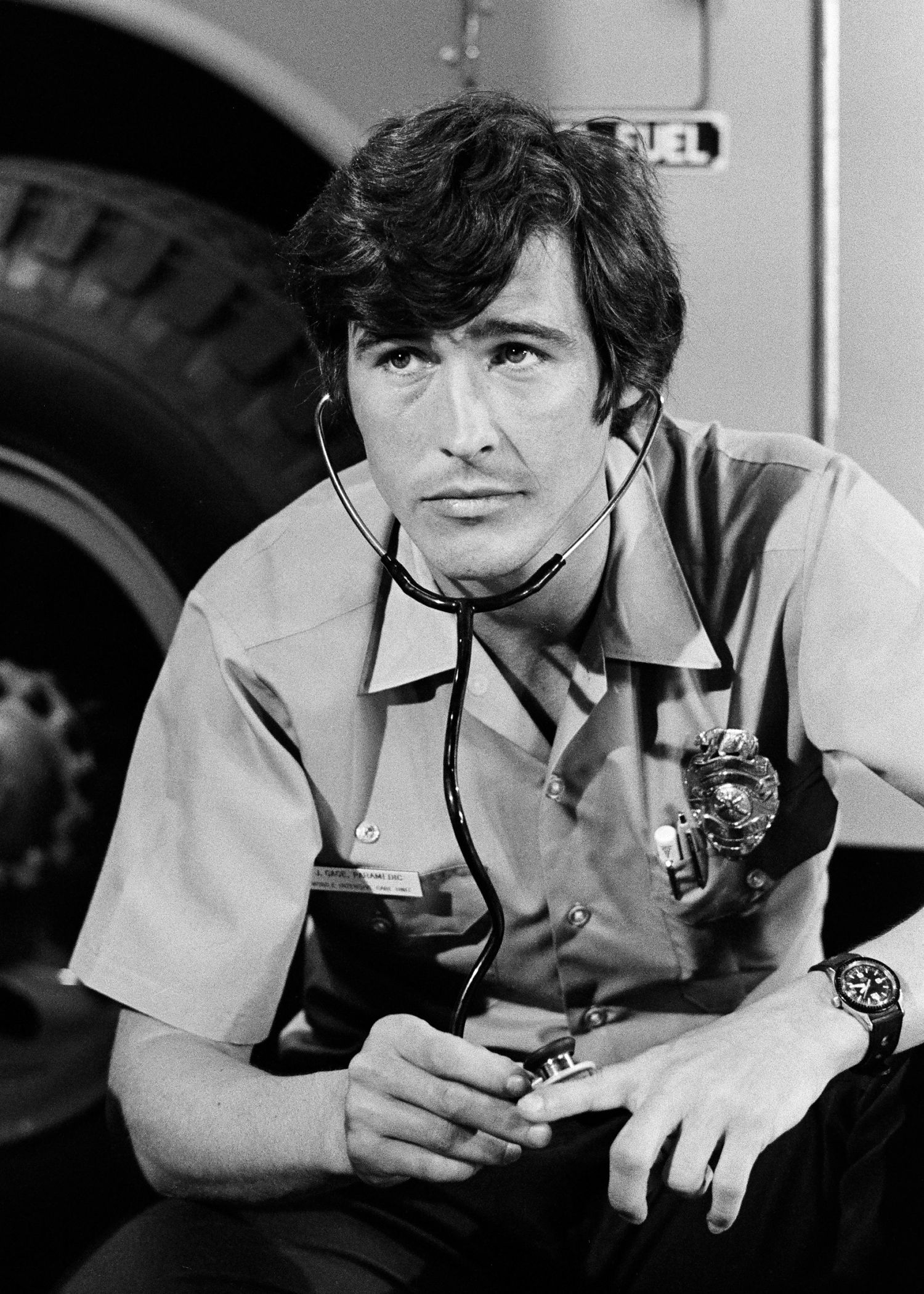
Former cast members from the 1970s series, including Melissa Gilbert and Alison Arngrim, had to step in and remind everyone of a simple truth. The original show wasn't some sanitized, safe-space fantasy. Michael Landon’s version regularly dealt with heavy, disturbing themes. They tackled systemic racism, drug addiction, sexual assault, domestic abuse, and religious fanaticism. The idea that the frontier was a conflict-free paradise of pure traditional values is a modern delusion.
The new series doesn't bow to the internet outrage machine. It just looks closer at the history Laura Ingalls Wilder lived through. It treats the audience like adults who can handle the truth about how the West was settled.
We Are Not Looking at Free Land
The biggest shift in this adaptation is how it handles the dirt under the characters' feet. In the books and the old TV show, the narrative was simple. The U.S. government passed the Homestead Act, promised 160 acres of free land to anyone willing to work it, and the Ingalls family packed up to chase the American dream.
This version looks at that arrangement from a different angle. The land wasn't free. It belonged to the Osage Nation.
Historical Reality vs. Pioneer Myth
--------------------------------------------------
The Myth: Wilderness waiting for brave settlers.
The Reality: Sovereign territory occupied by Indigenous nations.
The Show's Angle: The Ingalls are illegal squatters on Osage land.
Instead of painting the Indigenous population as nameless threats lingering in the background, Sonnenshine brings them to the forefront. The production hired Julie O'Keefe as an Osage consultant to ensure the costumes, language, and cultural nuances were handled accurately. We see an Osage family dealing with the sudden, confusing influx of white families staking claims on their home.
Charles Ingalls, played by Luke Bracey, has to confront an uncomfortable truth. He isn't just an innocent pioneer. He’s an illegal squatter. The show shows him wrestling with the fact that building his family's dream requires the forced displacement of people who have been there for generations. It makes for tense, complicated television. It strips away the easy heroism we usually give to western settlers.
Humanizing a Flawed Pa Ingalls
Michael Landon’s Pa was the ultimate television father. He was a moral rock, a tireless worker, and a man who always knew exactly what to do. He was perfect.
Luke Bracey didn't watch the original series before filming, which was probably the best choice he could have made. He plays a very different Charles Ingalls. This Charles is still a good man who loves his family deeply, but he is visibly out of his depth. The frontier is terrifying. He makes bad calls. He hides the political realities of their situation from his wife and children because he doesn't want them to panic.
The Shift in Fatherhood
Watching Laura, played beautifully by Alice Halsey, realize that her father isn't a god is one of the best arcs of the first season. She watches him fail. She watches him make mistakes. The show allows Charles to admit his flaws to his daughter, creating a much more honest, grounded dynamic than the flawless patriarch model of the past.
Crosby Fitzgerald plays Ma with a grit that balances Bracey’s anxious energy. She isn't just a passive housewife waiting in the cabin. She's managing the terrifying logistics of survival while pregnant. The chemistry between the leads keeps the show grounded in real human emotion, even when the historical commentary gets heavy.
Checking Off the Iconic Book Moments
For all its historical re-examinations, the show doesn't forget why people love these stories. The writers literally kept a physical checklist of iconic moments from the books that they had to include.
If you grew up reading Laura Ingalls Wilder, you know that the small details matter. The show devotes entire narrative chunks to things that seem trivial today but meant everything to a pioneer family.
- The dog Jack gets lost during a terrifying river crossing and miraculously finds his way back.
- Pa finally builds a solid wooden door for the cabin, a task that takes a whole chapter in the novel.
- Ma gets her cherished wooden rocking chair set up inside their small home.
These moments keep the heart of the original material alive. The show understands that rugged individualism is a massive part of the American mythos. We like to watch people build things with their bare hands. We like to see a family survive a blizzard through sheer willpower.
Why We Need This Story in 2026
Our current obsession with simpler times isn't an accident. Between algorithmic fatigue, shifting economies, and political exhaustion, the idea of walking away from the grid to build a cabin has never looked better. The online explosion of the cottagecore subculture proves that young people are starving for a connection to the land, even if it's just a romanticized version of it.
But the show doesn't validate our desire to escape into isolation. It argues that isolation is a death sentence. The Ingalls family cannot survive alone. They need their neighbors. They need Mr. Edwards, played with a rough, grieving tenderness by Warren Christie. They need Dr. George Tann, the Black physician who saves them from malaria.
The show reveals that community isn't a luxury. It’s a survival mechanism. You have to learn to cooperate with people who don't look like you, think like you, or come from the same background. That’s where the real frontier spirit lives.
What Comes Next for the Ingalls Family
Netflix has already greenlit the second season, and production is moving fast. The story is moving away from the Kansas prairie and heading toward Walnut Grove, Minnesota.
The creators have already dropped casting news that will change the dynamic of the show completely. Willa Dunn has been cast as Nellie Oleson, the ultimate spoiled antagonist of Laura’s childhood. Rachelle Lefevre is joining as the beloved schoolteacher Eva Beadle. Sonnenshine has promised a slightly different take on the Oleson family, using the original books as a baseline while adding more psychological weight to the town's social dynamics.
If you’ve been avoiding this remake because you thought it would be a cynical cash grab or a preachy lecture, go stream the first episode. It’s a beautiful, complicated, deeply human look at the stories we tell ourselves about how this country was built.