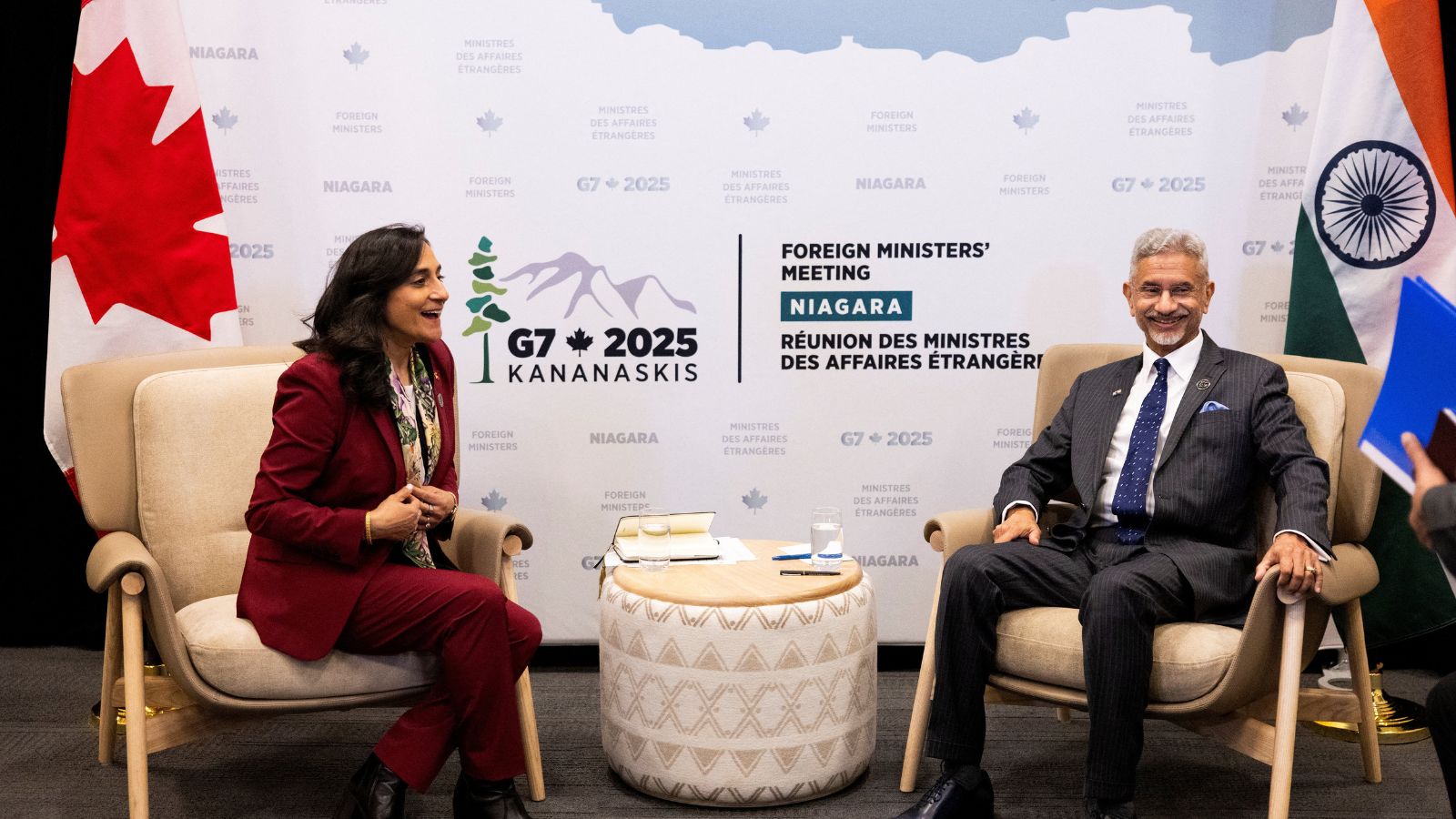
Foreign policy shifts don't happen in a vacuum. When Canadian Foreign Minister Anita Anand steps into New Delhi to meet External Affairs Minister S. Jaishankar, diplomats watch closely. This isn't just standard diplomatic handshaking. It is a calculated push to steady a relationship that hit historic lows recently and now needs practical economic and security repair.
You need to understand what is driving this visit. Two-way trade between Canada and India reached $30.4 billion, with $11.0 billion in goods alone. Behind the political noise, business keeps moving. Ottawa wants to diversify its trade partnerships beyond traditional allies, and New Delhi remains an economic heavyweight that no major Western nation can afford to ignore.
What the Bilateral Roadmap Actually Covers
The ongoing high-level meetings build directly on the joint framework established to mend fences. Both countries are targeting specific sectors where collaboration makes financial and strategic sense.
Energy security sits at the top of the agenda. Canada has the resources, and India has the massive demand. Officials are working to restart the Canada-India Ministerial Energy Dialogue. They are looking at long-term arrangements for liquefied natural gas, liquefied petroleum gas, and critical minerals like uranium. India needs raw materials for its clean energy transition, and Canadian mining firms want secure export markets.
Technology cooperation is another heavy hitter. Both governments want deeper ties in artificial intelligence, digital public infrastructure, and scientific research. Instead of empty rhetoric, Canadian tech firms and academic researchers are plugging straight into India's expanding digital ecosystem.
Why Ties Soured and How They Are Thawing
Diplomatic channels froze in 2023 after serious allegations from Ottawa regarding security incidents on Canadian soil. For months, trade talks stalled and political rhetoric stayed sharp.
Yet, economic reality forced a reset. Leaders on both sides realized that permanent hostility hurts national interests. Business lobbies in Toronto and Mumbai pushed for normalization. Sustained high-level dialogue—marked by numerous interactions between Anand and Jaishankar—created a baseline of practical engagement. They aren't pretending past tensions didn't happen. Instead, they are compartmentalizing disputes to focus on trade, energy security, and institutional links.
What Comes Next for Bilateral Ties
If you're watching international markets or global supply chains, track the upcoming sector-specific dialogues. Watch for concrete movement on critical minerals agreements and joint technology ventures rather than looking at press releases.
Diplomacy requires constant maintenance. The current diplomatic thaw shows that pragmatic economic interests usually override political friction when the stakes are high enough. Expect incremental progress as both capitals test each other's commitment to the renewed partnership.