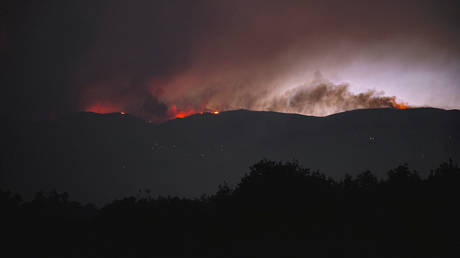
Air defense sirens broke the quiet across parts of Saudi Arabia on Monday, marking a sharp and dangerous turn in regional stability.
The Saudi Defense Ministry announced that it successfully intercepted multiple drones targeted at key petroleum facilities in the eastern part of the kingdom and the capital, Riyadh. According to official military statements, these aerial threats originated from Iraqi territory and were executed by Iran-backed armed groups. Simultaneously, Yemen's Houthi movement claimed responsibility for separate, coordinated drone strikes hitting critical crude oil supply and transport lines running toward Yanbu.
If you thought the fragile lulls in West Asian conflicts meant lasting peace, Monday's escalation proves how quickly the security calculus can shatter.
Behind the Multi-Front Aerial Assault
The simultaneous nature of these threats caught regional analysts off guard. For weeks, attention remained fixed on the tense, 13-day exchange of fire between the United States and Iran, which only recently subsided following a pause in hostilities. Just as that specific flashpoint cooled down, Saudi Arabia found itself targeted on two distinct fronts.
Riyadh didn't mince words. The Saudi government issued a stern demand to Baghdad, urging Iraqi authorities to immediately implement strict measures to stop local factions from turning the country into a launchpad for cross-border strikes. Interestingly, pro-Iran militias operating inside Iraq hadn't claimed any attacks since an earlier April ceasefire collapsed. Yet, the physical evidence recovered by Saudi air defense systems pointed straight back north.
Meanwhile, down south, Yemen's Houthi rebels pushed their own offensive. Military spokesperson Yahya Saree announced that the group deployed multiple drones against sensitive crude oil transport infrastructure. The Houthis framed these strikes as retaliation for alleged airspace violations and drone incursions by the Saudi-led coalition.
What This Means for the Fragile 2022 Truce
The flare-up threatens to undo years of painstaking diplomatic progress.
Back in 2022, a UN-brokered truce largely froze the devastating war in Yemen. Even after that formal agreement expired, both sides maintained a cautious, unwritten standstill. Monday's exchange shattered that quiet, marking the first direct military blows traded between Riyadh and the Houthis in years.
Compounding the pressure, the Houthis recently declared a naval blockade targeting Saudi commercial ports, prompting vows of a forceful response from the Saudi-led coalition to secure vital shipping lanes near the Bab al-Mandeb Strait.
When oil infrastructure faces simultaneous aerial threats from both the north and the south, global energy markets take notice. Energy security remains razor-thin, and any disruption to pipelines crossing from eastern fields to Red Sea export terminals like Yanbu sends immediate shockwaves through international markets.
The Pressure on Baghdad and Regional Deterrence
Iraq now sits in an uncomfortable diplomatic vice.
Baghdad has repeatedly tried to insulate itself from regional proxy conflicts, but the reality of armed factions operating outside state control makes that nearly impossible. When neighboring capitals point fingers at Iraqi soil as the origin point for incoming suicide drones, the central government in Baghdad faces immense pressure to crack down on rogue actors. Failure to do so risks drawing Iraq directly into a wider retaliatory cycle.
At the same time, Saudi Arabia's defensive posture has shifted from passive monitoring to active interception and open diplomatic demands. Riyadh's dual challenge involves neutralizing incoming threats while keeping its broader economic transformation plans insulated from regional chaos.
Keep a close eye on maritime traffic data around the Red Sea and official statements from the Iraqi foreign ministry over the coming days. The trajectory of these cross-border strikes will determine whether this is a short-lived spike in tension or the unraveling of the region's hard-fought ceasefires.