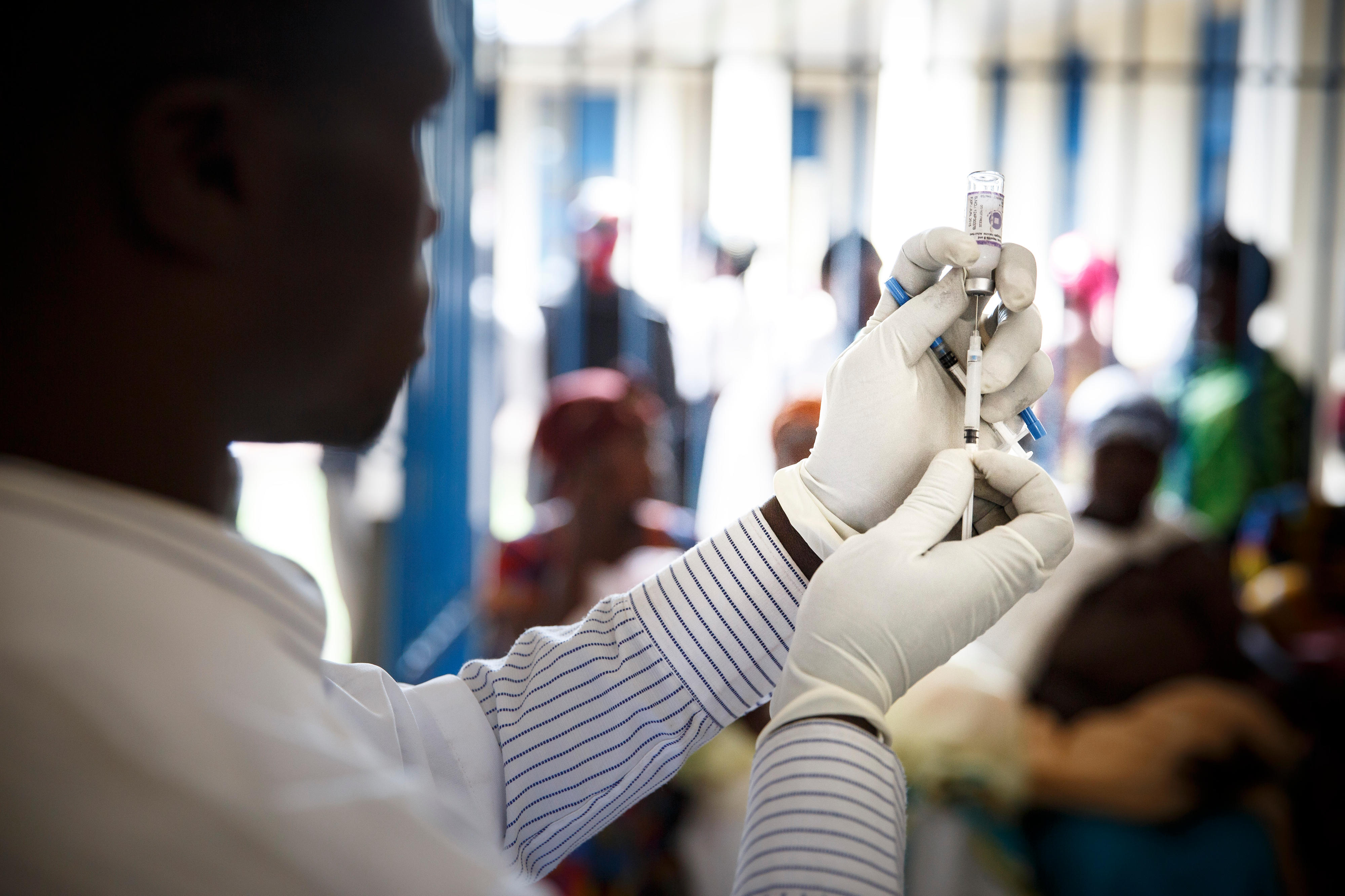
The Democratic Republic of Congo has started rolling out vaccinations to combat what has become its largest and deadliest recorded Ebola outbreak. Since May, health officials have registered 5,795 confirmed cases and 2,786 deaths. The numbers are staggering. But beneath the campaign lies a troubling medical reality that health agencies are scrambling to manage.
The rollout targets a crisis that has overwhelmed local medical infrastructure. Yet, the available vaccine has not been proven effective against the specific Bundibugyo strain driving this current wave. That gap leaves doctors fighting a high-stakes fire with incomplete tools.
Understanding the Bundibugyo Challenge
Why is this outbreak different? Strains matter. Previous outbreaks in the region typically involved the Zaire strain, which responds well to established therapeutics and vaccines like Ervebo.
This time, the culprit is the Bundibugyo strain.
- Clinical trials for specific Bundibugyo vaccines remain sparse.
- Public health teams have to rely on broader containment protocols.
- Contact tracing becomes exponentially harder in densely populated transit hubs.
When standard countermeasures don't match the exact viral lineage, response strategies shift toward strict quarantine, community engagement, and rapid isolation. People want a silver bullet shot. Right now, medical teams have to depend on old-school public health execution.
Ground Realities in Affected Regions
Public health campaigns in Central Africa face deep-rooted logistical roadblocks. You cannot simply drop medical supplies into a remote zone and expect smooth distribution.
Cold-chain storage presents a massive barrier. Maintaining sub-zero temperatures for sensitive vaccines across rough terrain with erratic power grids takes extraordinary effort. Local distrust of outside authorities also complicates things. Communities need transparent communication, not top-down directives.
Nurses and frontline workers carry the heaviest burden. Many operate without adequate personal protective gear during early surges. They know the risks better than anyone else.
What Needs to Happen Next
Containing an outbreak of this scale requires a multi-pronged approach rather than total reliance on a single intervention.
- Intensify local community engagement by partnering with trusted regional leaders to dispel rumors.
- Secure reliable cold-chain supply lines to ensure doses reach remote clinics without spoiling.
- Expand isolation centers close to high-transmission clusters to reduce transit times for sick patients.
The current vaccination drive is a necessary step, but it's only one piece of a much larger puzzle. Real containment depends on boots on the ground, community trust, and relentless epidemiological tracking until transmission drops to zero.