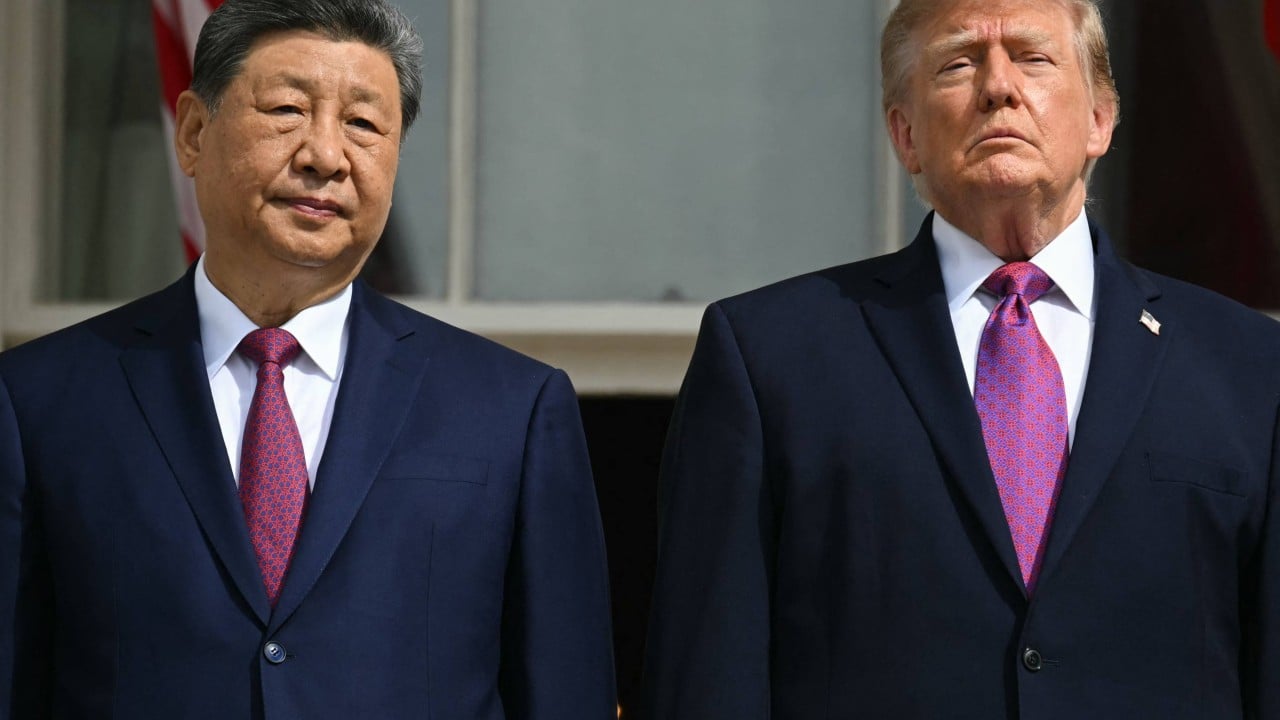
Diplomatic phrasing rarely happens by accident. When superpowers update the vocabulary used to describe their relationship, it tells you what they fear, what they want, and where the next friction point will emerge. Recent high-level summits between Washington and Beijing introduced terms like mutual respect, fairness, and strategic stability. These aren't just polite talking points meant to fill press releases. They are carefully negotiated guardrails designed to manage an intense geopolitical rivalry without tipping into open conflict.
If you look past the official handshakes, the underlying motives driving this new lexicon reveal a lot about how both governments plan to handle each other moving forward.
The Chinese Priority: Predictability and Preventing Escalation
Beijing's primary concern right now is economic breathing room. With domestic growth facing structural shifts and global supply chains fragmenting, Chinese leadership doesn't want an uncontrolled spiral with the United States. When Beijing pushes for terms like respect and non-interference, it wants a clear boundary drawn around its core national interests, particularly regarding Taiwan and industrial policy.
China wants stability without sacrificing its technological rise. Officials in Beijing view American export controls and technology restrictions as an aggressive attempt to cap their economic potential. By agreeing to new communication channels—including emerging dialogues on artificial intelligence safety and risk management—China aims to keep commercial friction from morphing into a military crisis. They aren't looking for an alliance; they're looking for predictable rules of engagement.
The American Priority: Managing Competition Without Capitulation
On the Washington side, the vocabulary shift reflects a bipartisan consensus that containment alone isn't working, but total decoupling is economically disastrous. American policymakers use words like reciprocity and fairness to address long-standing grievances over market access, intellectual property protection, and state subsidies.
The US strategy relies on setting strict limits on where competition is permissible while carving out narrow lanes for cooperation. National security agencies want assurances that bilateral talks on critical infrastructure and emerging technologies won't hand Beijing an unfair advantage. Consequently, every new diplomatic phrase is vetted by domestic hawks to ensure it doesn't look like a concession. You get a framework built on managing friction, not building trust.
Why Trust Is Missing From the Equation
The elephant in the room is a total lack of strategic trust. Analysts correctly note that current relations are defined by stability without warmth. The hardest disputes—ranging from critical mineral supply chains to territorial flashpoints in the South China Sea—haven't been solved. They've simply been deferred to working-level committees and future summits.
When two nations spend decades viewing each other through an adversarial lens, a few new buzzwords won't erase structural incompatibilities. Washington worries about data security and military modernization. Beijing worries about economic strangulation and geopolitical encirclement.
What to Watch Next
Don't expect a sudden era of friendship just because the diplomatic phrasing has improved. Pay attention to how these agreed-upon principles translate into everyday policy actions. Track the frequency of bilateral working groups, watch how tech export enforcement evolves, and monitor corporate compliance shifts on both sides of the Pacific. That's where the real story lives.