Commercial shipping in contested waters just got a lot more dangerous. When a Russian drone strike hit a civilian cargo vessel in the Black Sea, it didn't just cause casualties and property damage. It dragged foreign nationals right into the crossfire of an ongoing war zone, prompting sharp pushback from New Delhi.
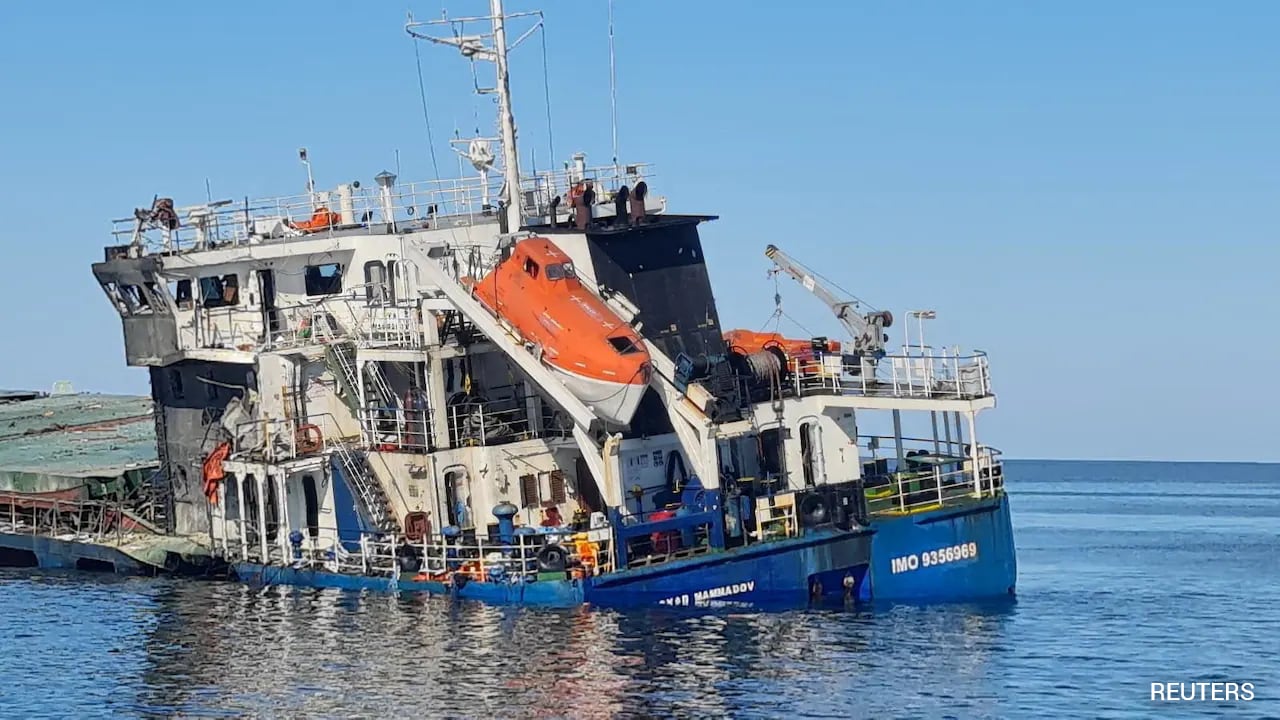
The incident involved the vessel MV Royad Mammadov. Two people lost their lives, and several others sustained injuries after a fiery drone attack. Among the crew were three Indian nationals. One of them suffered injuries and required immediate hospitalization at Constanta County Hospital in Romania.
External Affairs Minister S Jaishankar didn't mince words. He called the targeting of civilian shipping in the Black Sea and the Gulf region "completely unacceptable." India has stepped up its diplomatic engagement with both Moscow and Kyiv in recent months, but this strike underscores a brutal reality. Neutral civilian crews are paying the price for a military conflict they have nothing to do with.
The Human Cost on the Water
Let's look at what actually happened on the ground—or rather, on the water. The Black Sea remains a critical corridor for global trade, but it's increasingly turning into a high-risk maritime graveyard. When drones target commercial freighters, safety protocols designed for peacetime merchant shipping fall apart instantly.
Indian Ambassador Manoj Mohapatra spoke directly with the injured crew members receiving treatment in Romania. Hospital officials confirmed that the three Indian nationals are currently in stable health and receiving necessary medical care. But surviving the initial blast is only half the battle.
Seafarers working on international cargo routes face unprecedented risks. Shipowners and crewing agencies are struggling to find reliable ways to protect crews navigating these volatile trade routes. Insurance premiums for Black Sea transit have skyrocketed, and finding sailors willing to sail through active strike zones is becoming nearly impossible.
Why India's Stance Matters Right Now
New Delhi's reaction marks a sharp escalation in tone. For years, India maintained a delicate diplomatic balancing act regarding the Russia-Ukraine conflict. Officials emphasized dialogue, urged restraint, and avoided pointing fingers directly at specific military actions affecting infrastructure or trade.
That strategy is shifting. When Indian citizens are physically harmed by military strikes on commercial vessels, neutrality has to account for the safety of citizens abroad. Jaishankar pointed out that the United Nations remains gridlocked, leaving individual nations to push harder for diplomatic resolutions.
Ukraine's leadership also weighed in on the incident. President Volodymyr Zelenskyy noted that Azerbaijani and Indian citizens were aboard the ship when the strike occurred, highlighting the multi-national danger posed by unchecked maritime aggression. Restoring global food and cargo security requires immediate pressure on all belligerents to respect civilian maritime lanes.
What Happens Next for Merchant Seafarers
If you're tracking global logistics or maritime security, this incident highlights a glaring vulnerability in international law. Commercial vessels lack active missile defense systems. They carry civilian crews who rely on the rules of the sea to protect them. When those rules break down, tragedy follows.
Protecting maritime workers requires more than statements of condemnation. Shipping companies will likely reroute vessels or demand armed escorts through high-risk zones, driving up consumer costs worldwide. Governments with citizens working on international merchant fleets must establish faster evacuation protocols and stronger diplomatic safeguards.
The safety of global supply chains depends entirely on keeping civilian ships out of the crossfire. New Delhi drew a hard line with this latest response. Whether Moscow and other regional actors choose to respect that boundary remains the defining question for trade security in the months ahead.