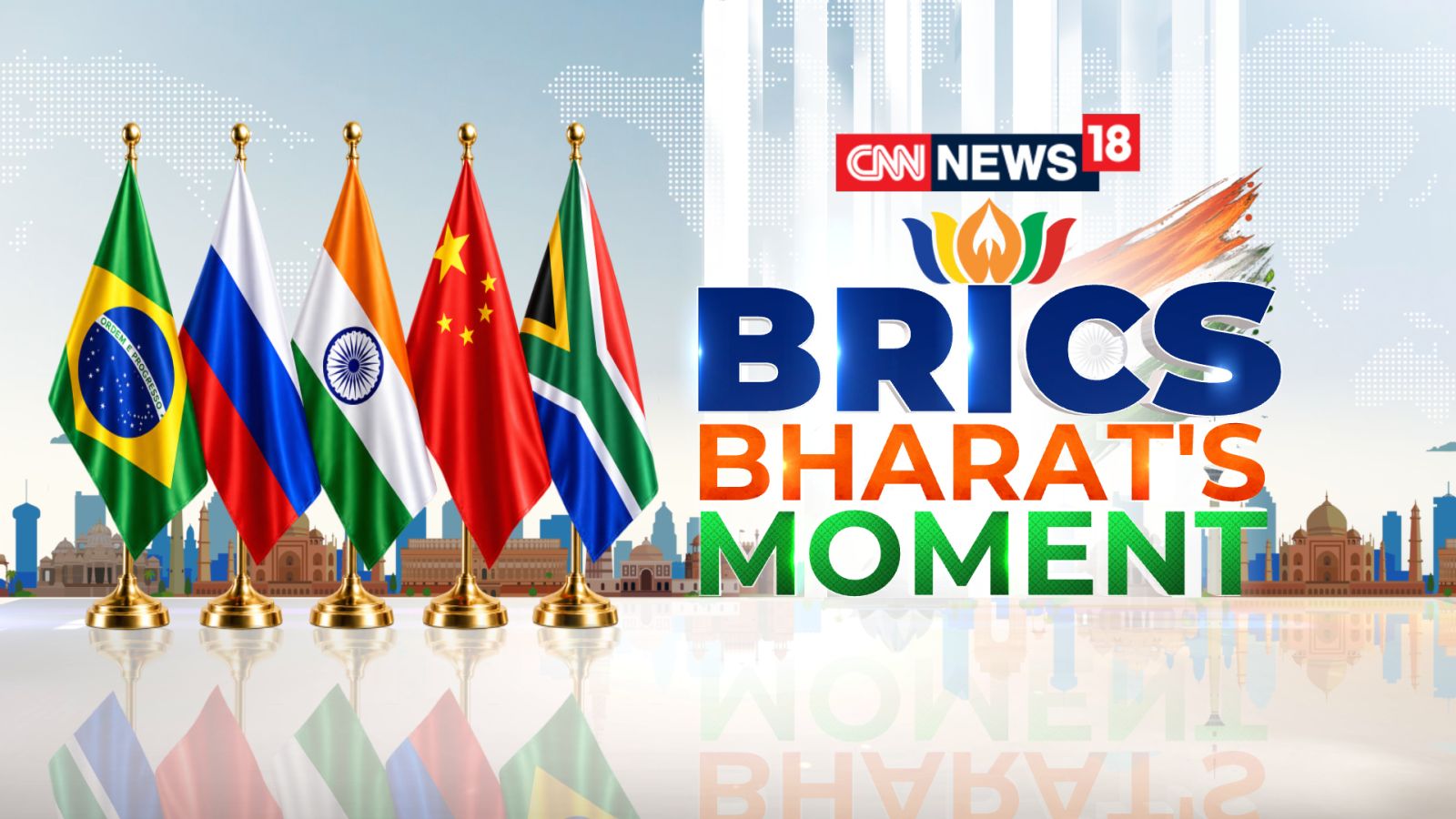
When leaders from an expanding BRICS block gathered at Bharat Mandapam in New Delhi, the talking heads immediately tried to squeeze the event into a tired Cold War script. They wanted you to see a direct, unified assault on Western economic hegemony. Reality is much messier. The 18th BRICS Summit made it clear that while emerging economies want more a voice in global governance, building a cohesive anti-Western alliance remains an uphill battle filled with contradictions.
If you look past the official handshakes, the New Delhi Declaration reveals a grouping trying to balance heavy internal rivalries with shared frustrations. Let's break down what actually happened, what the group managed to achieve, and why sweeping predictions about a new global monetary order usually miss the mark.
What BRICS Actually Agreed On in New Delhi
The 140-paragraph New Delhi Declaration, adopted under India's 2026 chairship, focuses heavily on practical economics and institutional reform rather than fiery geopolitical posturing. Prime Minister Narendra Modi stressed that the world expects concrete results instead of endless bureaucratic files, pushing for direct impact on supply chains, payment systems, and small businesses.
Members took a firm stance against unilateral protectionist trade measures and tariff spikes. Without dropping specific names, the declaration explicitly pushes back against aggressive tariff tactics and punitive carbon border adjustments that penalize developing exporters.
On financial architecture, member states backed the ongoing work of the BRICS Payment Task Force. They want better interoperability between national payment systems and higher volumes of local-currency settlement for cross-border trade. Yet, notice what didn't happen: they did not launch a common currency. Setting up a shared currency requires deep macroeconomic alignment—something nations like India, China, and Brazil are simply not ready to surrender sovereignty for.
The Counter-Terrorism Win and Border Realities
For India as the host nation, securing strong language on security was a major diplomatic priority. The New Delhi text strongly condemns the April 2025 terrorist attack in Pahalgam, Jammu and Kashmir, calling out cross-border terrorism, terror financing, and safe havens with zero tolerance.
Getting a consensus on this language in a room that includes China—which historically holds different positions on Pakistan-based actors at international forums—shows how India managed to use its convening power. On the bilateral front, Prime Minister Modi and Chinese President Xi Jinping used the sidelines of the summit to discuss stabilizing business and transport links. Military tensions along the border have cooled down, but corporate leaders in both countries still face heavy visa restrictions and bureaucratic red tape.
The Real Limitations of the Bloc
Despite the expansion bringing in players like Iran and the United Arab Emirates, BRICS is not a monolith. Expecting it to function like an Eastern NATO or a unified economic cartel ignores how these countries operate.
- Divergent Foreign Policies: Russia is bogged down by severe Western sanctions over the war in Ukraine, while countries like India maintain strategic autonomy, buying discounted oil from Moscow while deepening defense ties with Washington.
- Internal Economic Competition: China and India are fierce commercial rivals across global markets. Their economic systems and long-term strategic ambitions pull in entirely different directions.
- Lack of Enforcement Mechanisms: BRICS declarations rely purely on voluntary alignment. There are no binding legal courts or enforcement tools to punish members who break ranks.
The grouping acts more like a pressure valve for the Global South than a tightly wound governing body. It gives developing nations a platform to air grievances about outdated institutions like the UN Security Council and the International Monetary Fund, where voting shares still heavily favor post-World War II power dynamics.
Where the Group Goes From Here
If you are tracking global trade or geopolitical risk, don't buy into the hype that BRICS is about to replace the dollar or flip the global financial order upside down overnight. Instead, watch how local-currency trade corridors expand between willing partners, and monitor whether the New Development Bank can scale up infrastructure financing without hitting political roadblocks.
The New Delhi Summit proved that emerging economies can still sit at the same table, manage sharp disagreements, and push for fairer rules in trade and development. Just don't expect a neat revolution. Real diplomacy is slower, messier, and far more transactional than headlines suggest.


