For the first time in modern history, the regional governments of Scotland, Wales, and Northern Ireland are all steered by pro-independence figures. That alignment isn't just a political coincidence. It's a calculated collision course with London.
First ministers John Swinney of Scotland, Rhun ap Iorwerth of Wales, and Michelle O'Neill of Northern Ireland recently gathered in Cardiff to sign a joint memorandum. They aren't just complaining about Westminster anymore. They're demanding that the British government prepare for the dissolution of the United Kingdom.
If you think this is just empty political theater, look closer at the map. The ground beneath the UK is shifting fast, and the traditional arguments holding the union together are fraying.
What Actually Happened in Cardiff
The meeting produced a document declaring that Westminster's time is running out. The signers—representing the Scottish National Party, Plaid Cymru, and Sinn Féin—agreed to coordinate policies on energy, the economy, and future integration with the European Union.
They also asserted a fundamental right to self-determination. They stated explicitly that no British prime minister has the veto power to block a democratic mandate from any of the constituent nations.
Yet, the alliance comes with plenty of friction under the surface. Scotland has the most developed blueprint for separation, holding its historic referendum back in 2014. Wales has historically recorded lower baseline support for breaking away, though Plaid Cymru's recent electoral gains have completely rewritten Welsh political realities. Northern Ireland faces a totally unique legal framework under the Good Friday Agreement, where any move toward a united Ireland requires a border poll contingent on shifting public sentiment.
Why This Time Is Different
Previous independence pushes tended to happen in silos. When Scotland voted in 2014, Welsh nationalists were watching from the sidelines, and Northern Ireland was locked in its own delicate balance of power-sharing.
Now, the timelines overlap. Brexit fundamentally altered the arithmetic. Both Scotland and Northern Ireland voted to remain in the EU, meaning European integration has become a primary selling point for separation. Voters are asking a simple question. Why should regions tied to European markets be tethered to an isolated London economy?
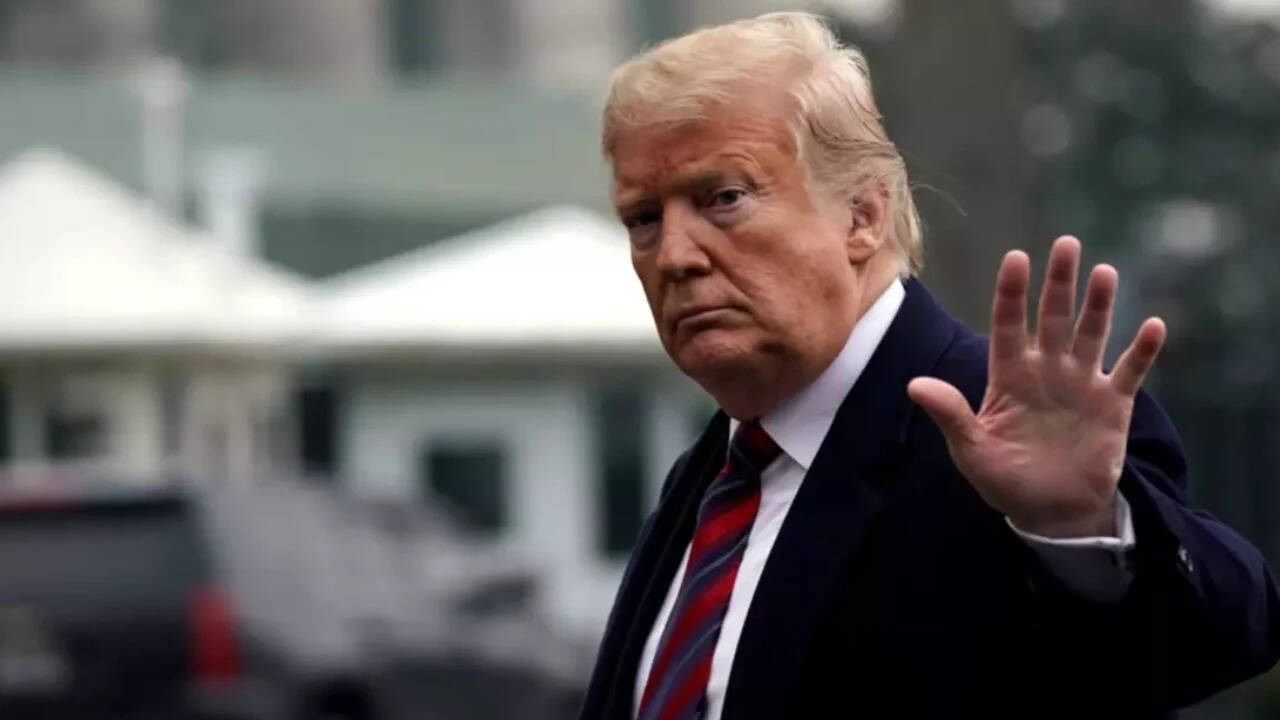
Add international pressure into the mix, and the narrative gets even messier. U.S. President Donald Trump recently threw a grenade into diplomatic protocols during a visit to Ireland, stating publicly that he would love to see Irish reunification happen sooner rather than later. While pro-British unionist politicians in Belfast and London condemned the remarks, the intervention broke decades of careful American neutrality on Northern Ireland's constitutional future.
The Obstacles Standing in Their Way
Let's be realistic. Signing a manifesto in Cardiff doesn't rewrite the law.
The UK Supreme Court already ruled that the Scottish Parliament lacks the legal authority to unilaterally schedule another independence vote. Prime Minister Andy Burnham has slammed the door shut on referendums for both Scotland and Northern Ireland, maintaining that the union serves everyone best when pooled together.
Furthermore, public opinion remains split. Polling numbers show that while Scottish independence hovers near a knife-edge split, Welsh and Northern Irish voters remain more hesitant. Wales still faces significant economic questions about fiscal self-reliance, and Northern Ireland's unionist population views any march toward a border poll as an existential threat to their identity.
What Comes Next
The strategy of the Celtic Alliance isn't immediate revolution. It's pressure. By presenting a unified front, these leaders want to normalize the idea of a post-UK future.
Expect them to push for maximum devolution of powers over taxation and energy, using every policy disagreement with London as evidence of systemic failure. Westminster can ignore the noise for now, but ignoring the synchronized momentum of three distinct national movements is a luxury no British government can afford for long.