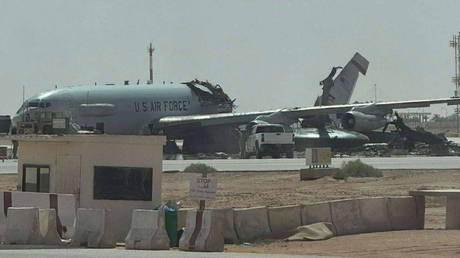
Sirens pierced the night air in Riyadh for the first time since the regional conflict flared up, signaling a dramatic shift in the security reality for the Saudi capital. Residents woke up to emergency warnings on their phones instructing them to stay indoors as reports of explosions echoed across the city.
If you thought the Kingdom was insulated from the renewed war spilling out of Yemen, Saturday morning proved you wrong.
The Escalation in Yemen Reaches the Capital
The immediate trigger for the Riyadh air raid alert isn't happening in a vacuum. Ever since fighting in neighboring Yemen reignited, the Iran-aligned Houthi movement has systematically expanded its operational scope. They've captured critical stretches of Yemen's Red Sea coast and seized control of the strategic Bab al-Mandab Strait.
With the wider Middle East war choking off traffic through the Strait of Hormuz, Saudi Arabia has relied heavily on its Red Sea maritime routes for oil exports. The Houthis responded by declaring a direct maritime blockade on Riyadh and launching a wave of cross-border drone and missile strikes targeting critical infrastructure across the Kingdom.
Until now, the heaviest hits landed in southern border cities, military bases like Khamis Mushait, and regional ports like Yanbu. But reaching Riyadh changes the calculus entirely. It strikes at the political and economic heart of the nation.
What the Emergency Alerts Actually Mean for Residents
When Saudi civil defense authorities issued the alert warning of a "hostile aerial threat," panic wasn't the immediate reaction—weariness was. People are tired of the constant regional brinkmanship. Yet, hearing two distinct explosions in the capital makes the threat concrete.
The civil defense agency lifted the alert about half an hour after the initial warning, sending an all-clear message for Riyadh and nearby Al-Kharj. But the psychological damage is already done. When air defenses are forced to intercept incoming threats over the capital, the illusion of total safety shatters.
The Wider Regional Stalemates and Oil Markets
You can't separate these drone attacks from the broader geopolitical deadlock. The international community has watched oil prices hover past the $100 threshold as shipping lanes face unprecedented disruptions. Proposed diplomatic talks between Gulf states and Iran over regional security have repeatedly stalled or faced postponement, with Tehran accusing Riyadh of using Yemen as a diplomatic shield.
Meanwhile, Washington faces mounting pressure. Reports indicate that top officials have rejected certain direct intervention requests while balancing complex military packages, such as F-35 sales, against regional security risks. The Houthis, for their part, have signaled that their military operations will only scale upward as long as Saudi-backed coalition airstrikes continue pounding positions in Yemen.
What Happens Next
The reality on the ground is grim. Over 500 people have died since the renewed fighting broke out, and thousands of displaced Yemenis continue to flee toward Aden. For Saudi Arabia, the message from the skies above Riyadh is simple: containment is failing.
If you're watching the region, keep a close eye on Red Sea shipping security and the frequency of civil defense alerts in central provinces. The conflict has officially moved from the periphery to the doorstep. Protect your assets, monitor local civil defense channels closely, and don't expect a quick diplomatic off-ramp while both sides are locked into escalating retaliatory cycles.