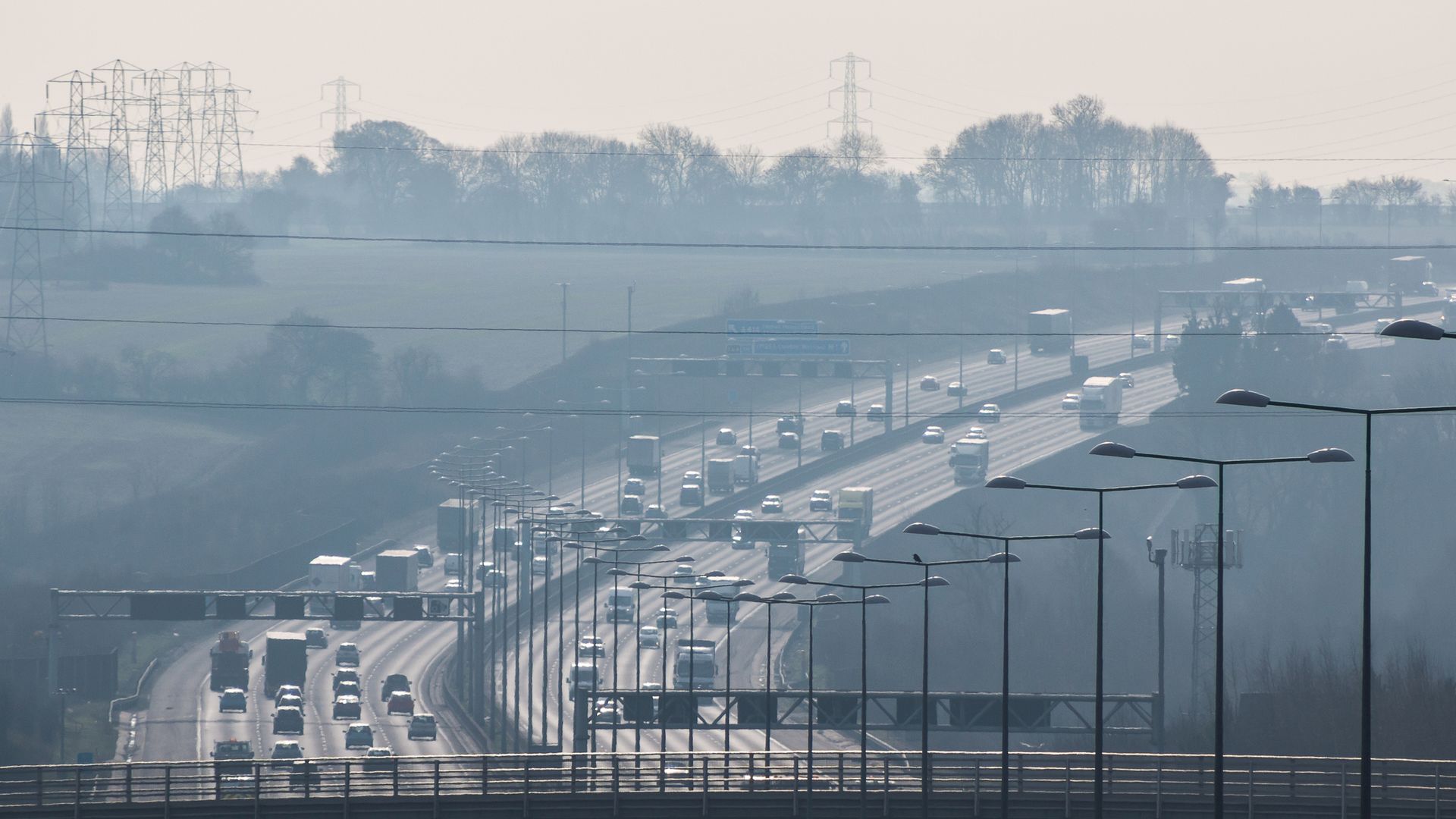
You step outside, take a deep breath, and assume the air is fine. Most of the time, you cannot see the microscopic hazards floating right in front of you. That invisibility cloak makes toxic air dangerous.
The UK government just rolled out a free national text and email alert system designed to warn citizens the moment local air pollution spikes. If you live with asthma, cardiovascular disease, or simply want to stop breathing chemical soup on your morning commute, this launch matters.
Here is what you need to know about the system, how it works, and why your lungs have been flying blind for too long.
How the New Air Pollution Warning System Works
For years, tracking air quality meant digging through specialized meteorological websites or checking static weather apps that buried pollution indexes under pollen counts. This new opt-in service changes the friction entirely.
You register specific postcodes—like your home address, your kids' school, or your office—via the official Gov.UK portal. When monitoring stations detect that air quality is turning sour, a direct message lands on your phone or in your inbox.
The system tracks five major pollutants:
- Particulate matter (PM2.5 and PM10)
- Nitrogen dioxide
- Ozone
- Sulphur dioxide
Environment Secretary Dame Angela Eagle noted that the initiative gives vulnerable populations a fighting chance to take practical steps before symptoms flare up. Instead of reacting to a sudden chest tightness outdoors, you get an early heads-up.
Why This Matters More Than You Think
We obsess over diet, fitness trackers, and clean water, yet we inhale roughly eleven thousand liters of air every single day. Most people do not realize that pollution operates on a hyper-local scale. One street can have double the nitrogen dioxide of a parallel road just two blocks away, driven entirely by traffic canyoning and idling delivery vans.
England's Chief Medical Officer, Professor Sir Chris Whitty, put it bluntly. Air pollution is a major, solvable health crisis that tracks a person from poor pregnancy outcomes all the way to childhood lung developmental issues, strokes, and heart disease.
Children are especially vulnerable because their respiratory systems are still developing, and they breathe faster relative to their body weight than adults do. Pregnant women and older adults also face disproportionate risks. When air quality drops into moderate or high bands, staying indoors or changing your exercise route isn't overreacting. It is basic biological self-preservation.
Practical Steps to Lower Your Exposure
Getting a text message warning is useless unless you know what to do next. When an alert pops up on your screen, you need an action plan.
Do not just keep running along a heavy arterial road because it is your usual route. Shift your jog to a local park or residential side street where traffic density drops. If you commute by bike, a minor shift of two streets over can slash your direct inhalation of exhaust fumes by half.
Indoor air matters too. Many people seal their houses tightly during pollution spikes, but indoor pollutants accumulate quickly if you are cooking or using cleaning chemicals. Balance sealing your home with smart ventilation when outdoor levels drop.
Head over to the Gov.UK website right now, plug in your vital postcodes, and stop treating the air you breathe as an afterthought. Your lungs will thank you.