Netflix thought it had struck gold. Instead, it built a digital ghost town.
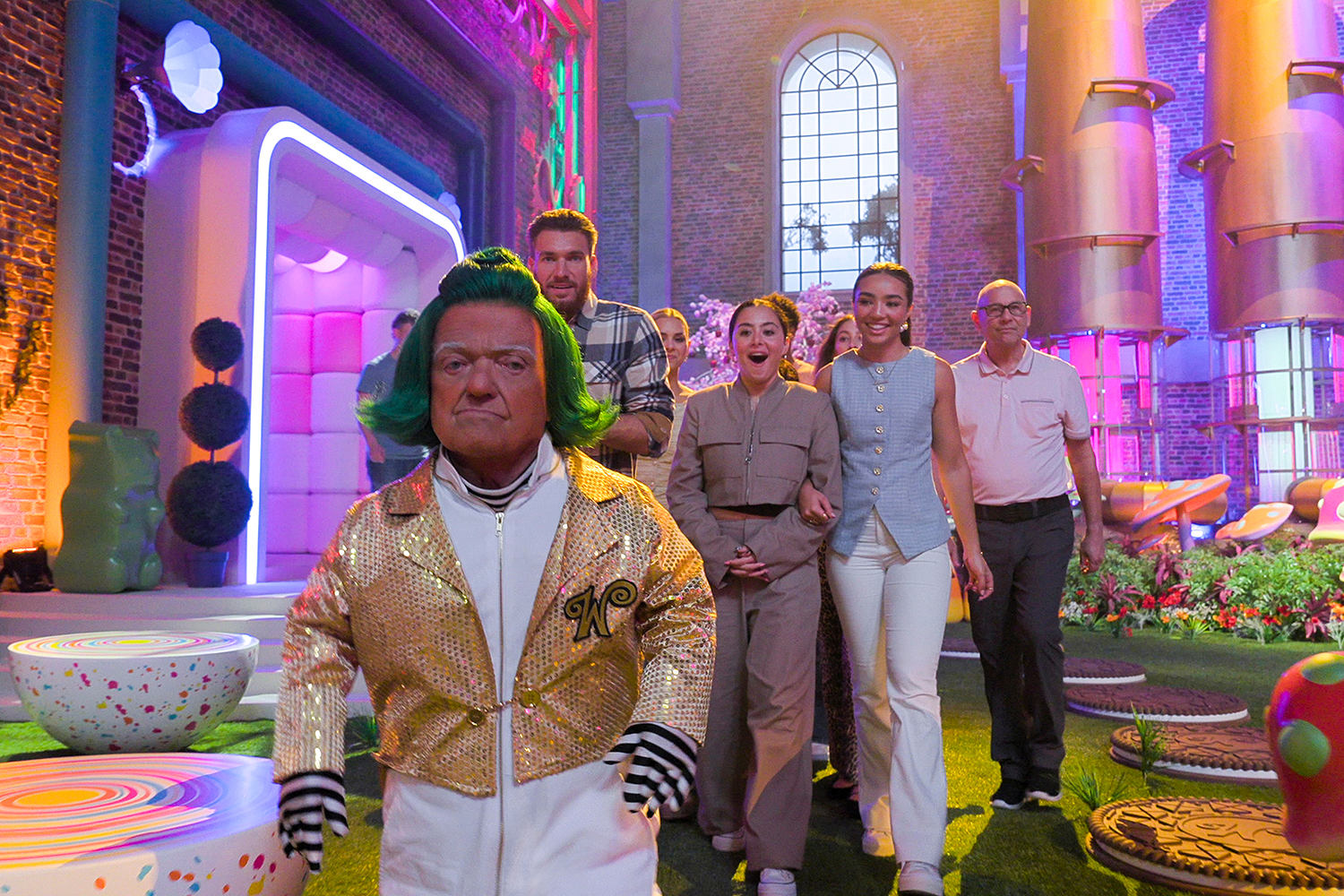
The streaming giant launched its reality competition series Wonka’s The Golden Ticket, and the internet immediately recoiled. The gimmick centers around a digital recreation of Gene Wilder's iconic voice, piped in through overhead intercoms and hidden speakers to guide contestants through physical and ethical hurdles. Wilder passed away in 2016, but thanks to voice-cloning tech and permission from his estate, his spectral cadence now narrates corporate-mandated game show slop.
It is weird. It is flat. And it signals a depressing direction for pop culture.
The Mechanics of a Digital Resurrection
If you watch the show, the execution feels jarring. The synthetic voice bounces between sounding vaguely like Wilder and entirely synthetic, missing the organic timing and warmth that made his 1971 performance legendary. Critics have labeled the choice ghoulish, and frankly, they are right.
Netflix used audio tech to synthesize dialogue for the unseen host, framing him as a whimsical overseer watching from an office. But Turing-test-adjacent performances don't carry emotional weight. They carry uncanny valley discomfort.
When actors die, their performances should remain artifacts of their actual labor. Turning a legendary comedic actor into an automated text-to-speech script reader crosses a line from homage into exploitation, estate permission or not.
Why the Show Misses the Point of Roald Dahl
The underlying problem isn't just the synthetic voice. It is the format itself. Roald Dahl’s original story and the 1971 film relied on a dark, satirical edge about human greed. Greedy children fell into chocolate pipes and turned into blueberries because of their own glaring flaws.
Wonka’s The Golden Ticket swaps out narrative bite for generic reality TV tropes. Contestants cry on cue, pull exaggerated reaction faces for the cameras, and navigate overproduced obstacles that feel lifted straight from Squid Game: The Challenge rather than a magical factory.
You get a glossy warehouse filled with candy aesthetics, but none of the anarchic spirit. Adding an artificial intelligence layer on top of standard reality television formatting doesn't make it innovative. It just makes it cynical.
The Estate Approval Trap
Defenders of the show always point to one specific fact: the Gene Wilder estate signed off on it. Karen B. Wilder, his widow, defended the project by stating it celebrates the warmth and imagination he brought to the screen.
We need to talk honestly about estate sign-offs. Relatives inheriting likeness rights face enormous financial incentives to monetize intellectual property in perpetuity. Saying yes to a corporate check doesn't mean the public has to pretend the output is good.
Gene Wilder famously expressed disdain for unnecessary remakes during his lifetime. Imagining him enthusiastically signing off on an AI voice model for an algorithmic Netflix obstacle course requires a massive stretch of the imagination.
What This Means for the Future of Entertainment
We are entering an era where studios view dead talent as recurring cast members who never demand raises or object to scripts. If this format succeeds, expect a wave of synthetic revivals. Studios will mine old archives to clone voices for projects the original creators would never touch.
The backlash to the show proves audiences still value authenticity. When tech shortcuts replace human craft, people notice. They reject it.
Skip the algorithm. Go watch the 1971 movie instead.