Nature doesn't care about tourist seasons or geopolitical borders. When the Therang River in Nepal's Gorkha district suddenly swelled up, it didn't just swallow four residential houses and a vital suspension bridge; it exposed the brutal fragility of mountain infrastructure during intense weather events. You see reports of natural disasters every single day, but the reality on the ground in Nepal right now is an entirely different kind of struggle.
The Reality of the Gorkha Floods and Infrastructure Collapse
The sudden flash flood in Gorkha caught many off guard, sweeping away structures that locals relied on daily. While prompt evacuation prevented immediate casualties, the psychological and economic toll is staggering. The Budhigandaki River basin remains on high alert as unpredictable water levels threaten surrounding communities.
Let's look at the broader picture. Total infrastructure damage across the affected regions has crossed massive financial thresholds, with estimates pointing toward roughly 400 billion Nepali rupees in losses. Recovery isn't just about clearing debris. It's about rebuilding entire communities from scratch while facing harsh geographical realities.
Why Tourism is Bleeding and the Nepal Calling Gamble
September through November marks the peak tourism window for Nepal. Trekking paths, mountain lodges, and cultural hotspots usually overflow with international travelers. Not this year. Images of destruction have triggered a wave of cancellations across hotels and travel agencies.
To combat this freefall, authorities launched the "Nepal Calling" campaign. The message is straightforward: Kathmandu, Pokhara, and Chitwan remain open and safe for visitors. Yet, convincing hesitant tourists after widespread reports of missing thousands and thousands of recovered bodies is an uphill battle. When people picture a flooded mountain nation, they cancel trips entirely instead of checking regional safety updates.
Inside the Chilime Tunnel Rescue Operation
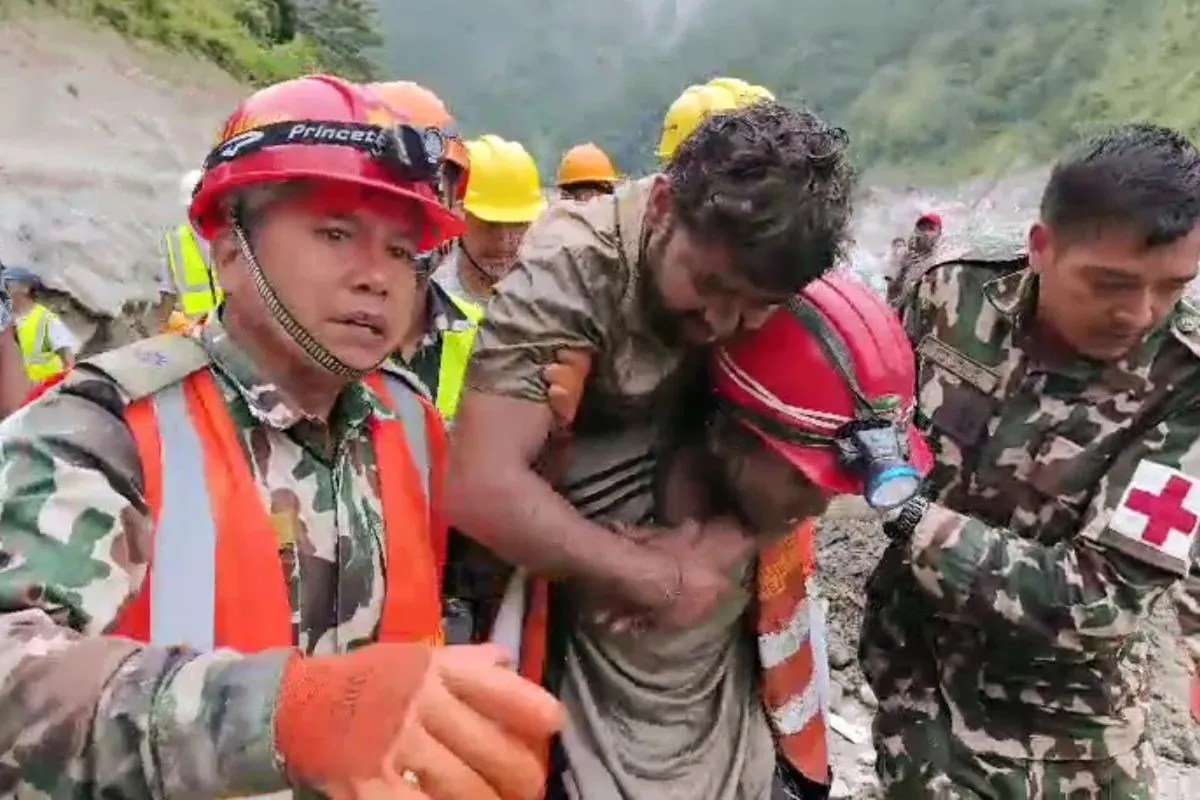
Getting technical help deep into blocked terrain is an absolute nightmare. At the Chilime Tunnel, joint rescue teams from India and Nepal are locked in a relentless battle against thick mud, trapped water, and heavy debris. Ambassador Naveen Srivastava noted just how difficult the access routes are.
Rescuers managed to clear nearly 950 meters of blocked pathways and establish rope connectivity starting from Syabrubesi. Heavy machinery cannot simply drive into a disaster zone like this. Crews have to clear paths inch by inch just to bring in proper equipment. Meanwhile, India has stepped up support by dispatching dozens of personnel and tons of essential relief materials via multiple aircraft to keep rescue operations moving forward.
The Ugly Face of Online Xenophobia
Disasters bring out the best in humanity, but they also drag out the worst of the internet. Following reports of the catastrophe, social media platforms saw vile, racially charged comments targeting Indian citizens and local victims alike.
This behavior crossed international condemnation lines. Singapore's Home Affairs Minister K. Shanmugam publicly slammed these racist outbursts, calling them shameful and completely unacceptable. Law enforcement agencies started tracking down offensive posters. When human lives are lost and families are desperately searching for missing loved ones, turning a humanitarian tragedy into fuel for online xenophobia shows a complete lack of basic empathy.
What Recovery Actually Requires Right Now
Fixing a nation hit by compounding crises takes more than temporary patches. Nepal needs immediate funding running into billions of rupees just to stabilize critical transport routes and prevent further isolation of mountain hamlets. International rescue teams from the UAE and India are doing heavy lifting in places like Rasuwa, but long-term economic survival depends on restoring traveler confidence safely.
Keep a close eye on verified local updates before making assumptions about travel plans or regional safety. Support legitimate relief funds rather than feeding into social media panic. Real recovery happens through steady, boots-on-the-ground labor, not viral internet commentary.