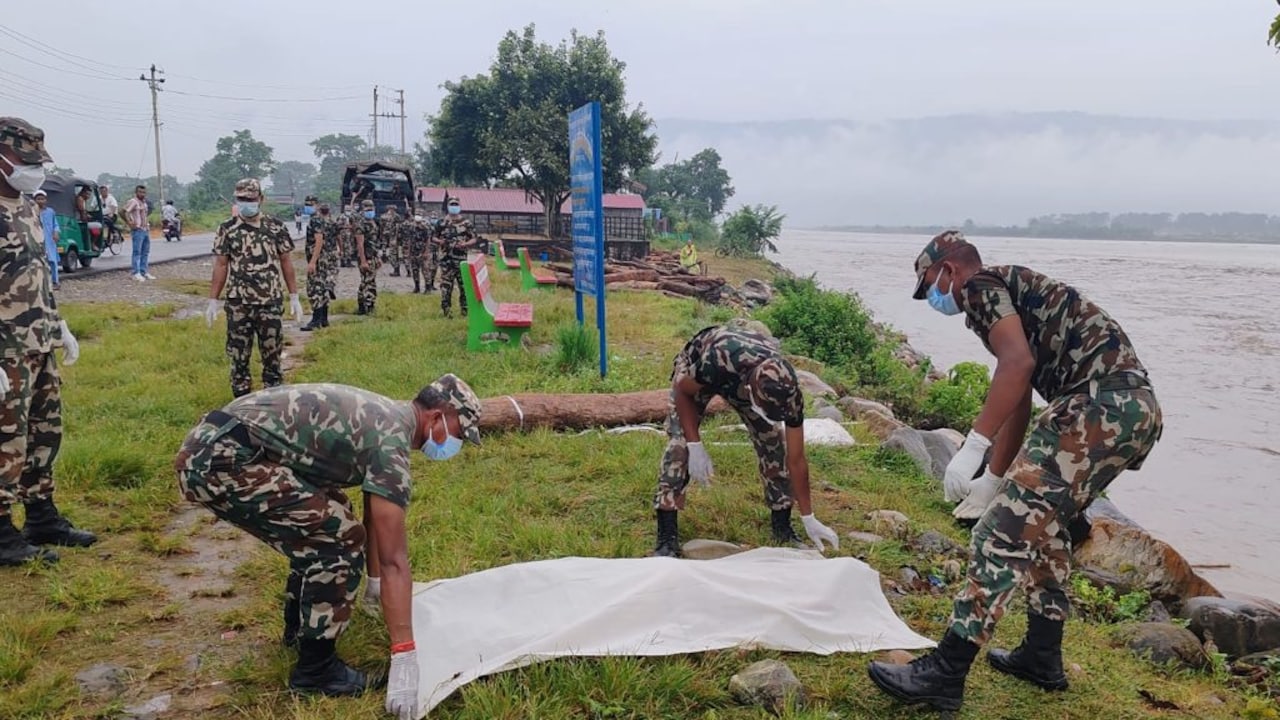
Tragedy leaves behind logistical nightmares that textbooks never prepare you for. When a wall of mud and water tore through Nepal following a massive glacial disaster, hundreds of lives vanished in minutes. Hospitals filled up instantly. Morgues ran out of power, space, and air. Officials faced a brutal, heartbreaking choice: let the dead decompose entirely in the open heat or bury them without names.
They chose burial. But this is not a mass grave situation where people are tossed in and forgotten. It’s a meticulous, high-stakes forensic operation designed to bring answers to grieving families months or years down the line.
If you are looking for missing loved ones or trying to understand how a country manages a human disaster of this scale, the reality on the ground is grim, orderly, and entirely dependent on modern science.
The Breaking Point in Chitwan
Disaster zones run out of capacity faster than anyone admits. In Chitwan, a southern district bordering India that took the absolute brunt of the casualty count with over two hundred recovered bodies, temporary cooling centers failed. Makeshift ice solutions stopped working. Health experts warned that rotting remains would trigger secondary outbreaks of disease across communities already shattered by displacement.
You cannot keep bodies indefinitely in tropical heat without industrial morgue infrastructure. The local administration had zero alternatives left. Burial became a public health necessity.
Yet, public health mandates do not mean abandoning dignity. The government refused to let victims turn into anonymous statistics.
How Forensic Teams Are Mapping Every Single Burial
Burying an unidentified body sounds permanent, but authorities designed a strict protocol to ensure it is temporary. Before any casket goes into the earth, forensic teams execute a rigid checklist.
Every single body undergoes DNA profiling. Technicians extract samples and log them into secure national health databases. They don't just dump bodies into a trench either. The burial layout is engineered for future exhumation.
Pits are dug precisely 1.5 meters deep. Workers leave strict 40-centimeter gaps between individual burial bags. This spacing prevents cross-contamination of biological material and ensures that when a DNA match finally happens, excavators can pull out one specific person without disturbing anyone else.
Every grave gets a concrete platform and a permanent signboard displaying a unique identification number tied to precise geographic coordinates. Officials are even geo-tagging the burial plots and filming the entire process.
What Families Need to Do Right Now
If you have relatives missing in the wake of the Nepal flash floods, waiting for news feels like torture. The system requires active participation from families to close the loop.
You cannot simply walk into a cemetery and look for a headstone. The process works through biological verification:
- Visit designated regional hospitals: You must submit your own DNA sample at approved collection centers set up across the country.
- Monitor official police databases: The Nepal Police have uploaded tracking information, reference numbers, and specific inquiry channels to an official digital portal.
- Wait for the cross-match: Health laboratories compare family DNA with the profiles harvested before burial.
- Authorize exhumation: Once a positive match occurs, authorities link the genetic profile to the specific burial number, track the geographic coordinate, and exhume the body for a proper traditional funeral.
Thousands of people remain missing, including foreign nationals caught in the disaster zone. The scale of the search means progress is slow, frustrating, and emotionally draining.
Disasters strip away infrastructure, but science and administrative discipline provide the only bridge left between a missing person and a final goodbye. If you or someone you know is searching for answers in Nepal, check the official police portal immediately and register your DNA sample at the nearest designated health facility to start the matching process.