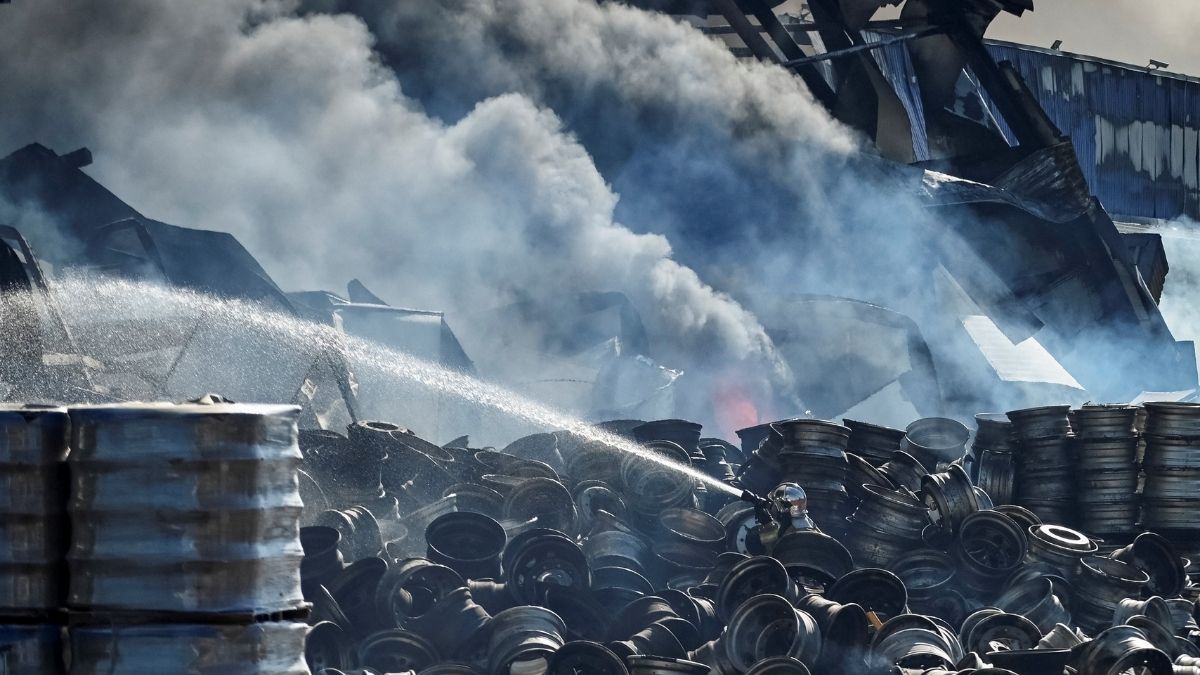
Rescue helicopters sat grounded on the tarmac as the search for hundreds of missing people entered its fourth brutal day along the Nepal-China border. Weather conditions turned hostile, forcing military crews to halt air operations while teams on the ground fought against thick, suffocating mud. This disaster didn't happen overnight. It is the grim result of a high-altitude glacial lake outburst flood that struck late August 2026, catching communities and infrastructure off guard.
Nearly 600 people are confirmed dead, and close to 2,500 remain missing across the rugged Himalayan terrain. When an ice-rock avalanche triggers a catastrophic glacial lake outburst, standard emergency protocols break down immediately. You can't simply fly a chopper into a gorge choked with four to five feet of heavy silt. Ground crews have to rely on ropes, baskets, and sheer physical endurance to pull survivors from the wreckage.
The Scale of the Crisis on Both Sides
The devastation spans across borders, hitting regions like the Upper Trishuli-1 Hydropower Project in Nepal's Rasuwa district and the heavily damaged Gyirong border crossing on the Chinese side. Chinese state media and local authorities confirmed multiple fatalities at the border checkpoint, while thousands of people have been safely evacuated or rescued overall.
Yet, numbers only tell half the story. Hundreds of foreigners, including workers, trekkers, and pilgrims visiting sacred Himalayan peaks, were caught in the path of destruction. Communication lines snapped instantly. Search parties had to resort to drone deployments and foot patrols to locate survivors trapped in mud-filled construction tunnels.
Why Himalayan Infrastructure Is Failing Us
We keep building massive hydro projects and tourist outposts in fragile mountain corridors without accounting for accelerating climate shifts. Fresh glacial lakes keep forming high up in the mountains after initial avalanches. Even as water levels in some newly formed lakes drop due to controlled breaching or natural drainage, the underlying threat remains constant.
Engineers and policymakers talk about technical assistance and better early warning systems, but the reality on the ground is stark. When a flash flood hits a narrow mountain pass, minutes matter. Evacuation routes get wiped out before warnings can even be issued.
What Needs to Happen Now
Governments across South Asia need to stop treating these events as isolated natural anomalies. Cross-border water monitoring between Nepal and China must become transparent and real-time. If you live or work near these vulnerable river basins, relying on traditional seasonal forecasts is no longer safe.
Authorities must enforce stricter zoning laws around high-risk glacial valleys immediately. Emergency response teams need localized, drone-based survival kits positioned directly in remote outposts rather than waiting hours for regional military dispatch. The Himalayas are changing fast. Our disaster response strategy needs to catch up before the next catastrophe strikes.