If you live in Washington state right now, you’re feeling the heat. It’s not just the temperature, which has been pushing us to the brink. It’s the constant, gnawing fear that a spark could turn into a disaster before you even have time to pack your bags.
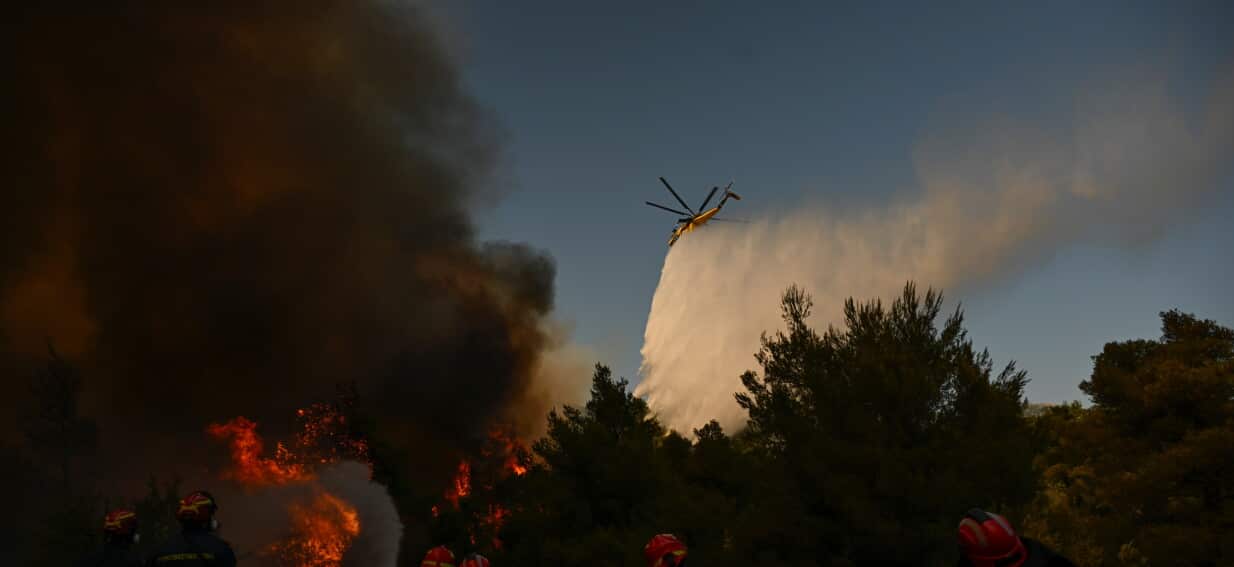
As of early August 2026, we are in the middle of a massive wildfire crisis. Governor Bob Ferguson has declared a statewide emergency, and for good reason. We aren't just talking about a few small brush fires here. We’re looking at over 600 structures destroyed, roughly 60,000 people forced to evacuate in the Spokane area, and hundreds of thousands of acres scorched across the state.
You’ve likely seen the news clips showing chimneys standing alone in fields of ash. That’s the reality for your neighbors right now. If you’re asking yourself how we got here or what you should do next, you aren't alone.
The Current State of Affairs
This isn't a normal summer. Commissioner of Public Lands Dave Upthegrove hasn’t minced words: this is one of our busiest wildfire years on record, and we’re only just getting into August.
The primary problem is a lethal mix of drought-stressed timber, tinder-dry grass, and erratic winds. When those winds pick up, they act like a bellows for the fires. In Spokane, the canyons and river valleys are essentially channeling these gusts, pushing flames through neighborhoods at a terrifying speed.
The Spokane Complex fires—specifically the Old Trails, Autumn Lane, and Fairview fires—have captured the most attention because of the sheer number of homes they’ve claimed. But don’t think for a second that this is limited to one area. We have over a dozen active fires burning across the state. The Kaiser Canyon Fire in Okanogan County alone has burned over 130,000 acres.
Why It Feels Different This Time
I’ve talked to people who have lived here for decades, and they all say the same thing: the speed of these fires is unnerving. We used to have more time to react. Now, the window between a spark and a Level 3 "Go Now" evacuation order is shrinking.
One thing people often get wrong is thinking that if they don’t live in the forest, they’re safe. The fires in the Spokane area are proving that myth dead wrong. These fires are moving through wildland-urban interfaces where open grass meets suburban developments. You don't need to be surrounded by old-growth timber to be in the path of a wall of fire.
Furthermore, utility companies like Avista are forced into emergency power shut-offs to prevent their lines from sparking new blazes. That leaves thousands of people in the dark while they’re trying to navigate evacuation routes and monitor emergency alerts. It’s a cascading failure that makes everything significantly harder.
Taking Action Before It’s Too Late
If you’re sitting at home wondering if you’re ready, you probably aren't. Being prepared isn't just about having a go-bag by the door—though you should definitely have that.
Get Your Go-Bag Ready
Most people forget the basics. It’s not just about clothes. You need:
- Important documents: Originals or copies of deeds, insurance, medical records, and passports.
- Medications: Keep a two-week supply if you can.
- Communication: A battery-powered radio is non-negotiable when the cell towers get congested or the power goes out.
- Connectivity: A portable power bank for your phone.
Know Your Exit
Don't wait for the siren to figure out where you’re going. Practice your family's escape routes. Do you have two ways out of your neighborhood? What if the main road is blocked? If you’re in a rural area, identify secondary dirt roads or local emergency muster points.
Manage Your Surroundings
Look at your own property. If you have dead brush, dry grass, or debris near your siding, clear it. It sounds simple, but I’ve seen enough properties saved because the homeowner took an hour to clear the fuel from around the foundation. Every bit of mitigation helps firefighters defend your home if they make it to your street.
Stay Informed
Do not rely on one source of information. Use the Washington DNR Wildfire Portal to keep tabs on fires in your area. Follow your local county emergency management on social media. They usually push updates faster than the national news networks.
A Tough Reality
We are going to be living with this smoke and this threat for the foreseeable future. The weather patterns aren't looking to cool down anytime soon, and the dry conditions mean any new ignition is a potential disaster.
If you are currently in an area under an evacuation order, just leave. Please. The firefighters are stretched thin, and they shouldn't have to risk their lives trying to convince you to go. We’ve already seen enough loss this week.
Stay alert, watch the wind, and keep your gear packed. This isn't the time to hope for the best; it’s the time to prepare for the worst.