Names matter. Sometimes, a single syllable carries the heavy weight of centuries of outside control, mispronunciation, and erased history.
The Pacific island nation widely known as Nauru has officially dropped that colonial spelling. It is now the Republic of Naoero. President David Adeang didn't just push a button for bureaucratic fun; he corrected an old linguistic error forced upon locals by foreign tongues that simply couldn't manage the native vowels.
If you are wondering why this tiny nation made headlines, let's break down what actually happened behind the scenes, why the initial voting plans changed, and what this shift means for a country facing immense environmental pressures.
The Real Story Behind the Naoero Rename
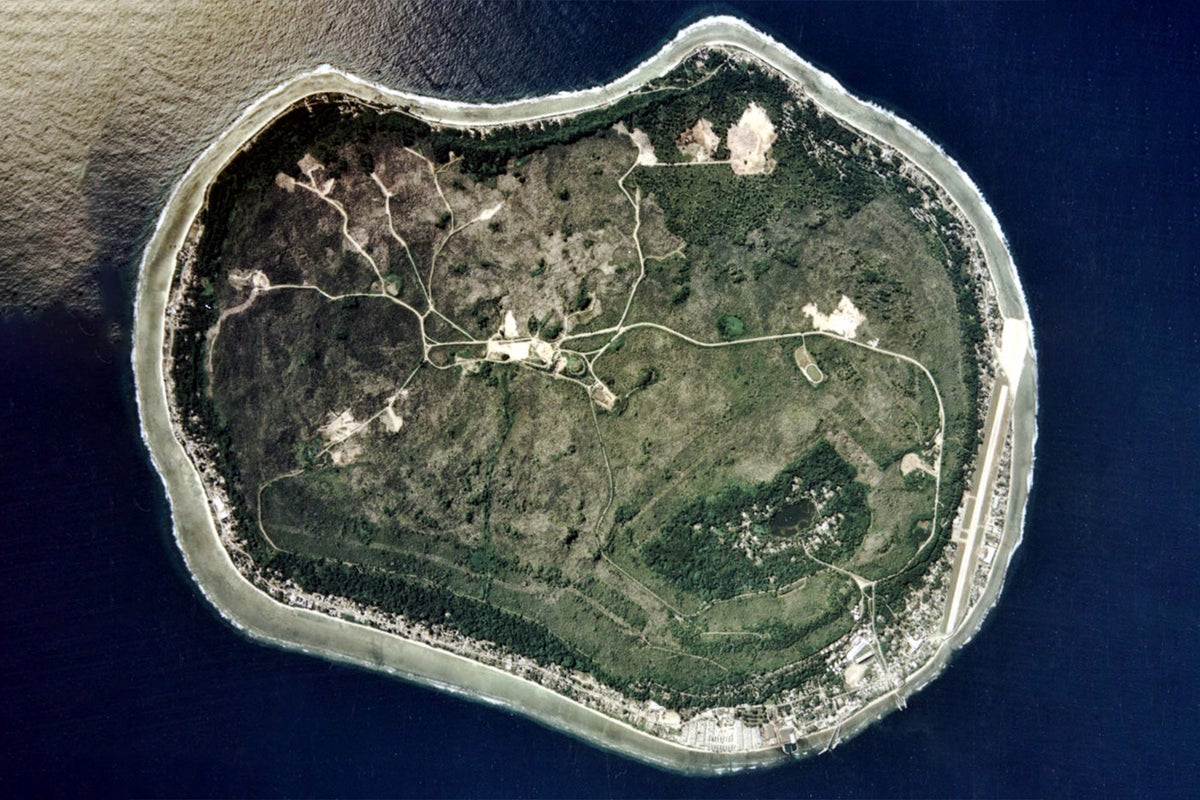
For decades, the world knew this eight-square-mile Micronesian dot as Nauru. Tourists said "Now-roo." Locals, however, always knew their home as Naoero.
European colonisers, traders, and administrators altered the spelling because it was inconvenient for foreign speakers. That compromise stuck around long after independence. When the parliament approved a constitutional amendment to fix the name, everyone expected a messy national referendum to follow.
That vote never happened. President Adeang pulled the plug on the referendum because, as he put it, Naoero isn't a new concept trying to win approval. It already sits on the national coat of arms. It lives in daily community speech. Asking citizens to vote on a name they already use every single day made zero sense.
What Changes Right Now
International organizations like the United Nations, along with foreign ministries from Australia to China, have updated their records.
- The official country code shifts from NRU to NRO.
- Citizens are now formally referred to as dei-Naoero instead of Nauruan.
- The pronunciation shifts closer to the traditional local cadence ("Now-ero").
This isn't an isolated trend. Nations across the globe are steadily reclaiming indigenous names. Türkiye dropped Turkey. Eswatini replaced Swaziland. Islands and territories across the Pacific are staring down their colonial map markers and asking a hard question: why should foreign tongue convenience dictate our national identity?
Beyond the Headline
Most mainstream news outlets love to mash this story together with sensationalized narratives about the island vanishing into the ocean. Yes, climate change and sea-level rise present brutal, existential threats to low-lying Pacific nations. Phosphate mining historically gutted the island's interior, leaving behind a scarred landscape that forced difficult economic reckonings.
Yet framing this renaming purely as a desperate act of a disappearing state misses the point entirely. This is an assertive reclamation of heritage.
The local language, dorerin Naoero, faces heavy preservation hurdles. By cementing the true name into the constitution, the government is drawing a hard line in the sand. They are anchoring their future identity in ancestral roots while navigating a rapidly changing physical environment.
Moving Forward
If you are updating maps, databases, or travel guides, stop using the old colonial spelling. Adjust your systems to recognize the Republic of Naoero. Watch how other Pacific nations follow suit as regional decolonization efforts pick up speed.