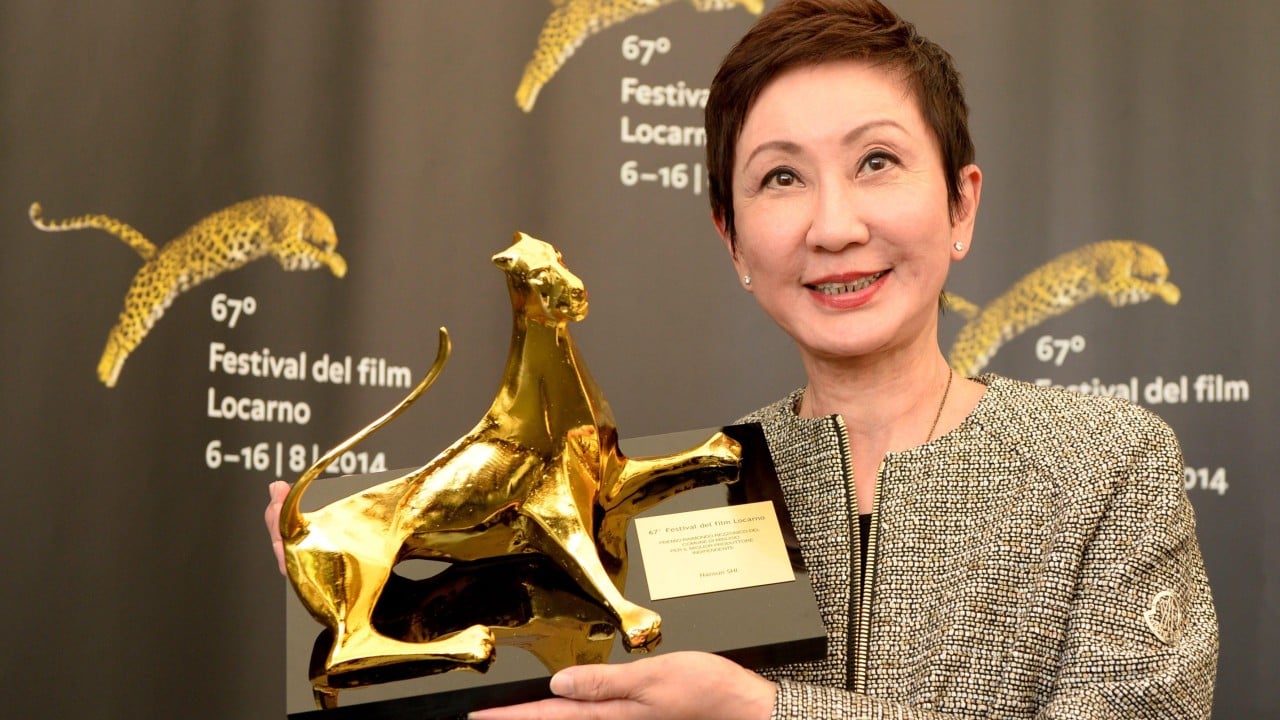
Hong Kong cinema didn’t become a global powerhouse by accident. Behind the stylized gun-fu of John Woo and the wild fantasy epics of Tsui Hark stood a woman who basically managed the chaos. That woman was Nansun Shi.
News broke on July 13, 2026, that the legendary "golden producer" died at the Hong Kong Sanatorium & Hospital at age 75. Her production company, Film Workshop, confirmed she passed away peacefully at 8:51 PM following a battle with an immune system disorder since 2022 and recent complications from a bacterial infection.
Most casual movie fans don't know her name. They know the directors she backed or the actors she launched. But without Shi, the golden age of Hong Kong film simply wouldn’t have happened. She was the strategic brain that turned local creative madness into a globally recognized industry.
The Housekeeper of Cinema City
Before she was an international powerhouse, Shi entered the film industry in 1981 by joining Cinema City as executive director. The studio was famous for its "Seven-Person Team," a collection of brilliant, erratic creative minds. They called Shi the "Housekeeper." It sounds domestic, but honestly, it was the most powerful role in the building.
Creative people are great at spending money and missing deadlines. Shi was the one who figured out how to balance the budget, buy the film stock, and market the final product. She took a disorganized group of filmmakers and forced them to run like a real business. During this period, she steered massive local hits like Aces Go Places II and Merry Christmas.
She didn't just stay in the office either. She took Hong Kong movies to the world.
Selling Hong Kong to the West
In 1984, she co-founded Film Workshop with her then-husband, Tsui Hark. This is where Hong Kong cinema truly broke out globally. If Tsui Hark was the visionary madman, Shi was the architect who financed the dreams. Together, they gave us genre-defining masterpieces like A Better Tomorrow, A Chinese Ghost Story, and Once Upon a Time in China.
Shi was fluent in multiple languages and held a degree in Computer Statistics from the Polytechnic of North London. That international background set her apart from other local producers. She understood how Western film markets operated. She traveled to international film festivals, set up distribution deals, and forced global executives to take Asian cinema seriously.
Look at her resume later in life. She produced Infernal Affairs in 2002 while working as Vice President at Media Asia. That film was so good Martin Scorsese remade it as The Departed. She served as Chairman of Bona Film Group, guiding films like A Simple Life and Overheard 2. She even joined the Producers Branch of the Academy of Motion Picture Arts and Sciences in 2017.
The Blueprint for Modern Producers
A lot of modern producers think their job is just securing a check and putting their name on the poster. Shi proved that a real producer is involved in every single layer of the process.
- Structure the Chaos: She took artistic concepts and built administrative structures around them so they could actually get filmed.
- Think Globally from Day One: She never viewed Hong Kong as her only audience. She built international distribution networks before global streaming platforms even existed.
- Maintain Professional Alliances: Even after her divorce from Tsui Hark, the two remained close professional partners. They prioritized the work and won a Lifetime Achievement Award together at the Hong Kong Film Awards.
If you want to study how to build an independent film industry from scratch, stop looking at Hollywood studios. Look at what Nansun Shi did in Hong Kong during the 1980s and 1990s. She proved that business acumen doesn't crush art—it protects it and spreads it across the globe.
To understand her legacy, go watch A Better Tomorrow or Infernal Affairs tonight. Pay attention to the pacing, the scale, and the sheer ambition. Then remember the woman who made sure those cameras actually had film in them.