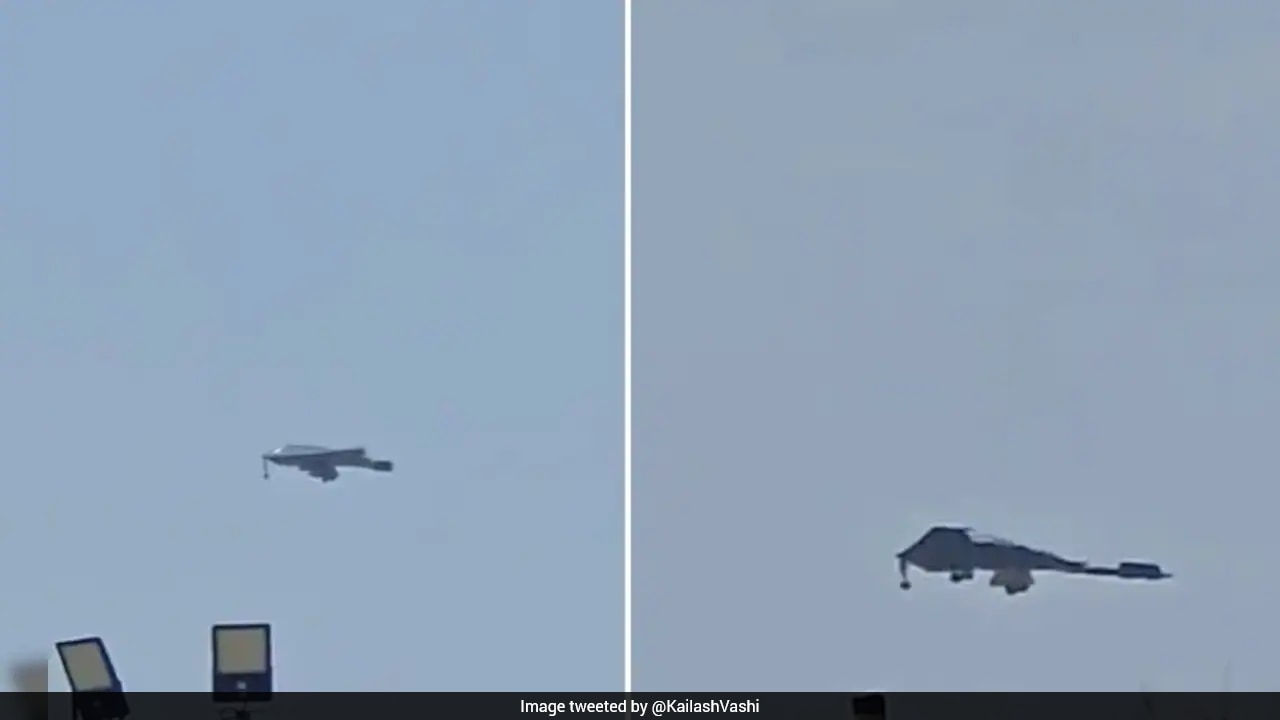
A blurry video popped up online showing a large, gray shape cutting through the Kansas sky near McConnell Air Force Base, and the internet immediately lost its mind. Whenever an unidentified military aircraft gets caught on camera near a major US installation, aviation enthusiasts and defense watchers jump straight to classified hardware theories. This time, the rumor mill zeroed in on the B-21 Raider, the Pentagon's newest stealth bomber.
People love a good military conspiracy. But what are we actually looking at in these clips, and why do these sightings happen right out in the open? Let's break down the reality behind the hype, the aircraft involved, and why military watchers are so divided.
The McConnell Air Force Base Sighting
The footage first circulated widely on platforms like YouTube, capturing what appears to be a heavy, unusual silhouette flying close to McConnell Air Force Base in Wichita. Because the base routinely handles heavy tanker aircraft like the KC-135 Stratotanker, seeing military planes is a daily routine for locals. This particular shape looked different. It lacked traditional tail structures, pointing observers toward a flying wing design.
As soon as the clips spread, aviation circles started throwing around high-end hardware names. The B-21 Raider became the frontrunner in online debates, largely because the Air Force is actively expanding flight testing for its next-generation fleet. Other internet sleuths suggested it could be an RQ-170 Sentinel or even the elusive, unacknowledged RQ-180 stealth drone.
Why Everyone Thinks It Is the B-21 Raider
The B-21 Raider is the first new American strategic bomber to roll out in over thirty years. Built by Northrop Grumman, it is designed to slip past modern air defenses and handle both conventional and nuclear payloads. It can fly with a human crew or operate autonomously.
The Air Force plans to buy at least 100 of these bombers, replacing aging platforms like the B-1B Lancer and the B-2 Spirit. Because the program has moved quickly from its digital design phase to active flight testing since its first public flight in 2023, spotting test articles or transit flights across the United States is bound to happen.
However, experts point out a few flaws in the B-21 theory for this specific sighting. The primary testing hub for the Raider is Plant 42 in Palmdale, California, and Edwards Air Force Base. While bombers do cross country lines for specialized testing or engine evaluations, Kansas is a bit outside the standard low-observable testing corridor unless it was flying a cross-country transfer.
Other Suspects in the Sky
If it isn't a B-21 Raider, what else could be triggering these civilian alerts?
The skies above the American Midwest host a rotating cast of experimental and operational assets that the Department of Defense prefers not to advertise on flight tracking apps.
- The RQ-170 Sentinel: This Lockheed Martin-built stealth drone has been operational for years. It features a tailless cranked-kite wing design that looks remarkably like a miniature bomber from a distance.
- The RQ-180: Often whispered about in defense circles, this high-altitude, long-endurance stealth reconnaissance drone is rumored to operate out of various testing sites. While the Pentagon has never officially confirmed its operational status, aviation analysts treat its existence as an open secret.
- Classified Contractor Assets: Defense primes frequently move modified testbeds between facilities using standard commercial routes or military escorts, leading to accidental public captures.
How to Tell Real Military Buzz From Internet Fiction
Social media thrives on turning ordinary military traffic into unidentified flying objects or secret space program leaks. When a video of a mystery aircraft drops, look at a few concrete factors before jumping to conclusions.
Check the flight path and local weather. High-altitude condensation trails and weird lighting angles can distort the shape of standard commercial or military cargo planes, making a routine KC-135 or C-17 look like a flying triangle. Pay attention to the camera quality as well. Grainy telephoto zoom lenses warp proportions drastically.
The military isn't trying to hide every test flight by flying over populated commercial corridors in broad daylight. When ultra-secret assets move, they usually do so under strict airspace restrictions or during hours that minimize civilian smartphone cameras.
Keep an eye on official statements, but don't expect the Pentagon to confirm every shape caught by a backyard vlogger. Most of these mystery planes usually turn out to be routine flights of known aircraft testing new paint, sensors, or flying in strange atmospheric conditions. Stop looking for aliens and start looking at the logistics of modern aerospace testing.