You cannot bomb your way to international respectability, yet Myanmar's generals keep trying. Fresh United Nations findings have blown a massive hole through the ruling military's carefully staged image makeover.
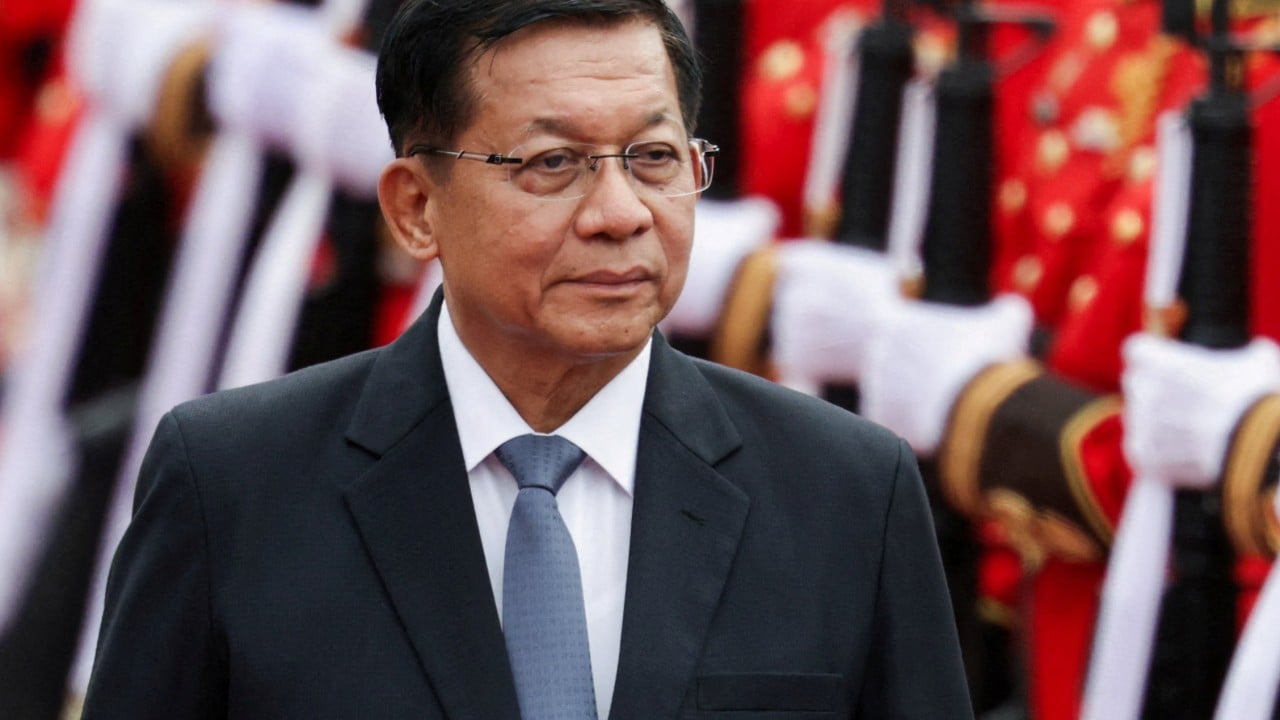
The Independent Investigative Mechanism for Myanmar released data showing a sharp spike in war crimes and civilian targeting. This escalation directly coincided with the regime's efforts to transition former junta chief Min Aung Hlaing into a civilian presidency through a tightly controlled election.
Diplomacy with pariah states rarely stays clean, but the disconnect between Naypyidaw's red-carpet ambitions and the reality on the ground has become impossible to ignore. If you want to understand why the Myanmar junta struggles for acceptance, you have to look past the official press releases and examine the machinery of state terror.
The Illusion of a Civilian Transition
The strategy was straightforward on paper. Stage a multi-phase election, stack the parliament with military loyalists, trade the army uniform for a civilian suit, and invite regional neighbors over for tea.
Min Aung Hlaing assumed the presidency following polls that major international observers dismissed as an empty ritual. Opposition figures remain locked away, political parties opposing the regime are banned, and the entire legislative framework exists solely to rubber-stamp military rule.
Yet, neighbouring capitals show a troubling willingness to bite. Pragmatic economic interests and regional fatigue push some Association of Southeast Asian Nations members toward quiet engagement. When regional leaders roll out the red carpet for visits, they send a dangerous signal that brute force pays off eventually.
High-Tech Terror in the Skies
The UN report shatters the narrative of normalization by detailing how the military maintains its grip. Ground troops face fierce resistance from ethnic armed organizations and civilian defense forces across the country. To compensate for lost territory on the ground, the military takes to the air.
Investigators documented a heavy reliance on low-cost aerial weapons. Soldiers use commercial drones, gyrocopters, and motorized paragliders to drop unguided mortar shells onto residential areas, markets, and displacement camps.
Worse still are the documented "double-tap" strikes. Air force units hit a target, wait for emergency responders and neighbors to rush in and help the wounded, and then strike the exact same location a second time. This systematic slaughter of first responders underscores a regime at war with its own population.
The Cost of Regional Pragmatism
Why do regional players engage with a regime accused of international crimes? The answer comes down to borders, trade, and border-zone security. Transnational crime syndicates run massive cyber scam operations and drug trafficking rings along the borders with Thailand and China. Neighboring governments often feel they must deal with whoever controls the capital—regardless of how they got there—to manage security crises.
This transactional mindset creates friction. Every time a regional diplomat shakes hands with the newly minted president, human rights groups push back harder. The UN documentation makes quiet normalization politically toxic for any democratic government trying to maintain a shred of moral authority.
What Happens Next
The Myanmar military thinks time is on its side. They believe that if they hold territory long enough, the international community will grow tired, look away, and accept the new status quo as an irreversible fact.
That calculation ignores the depth of local resistance and the permanent cloud of illegitimacy hanging over the administration. As long as independent investigators keep publishing forensic proof of atrocities, and as long as fighter jets continue targeting civilians, true diplomatic normalization remains out of reach. Acceptance requires more than a manufactured election and a change of clothes. Until the generals halt the violence, every international handshake will carry the stain of war crimes.