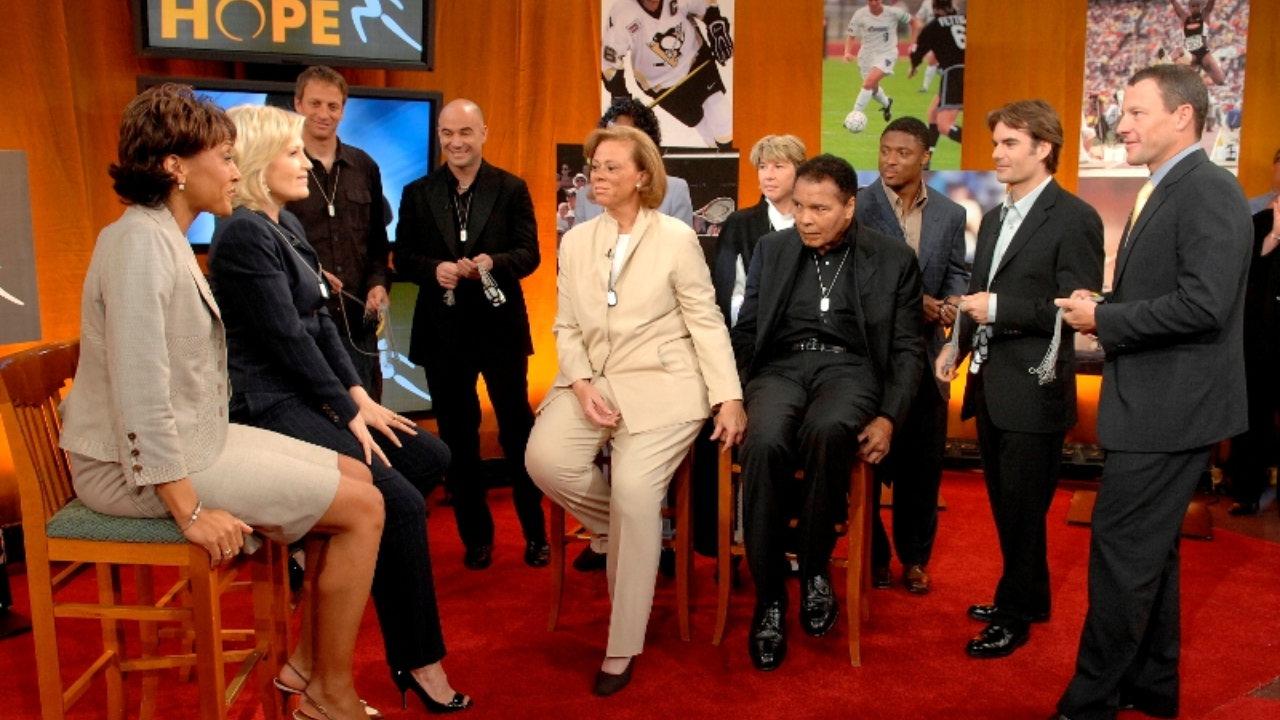
Most people assume famous athletes only care about contracts, stats, and championship rings. But back in 2006, a powerhouse group of sports icons decided their public influence needed a completely different kind of playbook. Boxer Muhammad Ali, soccer legend Mia Hamm, tennis great Andre Agassi, and several other elite names sat down together to tackle a massive problem in the sports world. They noticed thousands of professional competitors wanted to give back to charitable causes but constantly ran into a brick wall of logistics, confusion, and lack of direction.
Instead of watching from the sidelines, they founded Athletes for Hope to bridge that exact gap.
The Real Problem with Athlete Philanthropy
If you've ever wondered why so many talented stars struggle to run effective community programs, the answer is simple. Playing a professional sport is a full-time, brutal grind. You don't get taught how to structure non-profit boards, navigate tax exemptions, or vet community partners while you're busy training two-a-days.
Before 2006, if an athlete wanted to help kids or fund medical research, they basically had to reinvent the wheel alone. Many tried, burned out, or gave up entirely because the administrative weight crushed their good intentions. The founding group wanted to remove those roadblocks completely. They built a framework where athletes could plug straight into existing community needs without drowning in paperwork.
Icons Who Refused to Just Play Games
You can't talk about this initiative without looking at the heavy hitters who backed it from day one. Muhammad Ali wasn't just a legendary boxer with unmatched footwork and sharp wit. By 2006, his humanitarian footprint was already massive. Long after hanging up his gloves, Ali received the Presidential Medal of Freedom in 2005 and the Arthur Ashe Courage Award back in 1997, proving his greatest victories happened outside the ring.
Mia Hamm brought a completely different kind of lived experience to the table. Back in 1999, two years after losing her brother Garrett to a rare blood disorder, she launched the Mia Hamm Foundation. She didn't just slap her name on a logo; she built programs that raised critical funds for bone marrow and cord blood transplants while championing young women in sports.
Then you had competitors like Warrick Dunn, who launched Homes For The Holidays during his rookie NFL season in 1997. Inspired by his mother’s dream of homeownership before she was tragically killed, Dunn started gifting single-parent families fully furnished homes with down-payment assistance.
When you look at other founders like Andre Agassi, Jackie Joyner-Kersee, Alonzo Mourning, and Jeff Gordon, a clear pattern emerges. They didn't wait until retirement to care about their communities. They built charter schools, youth centers, and major health fundraising networks while they were still at the absolute peak of their professional careers.
How Athletes for Hope Changed the Game
The organization didn't just hand out advice. They created structured programs that turned raw celebrity star power into reliable, grassroots action.
- Connecting grassroots needs: They matched willing competitors with vetted charities that desperately needed visibility and funding.
- Youth empowerment: They built school programs where athletes taught kids about character, leadership, and healthy habits.
- Hospital visits: They organized direct, personal visits to pediatric wards, cutting through red tape so athletes could actually spend time with sick children.
Most sports fans don't realize how much psychological weight competitors carry when they try to step outside their sport. Public expectations are brutal. If an athlete stumbles on the field, critics tear them apart. If they stumble in philanthropy, cynicism follows them everywhere. Athletes for Hope provided the institutional backing that kept charitable efforts professional, transparent, and impactful.
What You Can Learn from Their Playbook
You don't need Olympic medals or a multi-million-dollar sports contract to use this blueprint in your own life or local community.
If you want to make a real difference, stop trying to build a massive project from scratch. Look around your neighborhood. Find existing organizations that are already doing the heavy lifting and figure out where your specific skills, time, or resources fit best. Strip away the ego, cut the bureaucracy, and focus purely on the execution.
That is what Ali, Hamm, and their peers understood back in 2006. True legacy isn't built on the scoreboard. It's built on how many people you pull up with you when you climb.