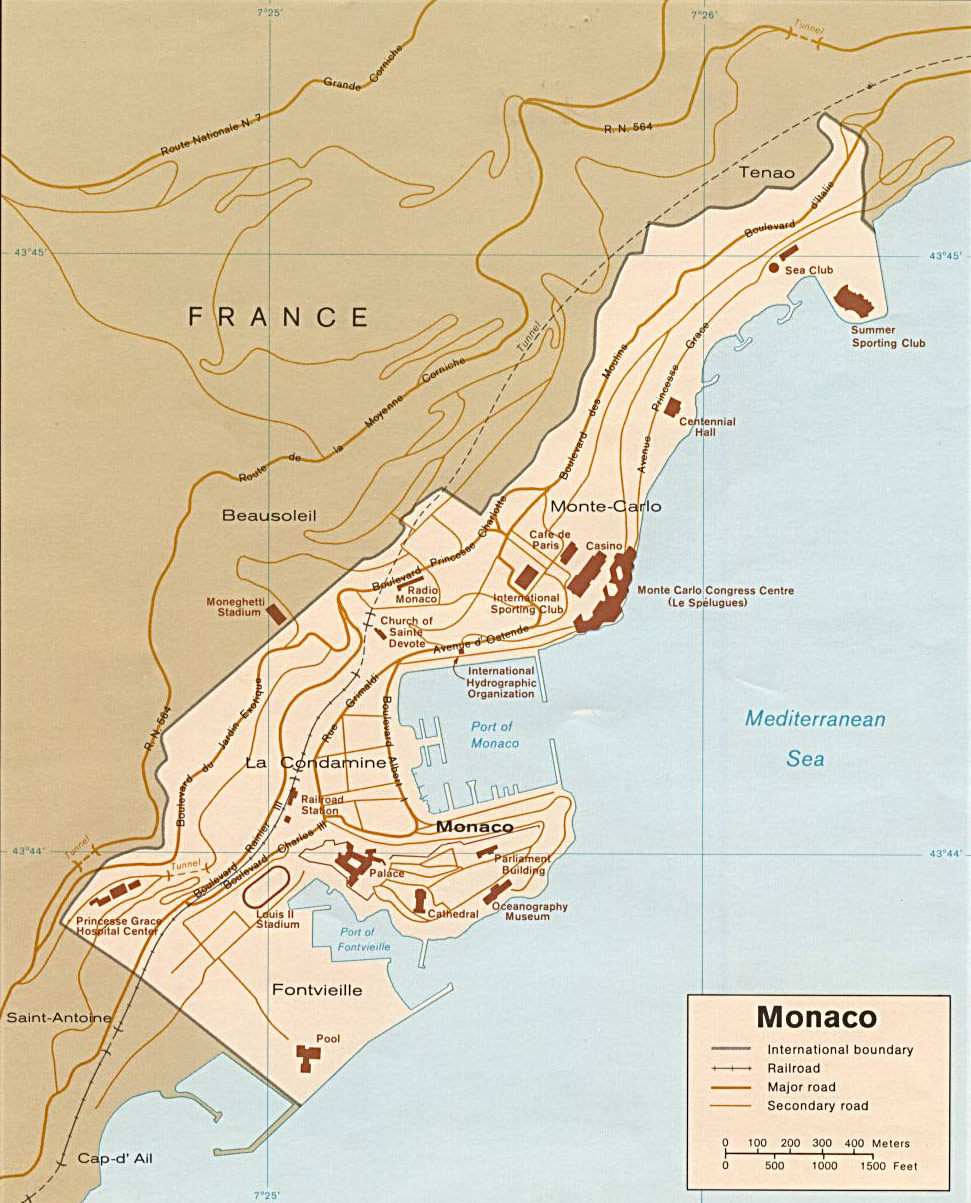
The Mediterranean principality of Monaco isn't a place where bombs go off. It is a tax-friendly playground for the ultra-wealthy, guarded by an incredibly tight net of CCTV cameras and heavy police presence. Yet, on June 29, 2026, a remote-controlled explosive device tore through the entrance of a luxury residential building. The target was Vadym Iermolaiev, a sanctioned Ukrainian construction tycoon with deep links to Russian businesses.
The fallout from that blast didn't stop in southern France. It rippled directly into Ukraine, culminating in a messy, public execution that has left Western intelligence agencies reeling.
On July 7, 2026, Ukrainian prosecutors and the Security Service of Ukraine (SBU) dropped a bombshell: the prime suspect in the Monaco bombing, 39-year-old Anastasiia Berezovska, was found dead near Kyiv with gunshot wounds to the head. The twist? A serving officer from Ukraine's military intelligence directorate (HUR) confessed to the execution.
This isn't just a local murder case. It's a geopolitical nightmare for Kyiv.
From the Riviera to a Kyiv Crime Scene
The plot reads like a poorly written spy thriller, but the details are chillingly real. According to Monaco prosecutors, Berezovska disguised herself as a heavily built man, wearing a black bucket hat and light shorts to plant the booby-trapped parcel bomb. The explosion seriously injured Iermolaiev and his partner, leaving her in critical condition, while their 13-year-old son sustained lighter injuries.
Berezovska fled on foot into France, drove through Italy, and headed toward Germany, where she had been living. By July 1, she crossed into Ukraine. Within days, Interpol issued a Red Notice for her arrest.
June 29: Bombing in Monaco -> Suspect flees through France & Italy -> July 1: Enters Ukraine -> July 6: Murdered in Kyiv -> July 7: HUR Officer Confesses
The SBU caught on quickly by tracking crypto wallets. They noticed massive digital currency transfers going from two men in Ukraine straight to Berezovska. When they arrested the men—an active HUR military intelligence officer and a former law enforcement official—the intelligence officer confessed to the murder. He claims he acted completely on his own initiative without informing his superiors.
If that wasn't grim enough, a raid on the former cop's house uncovered a literal basement torture chamber filled with axes, hammers, and a green tarpaulin laid out across the floor.
The Rogue Actor Myth
Let's talk about the elephant in the room. The HUR officer insists his superiors knew nothing about the assassination attempt, the crypto payments, or the subsequent cleanup operation in Kyiv.
If you believe that a mid-level intelligence operative organized an international bombing on sovereign European territory, financed it via crypto, tracked the asset across multiple borders, and then executed her to silence her—all without a single boss noticing—I have a bridge to sell you.
Intelligence agencies exist on deniability. "Rogue actor" is the oldest card in the deck. Ukraine has run highly effective, lethal operations using explosive devices inside occupied territories and Russia proper to eliminate Kremlin collaborators. But pulling off a bomb attack in the heart of Western Europe is a completely different boundary line.
Why This Shatters Kyiv's Diplomatic Narrative
The timing couldn't be worse for Ukrainian President Volodymyr Zelenskyy. The execution came right as Kyiv was pushing hard to prove it is purging corruption and organized crime to secure its European Union accession bid.
Western allies have quietly tolerated a lot of aggressive covert actions because Ukraine is fighting a brutal war of survival. But setting off bombs in Monaco and running torture basements in Kyiv pushes the envelope too far. It signals a lack of control over internal state apparatuses, or worse, a deliberate choice to use state intelligence resources for extrajudicial contracts against oligarchs.
Iermolaiev wasn't a saint; Ukraine sanctioned him in 2023 for allegedly maintaining commercial ties with Russian entities in occupied Crimea. But Western democracies rely on the rule of law. When a country hoping to join the EU appears linked to car bombs on the French Riviera, European lawmakers start getting incredibly nervous.
What Happens Next
This story won't die down with a simple confession. Western intelligence agencies, particularly French and German investigators who were already tracing Berezovska's network, are going to dig deep into those crypto trails.
Expect these three shifts immediately:
- Intense Private Scrutiny on the HUR: Washington and Brussels will demand a full, transparent accounting of how deeply embedded this "rogue" cell actually was within Ukraine's military intelligence structure.
- A Chilling Effect on the "Monaco Battalion": The wealthy elite of Ukrainian and Russian expatriates living out the war in luxury enclaves just realized that European borders offer no real protection if someone wants them dead.
- Tightened Crypto Tracking: European cybercrime units are already collaborating with the SBU to map the exact exchanges used to fund Berezovska, which will likely expose a broader web of dark-money financing.
Ukraine's security services have proven they can cooperate fast by handing over all findings to Monegasque authorities. But rewriting the narrative of a state-backed intelligence officer committing murder to cover up a botched European bombing is going to take a lot more than a quick press release.