Geopolitical posturing often sounds like empty noise until regional conflict shifts past the point of no return. When senior Iranian military figures and political architects start talking about foundational structural threats to Western presence, you have to look past the standard media spin. The ongoing escalation between Tehran and Washington isn't just another routine skirmish in a crowded theater. It represents a fundamental recalibration of asymmetric warfare across the Middle East.
Let's break down what's actually happening on the ground. Recent American military operations inside Iran resulted in significant casualties, with local reports confirming dozens of deaths and injuries. Washington continues to deny targeting civilian infrastructure, but the optics on the ground drive an entirely different narrative across the region. In response, Iranian tactical doctrine has shifted toward targeting allied host nations and localized American military installations spanning Jordan, the United Arab Emirates, Kuwait, Bahrain, and the Kurdish autonomous region of Iraq. For another perspective, check out: this related article.
The Core of the Threat
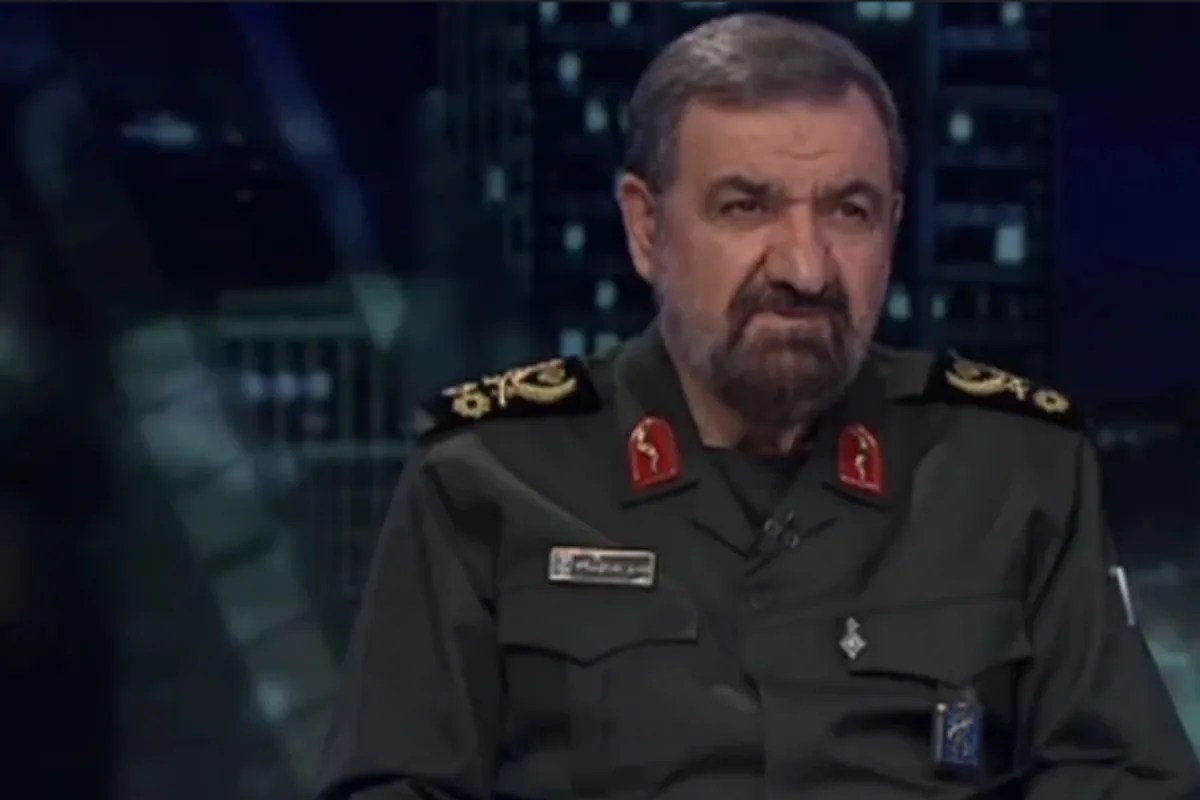
Mohsen Rezaei, serving as a senior military advisor and secretary of Iran's Expediency Discernment Council, didn't issue his warnings in a vacuum. When he posted that Iran's incoming strategy would shake American foundations across military, diplomatic, and economic vectors, he was signaling a pivot away from conventional deterrence.
Most foreign policy analysts miss the underlying mechanics here. Tehran understands it cannot match modern American conventional military power ship-for-ship or jet-for-jet. Instead, the real strategy relies on bleeding adversary resources through protracted regional proxy friction, economic blockades, and continuous cyber-kinetic pressure. Washington calls it getting bogged down in a quagmire of its own making. Tehran views it as a war of attrition designed to fracture the political will of Western taxpayers and regional partners alike. Related reporting on this trend has been published by BBC News.
Strategic Realities Behind the Rhetoric
President Donald Trump recently addressed reporters in the Oval Office, dismissing the necessity of extreme escalatory measures like nuclear options by claiming conventional military containment has already neutralized the core threat. But real-world strategy is rarely that clean-cut. When asymmetric actors absorb direct hits and immediately pivot to decentralized retaliation, traditional definitions of victory start breaking down.
You have to look at how modern economic corridors and regional alliances react to sustained instability. Every time a regional base takes incoming drone or missile fire, insurance premiums skyrocket, supply chains stutter, and diplomatic alliances strain under the weight of domestic security demands. That is the actual foundation Rezaei claims is shaking. It isn't about a sudden naval invasion of the American mainland; it is about making the cost of Middle Eastern hegemony unacceptably high for Western policymakers.
What to Watch Next
Stop expecting a neat diplomatic resolution anytime soon. The structural incentives for de-escalation are currently outweighed by domestic political pressures in both capitals. As long as kinetic strikes continue to claim lives and disrupt regional stability, military advisors on both sides will keep doubling down on hardline postures. Keep a close eye on economic metrics, regional alliance friction in Gulf states, and shifts in asymmetric proxy doctrines rather than just focusing on official diplomatic statements. That tells you where the actual battlefield is moving.