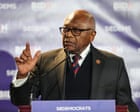
When Prime Minister Narendra Modi and Iranian President Masoud Pezeshkian sat down for bilateral talks on the sidelines of the Shanghai Cooperation Organisation summit in Bishkek, they weren't just exchanging diplomatic pleasantries. They were navigating a high-stakes minefield of trade pressure, energy security, and an ongoing West Asia conflict that has rattled global shipping lines.
If you're wondering why this specific meeting matters so much right now, you have to look past the surface-level headlines. It's about how New Delhi manages its strategic autonomy while keeping crucial economic channels open under the heavy shadow of Western sanctions.
Walking the Tightrope of West Asia Dynamics
Let's be real. Balancing relationships between Tehran, Washington, and Gulf partners like the UAE and Saudi Arabia is an absolute headache for Indian foreign policy planners. Yet, Modi pulled off this exact diplomatic balancing act during his thirty-minute discussion with Pezeshkian.
The meeting marked their first face-to-face interaction since tensions escalated sharply in West Asia. Pezeshkian didn't hold back, urging India to use its extensive international clout to help bring an end to ongoing hostilities. Meanwhile, Modi reiterated a consistent stance: civilian infrastructure must remain untouched, maritime freedom in critical passages like the Strait of Hormuz is non-negotiable, and dialogue remains the only viable path forward.
What Chabahar Port and Trade Mean for the Ground Reality
You can't talk about India-Iran relations without looking at the Chabahar port project. India has poured significant effort and resources into developing this vital transit hub to bypass Pakistan and secure access to Central Asia and Afghanistan.
However, the expiration of specific US sanctions waivers has thrown a wrench into smooth operations. During their discussions, both leaders focused heavily on diversifying the trade basket to counter these external pressures. Tehran wants to neutralize economic strangulation, while New Delhi needs predictable energy flows and unhindered transit for goods. It's a pragmatic exchange born out of sheer necessity rather than idealism.
The Road Ahead for Multilateral Forums
The timing of these bilateral talks feeds directly into broader multilateral engagements, including upcoming summits where consensus is notoriously difficult to forge. With competing interests clashing over how to address regional conflicts in joint declarations, Modi's push for diplomacy over division sets a distinct tone.
You're looking at a classic display of multi-alignment in action. India refuses to choose a single camp, choosing instead to engage Tehran directly while preserving ties with major Western and Middle Eastern economies.
Keep an eye on upcoming economic agreements and multilateral communiques. That's where the real impact of these high-level conversations will play out in practice.