You’re sitting in traffic. Your windows are rolled up. A podcast plays softly through high-end speakers, and active noise cancellation scrubs away the drone of the highway. Outside your glass bubble, an ambulance is screaming down the lane. You don’t hear it until it’s right on top of you.
Modern vehicle engineering has turned our cars into acoustic isolation chambers. That silence is great for your commute, but it's a massive hazard for emergency response.
The Acoustic Problem Inside Modern Cars
Car manufacturers spend millions making cabins quieter. Double-pane acoustic glass, advanced multi-layer door seals, and heavy chassis insulation block out the outside world. Unfortunately, they also block out high-frequency emergency sirens. Traditional sirens operate around 1,000 hertz, a frequency that easily bounces off modern automotive insulation.
Drivers aren't intentionally ignoring emergency vehicles. They literally cannot hear them over their sound systems and cabin insulation until the vehicle is dangerously close. This communication breakdown leads to delayed reactions, erratic last-second swerves, and severe intersection collisions.
How Low-Frequency Sirens Change the Game
Police departments and emergency fleets are adopting secondary low-frequency warning systems, such as the Federal Signal Rumbler, to punch through insulated vehicle cabins. Unlike traditional wails, these systems drop frequencies down to a range between 182 and 400 hertz.
Physics changes at this level. Instead of just bouncing off glass, low-frequency sound waves shake the air. They create physical vibrations that drivers and pedestrians can actually feel through the floorboards and steering wheel. When a cruiser equipped with a low-frequency system approaches an intersection, you don't just hear a noise—your dashboard rattles.
The Trade-Off Between Safety and Noise Pollution
Every technological fix has a downside. Pumping 180-hertz bass waves through dense city streets triggers pushback from urban residents. Standard sirens are already loud, and adding subwoofers that vibrate apartment windows brings a new layer of noise pollution to crowded neighborhoods.
Critics argue that shaking city blocks every time an emergency vehicle rolls out adds unnecessary stress to dense environments. Yet, fleet managers maintain that safety trumps quiet. An officer broadsided at an intersection helps nobody.
Practical Steps for Safer Driving
You can't rely solely on your car's audio cues anymore. Protect yourself and emergency crews by changing a few driving habits:
- Turn down the volume: Keep your car stereo at a level where you can still perceive environmental changes outside.
- Keep windows cracked slightly: If you drive in heavy urban traffic, dropping a window an inch lets ambient sound bypass acoustic glass.
- Scan your mirrors regularly: Don't wait for a sound. Look for flashing lights every few blocks, especially near major hospitals and fire stations.
- Check your blind spots early: When you notice flashing lights behind you, signal and move safely without slamming on your brakes.
Emergency response relies on mutual awareness. Modern cars isolate us, but staying alert keeps the road moving safely.
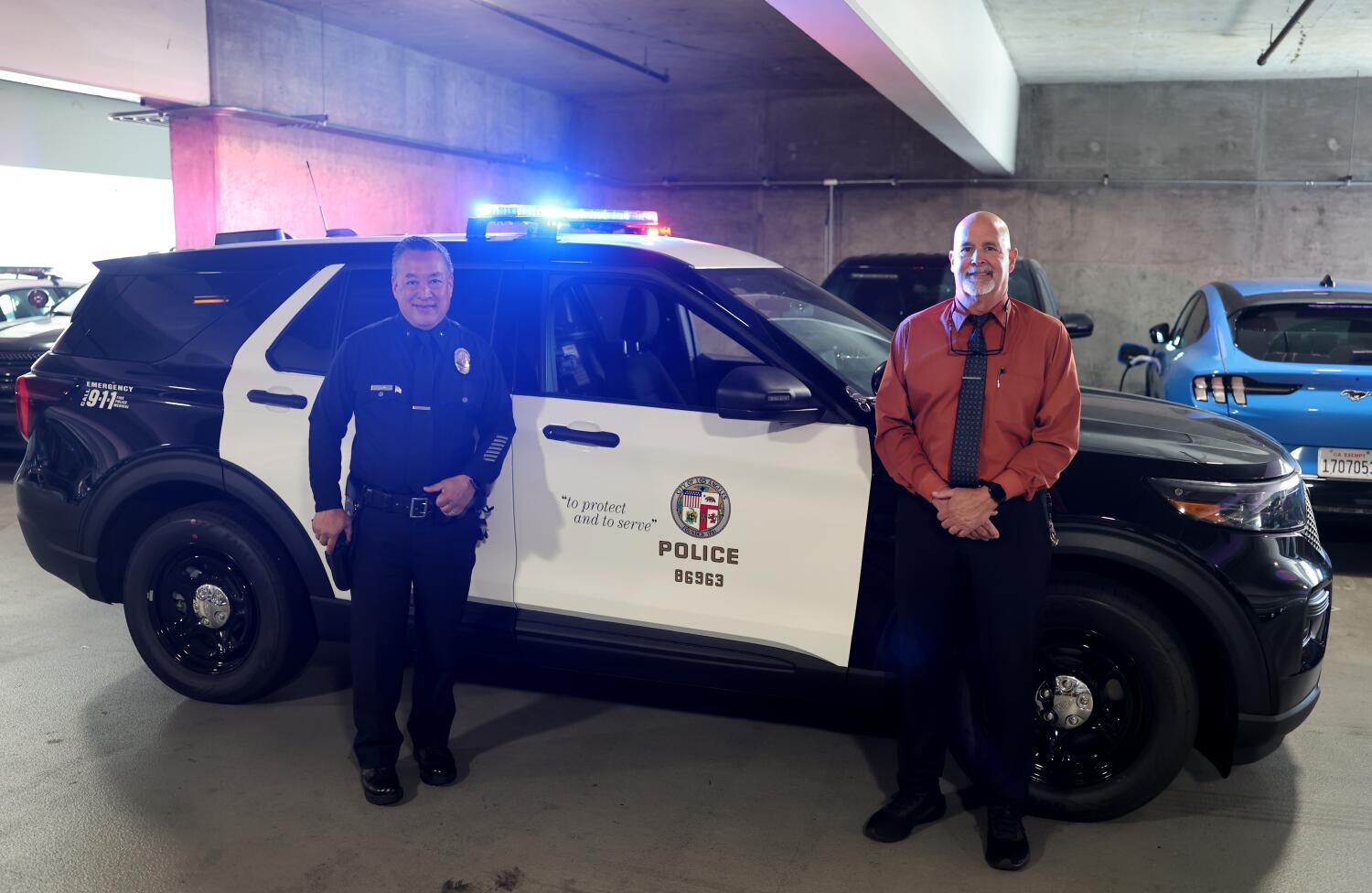
LAPD vehicles get new Rumbler sirens
This news report covers the deployment of low-frequency siren systems to combat modern vehicle soundproofing and alert distracted drivers.
http://googleusercontent.com/youtube_content/1