When the ground can no longer hold what the sky drops, a town has to find a different kind of strength. Right now, Minnedosa is finding it in thousands of orange tiger tubes, sore muscles, and a collective local clock that is ticking toward a river crest.
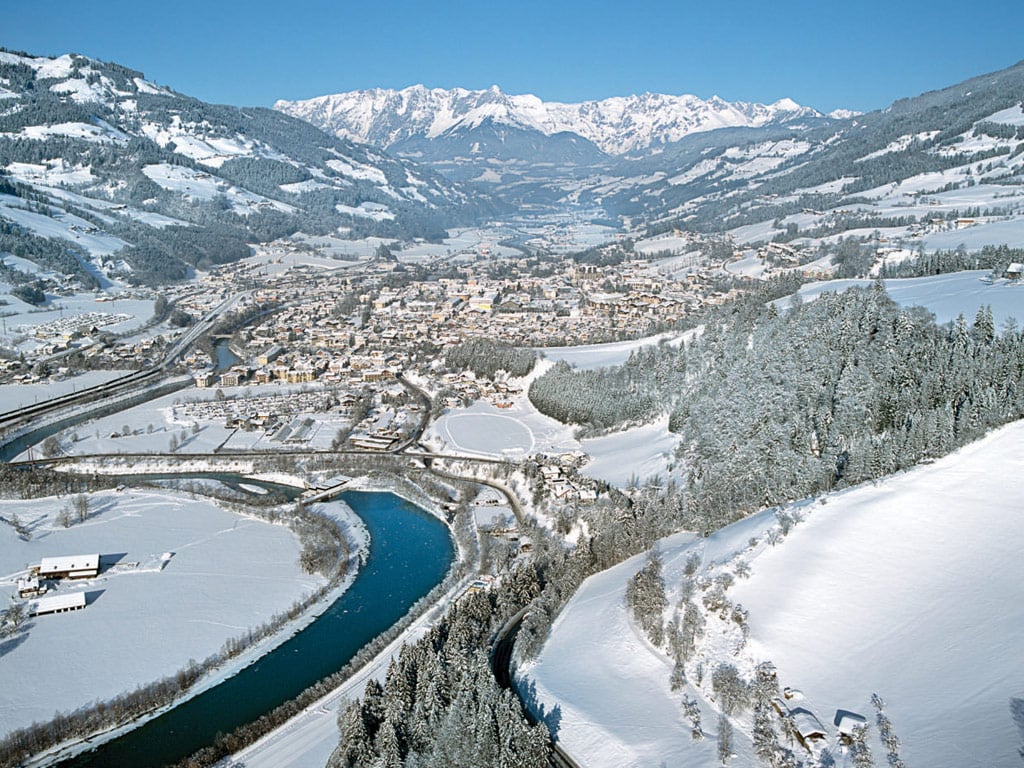
The Town of Minnedosa officially declared a local state of emergency on Sunday morning. It is a calculated, legal move that allows municipal leaders to bypass typical red tape, commandeer heavy machinery, and mobilize rapid infrastructure defenses. Tucked tightly into a valley along the Little Saskatchewan River, this community of 2,500 people is absorbing the downstream wrath of a brutally wet start to summer.
The emergency declaration will remain in place until August 4, giving local authorities a wide window to manage what is shaping up to be an unpredictable hydrologic event.
The Saturated Reality Behind the Rising Water
If you want to understand why a sudden string of summer storms is tearing up western Manitoba, you have to look at the soil. Brian Proctor, a meteorologist with Environment and Climate Change Canada, points out a reality that local farmers and homeowners already know too well. The ground is completely full.
Because the late June period delivered rainfall well above historical averages, the earth has zero capacity left to absorb water. Every single drop of recent rain is turning instantly into overland runoff. It is sliding off fields, overflowing ditches, and rushing directly into the river networks.
Water from the central part of Riding Mountain National Park flows south, feeding the Little Saskatchewan River. That water is arriving in Minnedosa now.
Municipal Emergency Coordinator Katianna Polejewski notes that modelling from the province shows the river rising by up to 0.6 metres—nearly two feet—above its current observed level. The river is expected to crest between Monday and Wednesday, holding at that peak for at least forty-eight hours before showing any signs of recession.
Moving Parts and Critical Infrastructure
A flood in a valley town isn't just about a river spilling its banks. It is a complicated game of structural engineering. The community sits downstream of the Minnedosa Dam, which manages the water levels of Minnedosa Lake. As of Sunday, the lake was a single inch away from reaching full supply capacity.
Managing a dam during an active downstream flood threat requires a razor-thin balance. Remove too many stop logs from the spillway to relieve lake pressure, and you drown the town below. Hold too much back, and you risk compromising the dam structure or flooding properties further upstream. Town officials are meeting daily with provincial engineers to reassess the spillway stop logs.
While the engineering teams watch the dam, crews on the ground are focusing on structural defense. The standard burlap sandbag still has its place, but modern flood fighting relies heavily on rapid-deployment technology.
- Tiger Tubes: These massive, water-filled plastic barriers have been deployed on the southwest side of the bridge and around Victoria Bay to form continuous, heavy walls against the rising current.
- Super Sandbags: Large-scale commercial sandbags have been mechanically dropped to reinforce critical low-lying zones.
- Targeted Defenses: Defensive lines are completely built out around Heritage Village and Second Avenue Northeast, two areas historically vulnerable to rising channel flows.
Real Experience Beats Theoretical Planning
This isn't Minnedosa’s first time dealing with a rogue river. The town faced a massive spring flood event in 2022, and a devastating summer event in 2020. That history brings a heavy dose of anxiety, but it also brings tactical experience.
Longtime residents aren't waiting for water to hit their doors before they act. Homeowner Esther McLaughlin, who has lived in the town for over two decades, lost her basement to six feet of water during the 2020 deluge. Her strategy this year? She cleared every valuable out of her basement days ago and was among the first in line to secure sandbags. Experience teaches you that hoping for the best is a terrible mitigation strategy.
Mayor Ken Cameron admits that while anxiety exists, the town is in much better shape than in previous years because the defensive preparation started early. Volunteers filled thousands of bags over the weekend before the bulk of the northern runoff arrived.
The regional picture shows that Minnedosa is not fighting this alone. The City of Brandon and the Sioux Valley Dakota Nation both declared states of emergency on Saturday night as the Assiniboine River surges. Across western Manitoba, thirty different communities are under emergency declarations. The provincial infrastructure is taking a beating, with roughly 50 roads damaged, washed out, or underwater throughout the Parkland region.
Federal help is on the way. A team from the Canadian Armed Forces and the veteran-led disaster relief group Team Rubicon are deploying to the region to assist with the physical toll of maintaining these defenses.
What to Do Right Now
If you live in or near Minnedosa, the next 72 hours are critical. Do not treat the rising river as a spectator sport. Local authorities are asking everyone to stay completely off the dike systems, closed recreational trails, and riverbanks. Fast-moving water erodes banks from underneath, creating invisible collapse hazards.
Ensure your household is prepared for sudden shifts.
- Move Valuables Early: Do not wait for a basement breach. Move electronics, documents, and sentimental items to upper floors immediately.
- Monitor the Connect System: Local emergency alerts are being pushed through the town's Connect system, official social media accounts, and daily 3:30 PM public briefings at the Minnedosa Community Conference Centre.
- Check Your Sump Pump: Saturated soil means high water tables. Ensure your pump is plugged in, clear of debris, and discharging water at least two metres away from your foundation.