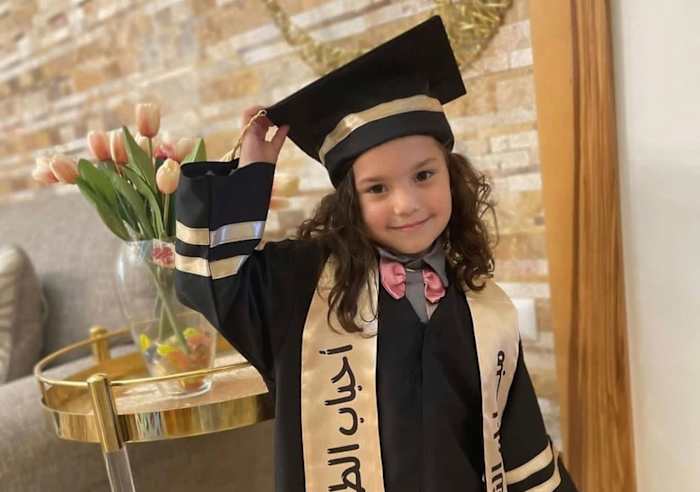
The Israeli military finally announced criminal investigations into the deaths of 5-year-old Hind Rajab and a group of 15 Palestinian paramedics. If you think this signals a change in how accountability works, look closer. These are the first criminal probes launched after nearly three years of war. For many, this isn't justice. It’s an exercise in maintaining institutional control over the narrative of an ongoing conflict.
The timing alone raises eyebrows. After reviewing 150 incidents of troop conduct, the military decided to move forward with only these two cases. They explicitly declined to probe the strikes on World Central Kitchen workers or staff from Doctors Without Borders. By segmenting which deaths warrant a criminal review and which get a pass, the military creates a hierarchy of casualties. It’s a messy, frustrating reality for families who have waited years for any form of acknowledgment.
The Problem With Internal Reviews
When a military investigates itself, the outcome is rarely a surprise. The standard procedure often involves reviewing internal logs, checking mission parameters, and determining whether soldiers acted according to established rules of engagement. This process is inherently limited. It doesn't look at whether the rules themselves are flawed or if the strategic approach in Gaza creates an environment where civilian deaths become inevitable.
I've watched similar military internal review processes play out in other conflicts. They almost always focus on "procedural compliance." Did the soldier follow orders? Was the command chain followed? This ignores the bigger picture. It treats the deaths of civilians like Hind Rajab not as a moral catastrophe, but as an administrative error that needs a tidy internal memo.
For families, this is an insult. Hind Rajab’s grandmother put it bluntly: an international investigation is the only way to uncover the truth. She isn't asking for a report from the people who directed the operation. She's asking for an independent body that doesn't have a vested interest in protecting the reputation of the armed forces.
The Specifics of the Cases
The case of Hind Rajab is etched into public memory. A 5-year-old child trapped in a car with her dead family, calling for help while the sound of gunfire echoed on a recorded emergency line. The military admitted to firing at that car. They also fired at the ambulance sent to rescue her.
Then there is the case of the 15 paramedics in Rafah. These weren't random bystanders. They were driving clearly marked emergency vehicles. The military initially claimed these vehicles were acting suspiciously, claiming they lacked lights or signals. Footage later proved that claim entirely wrong. The vehicles were illuminated, marked, and moving slowly toward the wounded.
By only choosing to investigate these after the public outcry and documented evidence became impossible to ignore, the military is responding to pressure, not seeking accountability. It’s damage control.
Why Other Aid Workers Remain Unprotected
The decision not to investigate the World Central Kitchen strike or the killings of Doctors Without Borders staff is telling. The military stated these cases didn't raise "reasonable suspicion of criminal misconduct." They called the WCK strike a mistake in identification—a tragedy, but not a crime.
This sets a dangerous precedent. It tells humanitarian organizations that even when they coordinate their movements, carry logos, and provide GPS coordinates, they are still at risk. It suggests that if an analyst makes a mistake, the military considers it a operational reality rather than a liability. This erodes the trust aid groups need to function. Without that trust, the humanitarian crisis in Gaza only deepens.
What Real Accountability Looks Like
Real accountability requires three things that are currently missing from this process:
- Independence: The investigators cannot report to the same chain of command that authorized the military actions.
- Transparency: The public needs to see the criteria used to launch these investigations. Why these two cases and not the others?
- Scope: The review must look beyond individual soldiers. It must address the command decisions that led to the targeting of ambulances, hospitals, and homes.
Right now, we are seeing a closed-loop system. The military decides what is worth looking at, who does the looking, and what the conclusion should be. This doesn't provide closure for victims. It provides a legal shield for the institution.
Looking Ahead
If you're following this, don't expect a sudden shift in policy. These investigations will likely drag on for months, perhaps years. They will yield reports that satisfy the technical requirements of military law but likely fail to satisfy the families of the victims or the international observers calling for human rights compliance.
The takeaway here is simple. Military self-oversight is a myth. When systemic failures occur, the institution is hard-wired to protect its own structure. If you want to see justice for the thousands of civilians killed in Gaza, stop waiting for the military to hold itself responsible. Focus instead on the international bodies and independent journalists who are actually documenting the events on the ground. That is where the truth is being built, one piece of evidence at a time.
Keep a close watch on the U.N. Human Rights Council and the International Criminal Court. They are the only entities currently pushing for an investigation that isn't beholden to the military's internal hierarchy. Anything else is just theater.


