Air shows look thrilling from the grandstands. You hear the roar of vintage engines, feel the bass of a fighter jet tearing past at supersonic speed, and watch pilots perform maneuvers that defy common sense. Then something goes wrong.
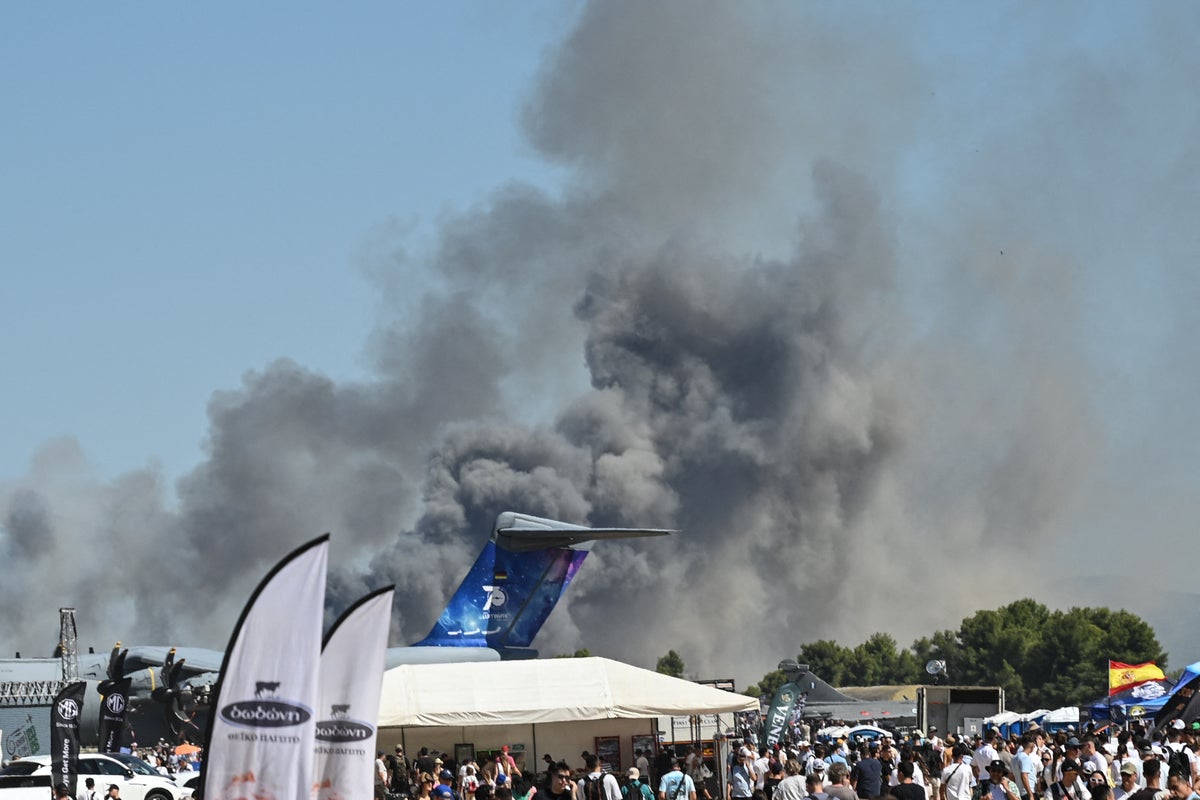
A Greek air force jet crash at the Athens Flying Week event near Tanagra air base turned a weekend celebration into a tragedy. The twin-seat Phantom F-4 went down during a low-altitude maneuver, killing both pilots and sparking a massive wildfire that required dozens of firefighters and eleven aerial units to contain. Thousands of spectators watched the disaster unfold just miles north of Athens.
The High Cost of Aerial Precision
Military aviation is inherently dangerous. You don't need a statistic to know that strapping yourself into a multi-million-dollar war machine and pulling extreme G-forces close to the ground carries immense risk. Yet, military authorities continue to put vintage and high-performance jets through their paces at public exhibitions year after year.
The Greek air force lost two experienced officers in seconds. Prime Minister Kyriakos Mitsotakis called the accident a stark reminder of the daily danger faced by aviators guarding the nation's skies. But watching trained professionals perish in front of thousands of civilians raises an uncomfortable question. Why do we keep running these high-risk demonstrations?
Public relations drive these events. Militaries use air shows to recruit, boost national pride, and display hardware capabilities to taxpayers and foreign allies. When an F-4 Phantom crashes, the PR machine stalls, replaced by three days of national mourning and difficult questions about flight safety protocols.
What Happens When a Low-Altitude Maneuver Fails
Fighter jets move fast. Too fast for human reaction times if a mechanical failure or miscalculation hits during a low-level pass. Witnesses at Tanagra air base noted the aircraft was airborne for barely three minutes before things went sideways.
The sequence of events is usually terrifyingly fast:
- The aircraft executes a low-altitude pitch or turn.
- A loss of altitude or mechanical issue leaves zero margin for recovery.
- Impact occurs away from the main spectator zones, preventing mass civilian casualties.
- Fire breaks out instantly from residual aviation fuel, creating intense heat and heavy smoke.
Emergency responders at Tanagra faced a dual threat. They had to battle a raging brush fire whipped up by the wreckage while simultaneously launching search and recovery operations for the crew. Eleven water-dropping planes and helicopters joined 85 firefighters on the ground. The blaze triggered local evacuation orders, showing just how quickly an aviation mishap morphs into a community environmental emergency.
The Safety Debate We Ignore Until It Is Too Late
Every time a military jet goes down at an air show, aviation experts debate the necessity of low-altitude flight displays. Proponents argue that pilots must train for extreme flight envelopes under high-stress conditions. Critics point out that modern flight simulators and digital tracking make risky live displays unnecessary for training purposes.
You can train pilots effectively without flying vintage or complex jets mere hundred feet above cheering crowds. Yet, the spectacle remains. Air shows draw huge revenue and massive crowds. Organisers canceled the remainder of the Athens weekend schedule, but similar shows will go on elsewhere next month.
If you plan to attend a military air show, keep your eyes open. Enjoy the engineering marvels, but remember that you are watching people push heavy metal to the absolute edge of physics. Sometimes, gravity wins.