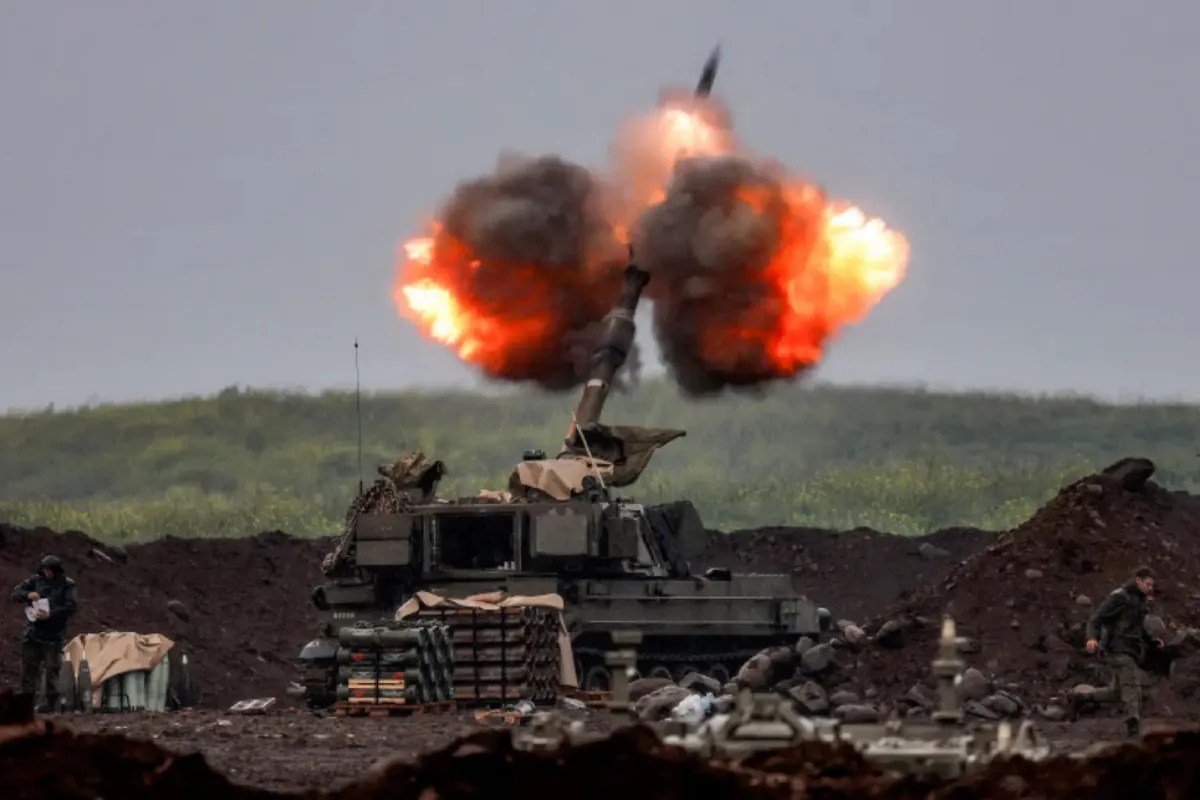
The ground is shifting rapidly across the Middle East. If you've been watching the headlines, you know this isn't just another localized skirmish. Iran's military apparatus recently launched a heavy wave of drone and missile strikes targeting American military facilities across Bahrain, Kuwait, and Jordan.
This direct escalation follows consecutive nights of intense U.S. aerial bombardment targeting Iranian coastal infrastructure and military command centers. The conflict, which initially flared over maritime control and shipping blockades in the strategic Strait of Hormuz, has now broken past its containment borders. Tehran has made it explicitly clear: any regional base hosting U.S. forces involved in operations against Iran is a valid target for retaliation.
Inside the Strikes on Regional U.S. Bases
The scope of the recent Iranian operation reveals a calculated attempt to blind and disrupt American defensive architecture in the Gulf. According to statements released by the Iranian Army and the Islamic Revolutionary Guard Corps (IRGC), specific facilities bore the brunt of the assault.
In Bahrain, kamikaze drones—specifically identified as Arash models—targeted fuel storage tanks, equipment warehouses, and troop barracks at the Isa Air Base. Iranian state media also claimed hits on intelligence data infrastructure within the country, signaling that Tehran's strategy targets logistics and data just as much as physical hardware.
Moving north into Kuwait, the operations intensified. Facilities at Camp Arifjan, Camp Doha, and the Al-Adiri camp saw incoming projectile threats. Iran's military confirmed that equipment warehouses, tactical communication nodes, and personnel housing areas were struck during these phases. Meanwhile, Jordan's Al-Azraq Air Base faced coordinated drone activity targeting aircraft hangars and maintenance facilities.
Why the Strait of Hormuz Sparked This Wider War
You cannot understand these base attacks without looking at the choke point driving the entire crisis. The Strait of Hormuz remains the epicenter of this confrontation. Roughly a fifth of the world’s oil supply moves through these waters.
When maritime tensions spiked over ship seizures and attempts to bypass naval blocks, the U.S. Central Command (CENTCOM) ramped up offensive operations to safeguard commercial navigation. Washington aims to keep the waterway open at all costs. Tehran, conversely, has utilized closures, drone boats, and regional missile proxies to push back against the pressure.
Diplomatic off-ramps have repeatedly stalled. Past agreements and brief memorandums of understanding collapsed under mutual distrust, leaving military commanders on both sides driving the narrative.
The Regional Toll and Local Defenses
Host nations caught in the crossfire are feeling the immediate pinch. Air defense systems in Bahrain, Kuwait, and Jordan have worked overtime to intercept incoming projectiles. Debris and intercepted threats have triggered local emergencies, forced temporary airspace closures, and put civilian populations on high alert.
Gulf Cooperation Council officials have strongly condemned the impacts on local infrastructure, noting that the widening operational theater threatens civilian safety far beyond direct military footprints. Yet, Tehran maintains its hardline stance, asserting that host governments must bar Washington from using their sovereign territory for offensive sorties if they want to avoid collateral damage.
Watch the status of maritime traffic in the Persian Gulf closely over the coming days. As long as the naval blockade and U.S. airstrikes persist, regional facilities will stay on maximum alert.