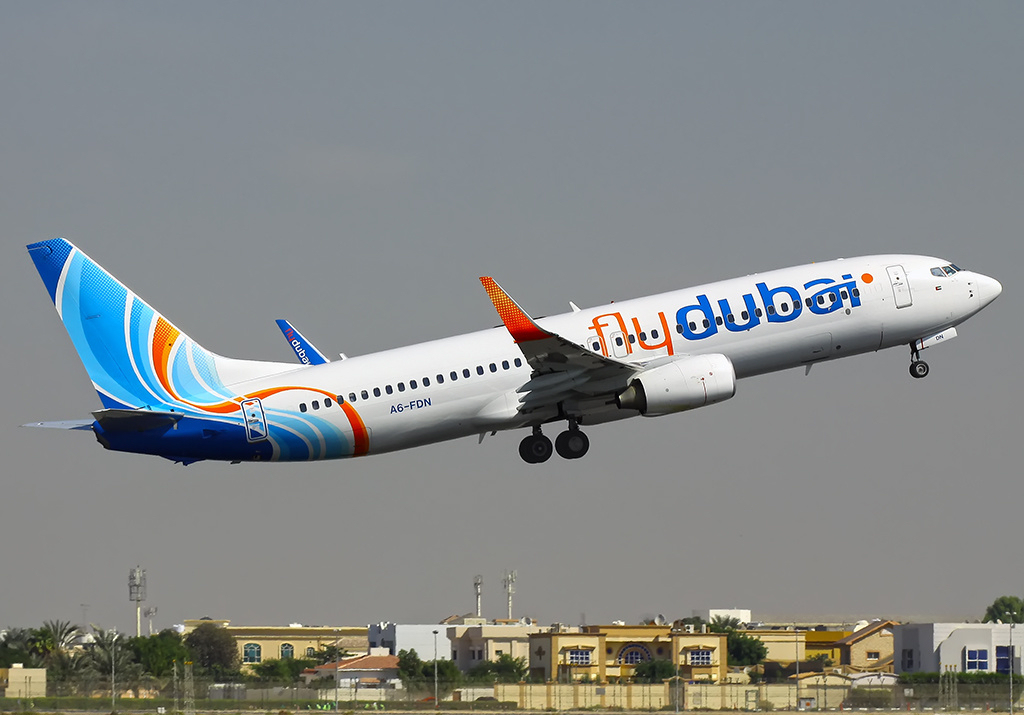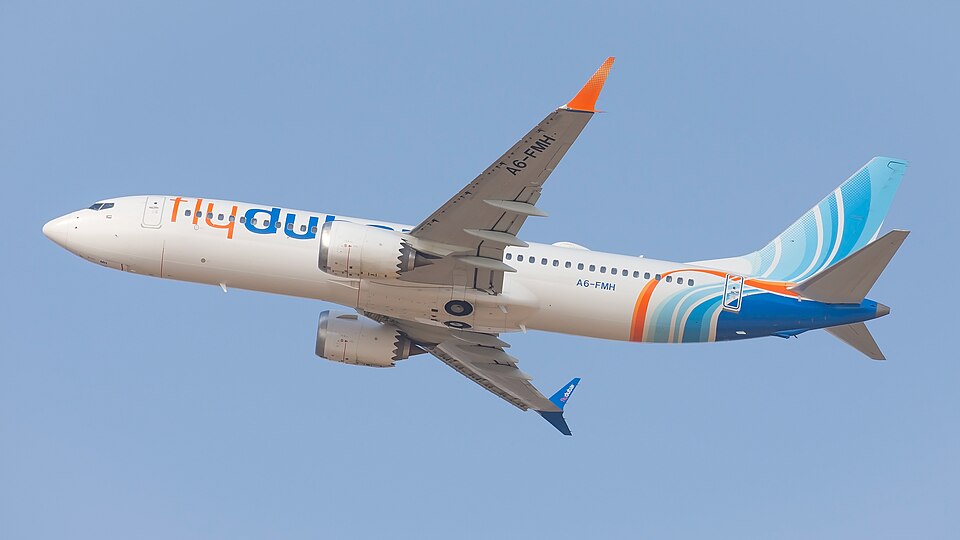
Commercial aviation relies entirely on an unwritten contract of trust behind a locked flight deck door. That contract shattered when a routine flight from Dubai to Tel Aviv turned into a terrifying physical struggle for survival.
UAE Attorney General Hamad Saif al-Shamsi confirmed that the violent cockpit incident aboard Flydubai flight FZ1073 was an intentional terrorist act. The co-pilot, identified as Omani national Hamam al-Hammami, used an emergency crash axe to assault the captain and attempt control of the aircraft while carrying 174 passengers overhead.
The Plunge and the Cockpit Struggle
Flight FZ1073 was cruising toward Israel when chaos erupted inside the flight deck. According to flight-tracking data, the aircraft plunged more than 16,000 feet in just over 30 seconds over Saudi airspace.
Captain Smit Machchhar, the Indian pilot flying the route, recounted the harrowing moments from a hospital bed in Abu Dhabi. While pinned to the floor after being stabbed and slashed with the emergency tool, Machchhar realized the plane was rapidly descending.
He managed to reach the cockpit door handle with his remaining energy, unlocking it just enough for alert passengers and crew members to rush inside. Passengers and reserve pilots on board tackled the co-pilot, restrained him, and stabilized the jet before it safely diverted for an emergency landing in Tabuk, Saudi Arabia.
Unanswered Questions Behind the Attack
Investigators are still piecing together the timeline and motivations behind al-Hammami's actions. Public records show al-Hammami previously flew for Oman Air and Royal Air Maroc before joining Flydubai. His social media presence vanished immediately following the incident, and regional leaders have pointed to radicalization as a core factor behind the sudden assault.
The incident highlights glaring vulnerabilities in modern aviation security protocols. Cockpit doors are engineered to keep external threats out, but they create a dangerous trap when the threat originates from inside the flight deck.
Airlines and international regulators now face intense pressure to reevaluate pilot vetting procedures, psychological screening standards, and internal flight deck access controls to ensure a tragedy like this never repeats itself.