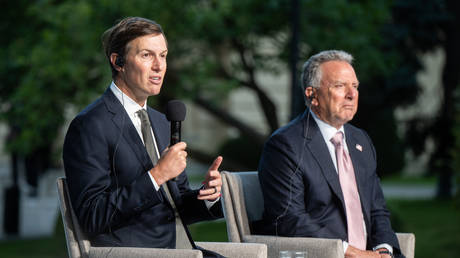
The first general election debate between Republican Mike Rogers and Democrat Abdul El-Sayed descended into chaos almost instantly. If you tuned into the Grand Rapids showdown expecting a polite exchange of policy proposals, you likely walked away stunned. The candidates spent the night trading fierce personal insults, clashing over surveillance technology, immigration, gas prices, and foreign policy without finding a single point of agreement.
In fact, the hostility ran so deep that the moderator noted he had never seen candidates continue arguing through a commercial break in thirty years of moderating debates. With the race to replace retiring Democratic Senator Gary Peters shaping up as a razor-thin toss-up that could decide the balance of power in Washington, both camps are fighting dirty.
Let's break down what actually happened on stage and why this toxic face-off matters for voters.
Personal Attacks Steal the Spotlight
Right out of the gate, the questions triggered an immediate barrage of insults. Mike Rogers went after Abdul El-Sayed's professional background and personal credibility, lobbing accusations regarding his medical credentials and citizenship history. "He's lying. So he lied about being a physician. He lied now about being an Egyptian citizen or not being an Egyptian citizen," Rogers charged during a heated exchange on stage, calling his opponent a con man.
El-Sayed, who holds a medical degree from Columbia University, dismissed the attacks immediately. He argued that Rogers was simply trying to distract voters from pocketbook issues affecting everyday families, such as soaring grocery and gas bills. "He wanted to make this about him or me. But the question is about you," El-Sayed fired back, pivoting to tie Rogers directly to Donald Trump's policy agenda.
The personal nature of the debate didn't stop on the stage. Just hours before the event, Trump targeted El-Sayed on social media, using inflammatory rhetoric about his background and faith. El-Sayed addressed the attacks head-on during and after the debate, framing them as an attempt to weaponize his name and religion to distract Michiganders from economic hardships.
Clashing on Foreign Policy and Trade
Beyond the personal fireworks, foreign policy and international trade dominated major blocks of the debate. Rogers faced scrutiny over his recent positions on the war in Iran and tariffs on Canada. After previously describing the conflict as a win-win scenario, Rogers defended his current push to bring the conflict to a fast conclusion, noting that he had recently contacted the administration to urge a deal and lower diesel and gas prices.
El-Sayed seized on those past comments, asking voters if anyone was truly winning the ongoing conflicts. When the questioning turned to the Middle East, El-Sayed declined to name whether Israel or Iran posed a greater threat to the United States, arguing that both entities proved dangerous in distinct ways and stating he opposed using tax dollars to subsidize foreign wars. Rogers reiterated his firm support for Israel and defensive military assistance.
Immigration enforcement also sparked intense disagreements. Rogers broke with the administration over federal immigration operations in Minnesota earlier this year, stating those specific enforcement efforts crossed a line and could have been handled differently.
Economic Pressures and Healthcare Showdowns
Voters tuning in for solutions to everyday inflation heard starkly different visions for the economy. El-Sayed defended his Medicare for All platform, emphasizing that anyone wanting to keep private insurance could do so while lower-income families gained broader protection. Rogers countered that the plan would wipe out existing private coverage and slap families with massive new tax hikes.
Financial disclosures and personal investments also became ammunition for both sides. Records show Rogers and his spouse hold a net worth between $7 million and $14 million, alongside a Florida property purchased in recent years. El-Sayed's net worth sits significantly lower, though scrutiny followed his mutual fund investments and past associations with controversial online commentators.
What Voters Should Do Next
If you're casting a ballot in Michigan this November, you are staring down a choice between two diametrically opposed political philosophies. Don't let the spectacle of personal insults distract you from the core policy differences on healthcare, taxation, and foreign intervention.
Look past the headlines and examine the voting records. Review the candidates' stances on prescription drug costs, local infrastructure, and federal spending. Pay close attention to the second scheduled debate in Detroit on October 21, where both candidates will get one final major platform to make their case before voters head to the polls.