History loves a sequel, especially when it involves presidential Twitter tantrums and federal lawsuits over press credentials. CNN, MS Now, and Politico just filed a lawsuit in the U.S. District Court for the District of Columbia after President Donald Trump banned their reporters from the White House. It is happening again.
If you followed the first Trump administration, this script feels completely recycled. Back then, it was Jim Acosta of CNN and Brian Karem of Playboy fighting to get their badges back after being locked out. Now, a trio of major outlets is taking the administration to court over First Amendment violations and Fifth Amendment due process failures. Meanwhile, you can explore related stories here: Why Friedrich Merz Is Barely Surviving German Politics Right Now.
Why did this happen? Friday night brought a surprise social media post declaring that these three organizations were locked out for broadcasting "fake news." By Saturday morning, reporters found their permanent credentials deactivated. Security turned them away at the gate.
The media organizations didn't blink. They teamed up, hired top-tier First Amendment lawyer Theodore J. Boutrous Jr., and filed an emergency complaint demanding a temporary restraining order. They want their access restored immediately. To see the full picture, check out the excellent article by Reuters.
What makes this round different is the immediate solidarity from the rest of the media ecosystem. Following the ban on CNN, the other networks that comprise the rotating White House television pool—ABC, CBS, NBC, and Fox News—did something unprecedented. They decided to halt their pooled video coverage of the president entirely. Fox News Washington bureau chief Bryan Boughton sent a memo to subscribers stating that the pool would refuse to cover designated presidential events because the White House prevented CNN from fulfilling its required duties.
Trump defended the move on Truth Social, writing that his actions constituted an assault on "fake news" rather than the free press itself. Vice President JD Vance echoed that sentiment, claiming the administration simply refuses to grant special building access to organizations engaging in propaganda.
Here is the legal reality check. The administration faces an uphill battle in federal court. Constitutional precedent is firmly against them on this point. Once a government opens a forum to the press, it cannot arbitrarily strip credentials away purely because officials dislike the viewpoint of the coverage. Previous rulings during Trump’s first term established clear boundaries protecting reporters from retaliatory bans. Judges tend to view arbitrary credential revocation as a clear violation of free speech.
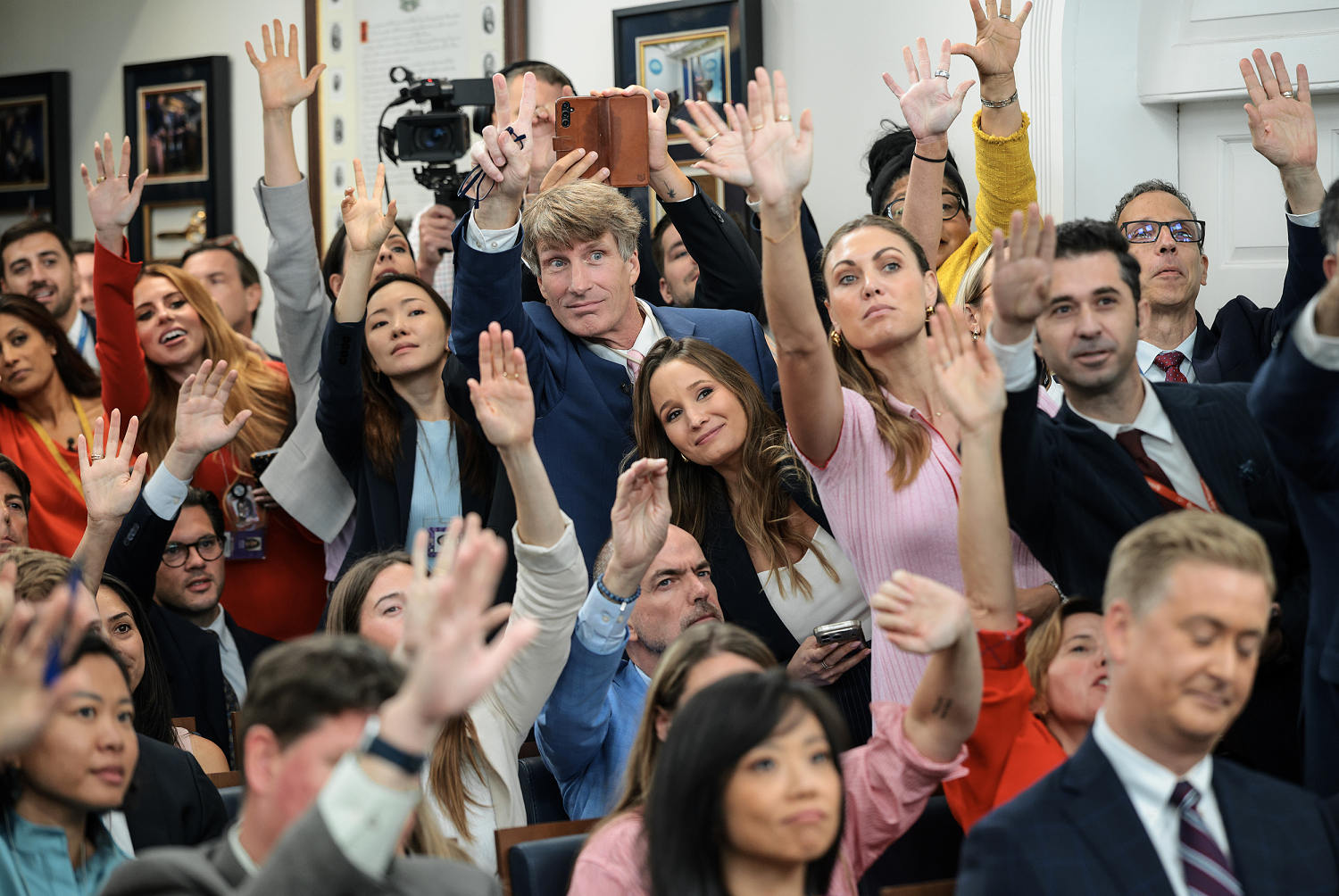
Beyond the courtroom drama, the practical fallout is messy. The White House has increasingly welcomed digital influencers and alternative bloggers into the briefing room while shoving mainstream outlets out. That shift changes the entire information pipeline coming out of Washington.
The immediate next steps are clear. Federal Judge Timothy J. Kelly or another district judge will weigh the emergency request for a temporary restraining order this week. If past is prologue, the administration will likely find its ban blocked while the core litigation moves forward. Watch the court docket closely over the next forty-eight hours.