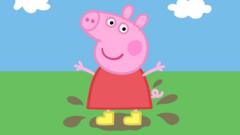
If you spend any time around toddlers, you know the absolute chokehold certain cartoon characters have on screens. For years, young children bounced between the adventures of a certain muddy-puddle-loving pig and a cheerful young wolf named Wolfoo. But that cartoon crossover in your living room just hit a massive legal wall.
The corporate owners of Peppa Pig, including entertainment giant Hasbro and creators Astley Baker Davies, just secured a definitive high court victory in London against SConnect, the Vietnamese studio behind Wolfoo. This wasn't a minor slap on the wrist. A judge ordered every single Wolfoo video featuring the infringement stripped from online platforms.
Let's look at what actually happened behind the headlines.
The Audio Trail That Gave the Game Away
Copyright battles in animation usually drag on for years over vague claims of artistic style. Studios argue about whether a snout looks too round or if an art style feels too familiar. But this case came down to cold, hard audio evidence.
Hasbro's legal team didn't just guess that Wolfoo was borrowing from its famous stablemate. They used detailed spectrogram analysis. Experts compared audio tracks across hundreds of episodes. The results were staggering.
The court found that English-language Wolfoo videos routinely embedded direct sound recordings from Peppa Pig. We are talking about basic character exclamations like joyful shouts and grunts, lifted straight from the original episodes and pasted into the wolf's adventures.
Justice Richard Smith didn't mince words in his ruling. He pointed out that the copying was extensive and endemic. When you have audio matches popping up across dozens of English-language episodes and a vast percentage of foreign-language versions, coincidence goes out the window.
Why the Defense Fell Apart
SConnect tried multiple angles to fend off the lawsuit. They argued that the UK courts shouldn't have jurisdiction, pointing fingers at other markets. They also threw an intermediary third-party contractor under the bus, claiming a supplier named Mr. Khoa had snuck the audio clips into the production without anyone noticing.
The London High Court wasn't buying it.
Under UK intellectual property law, liability for copyright infringement and communication to the public is strict. It doesn't matter if an outside contractor slipped the audio file into the timeline. If your commercial product broadcasts copyrighted material to a global audience—including a targeted UK viewership via YouTube—you are on the hook.
The judge granted summary judgment because the defendants had no realistic defense against the physical proof of the audio matches.
The Bigger Picture for Kid-Targeted Content
Parents often assume that big media companies just fight over petty rivalry. But this ruling highlights a massive issue in the modern digital attention economy.
Content farms and rapid-production animation studios have spent years churning out lookalike characters designed to exploit YouTube's recommendation algorithms. When a toddler finishes watching an official Peppa Pig episode, autoplay pipelines love to serve up visually and audibly similar knockoffs.
By building characters with parallel aesthetic styles and sneaking in literal audio assets, these channels captured hundreds of millions of views. They basically hijacked an existing audience's habits.
This judgment sets a massive precedent. It proves that rights holders can track down digital copyright theft even when it spans international borders. Automated content scraping and audio cloning on massive video platforms are facing real accountability.
If you create content, the message is simple. Shortcuts will catch up to you.
Check your production pipelines, audit your audio libraries, and stop trying to trick toddler algorithms with borrowed assets. The era of the digital copycat just got a lot harder to survive.