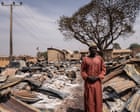
Nigerian security forces just pulled off the largest single-day hostage recovery in the country's modern history. Joint operations freed 308 kidnapped individuals from the dense wilderness of the Kainji Lake National Park Forest, turning a corner in a crisis that has plagued West Africa for years.
President Bola Ahmed Tinubu hailed the operation as a major turning point. But what does this massive breakthrough actually mean for the millions living under the constant threat of militant violence and criminal gangs? Let's break down the reality behind the headlines.
Inside the Operation That Freed 308 Captives
The numbers tell a harrowing story of mass abductions. Out of the 308 freed citizens, 163 individuals had endured months of captivity after being seized during a brutal February raid on the village of Woro in Kwara State. Another 145 victims were rescued after being taken in separate attacks across neighboring Niger State.
The joint rescue mission brought together the Nigerian military, the Department of State Services, the police, and the National Counter-Terrorism Centre. Instead of disjointed units stepping on each other's toes, this intelligence-led offensive used coordinated pressure to crack open deep forest hideouts. The survivors are currently undergoing medical evaluations at military installations like the Wawa Cantonment before returning to their families.
Why Nigerian Forests Became Outlaw Havens
If you want to understand why kidnapping for ransom became a multi-million-dollar enterprise in Nigeria, look at a map of the country's geography. Sprawling, sparsely governed terrain like the Kainji Lake National Park provides ideal cover for armed groups.
Criminal syndicates, splinter jihadist factions, and non-ideological bandits use these thick shrublands as permanent bases. They strike vulnerable rural communities, retreat deep into the canopy, and demand heavy payouts. Between July 2024 and June 2025 alone, independent tracking by Lagos-based consultancy SBM Intelligence estimated that ransom payments raked in roughly $1.66 million.
When the state has little physical presence in remote areas, outlaws operate with near impunity. That is why clearing these forest camps matters more than temporary crackdowns on highways.
The Lingering Questions No One Wants to Answer
Major military breakthroughs always leave critical gaps in the narrative. Local community leaders and independent monitors have raised valid questions about the exact mechanics of this release.
Were the captives abandoned as troops closed in, or did a fierce gunfight force the militants to flee? Did negotiations play a role behind the scenes, despite official framing emphasizing pure tactical dominance? Government spokesmen have kept specific tactical details under wraps for security reasons. Transparency remains limited, which keeps local skepticism alive.
Families who spent months wondering if their loved ones were alive or dead care less about the PR and more about long-term safety. A single successful operation doesn't erase the ongoing threats in places like Zamfara state, where separate raids continue to target rural populations.
What Needs to Happen Next
Reclaiming forests from armed groups is only step one. If security forces pull back, militants will simply return once the dust settles.
Permanent forward operating bases must be established inside these massive national parks and reserves. Intelligence sharing between local police and federal counter-terrorism units has to remain aggressive and uninterrupted. Without sustained economic support and local policing in vulnerable agrarian belts, communities like Woro will remain targets.
This rescue proves that coordinated state power can deliver results when agencies stop working in silos. Now comes the hard part: holding the ground.