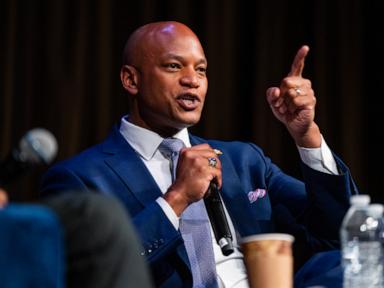
State leaders are sounding alarms. Maryland Governor Wes Moore recently stepped into his new role leading the National Governors Association with a blunt warning about federal overreach. He is deeply worried that the White House will meddle in the upcoming midterm elections.
When top executives start publicly questioning the safety of the ballot box, it signals a deeper friction point between state capitals and Washington.
The Core Fears Driving State Leaders
What exactly has state leadership worried? It comes down to control. The U.S. Constitution explicitly assigns election administration to the states. Yet, federal pressure keeps mounting.
Governor Moore pointed directly to specific pressure points during an interview in Oklahoma City. He noted active efforts to restrict voting by mail, aggressive attempts by federal authorities to obtain state voter data, and the chilling prospect of federal agents or troops near polling places.
"I don't think that the president is trying to hide the ball on this," Moore stated. He added that his concern isn't just theoretical. He believes executive interference is already happening in broad daylight.
Rising National Profiles and Political Stakes
Timing matters in politics. Moore takes the helm of the National Governors Association just as speculation about a 2028 presidential run intensifies. The 47-year-old Maryland Democrat steps into a leadership seat previously occupied by figures like Bill Clinton.
While Moore publicly dismisses talk of a White House bid—stating he refuses to get distracted before November—his travel schedule tells a different story. Visits to early voting testing grounds like Nevada and South Carolina keep the rumor mill spinning.
Even so, his immediate challenge is managing a fractured bipartisan organization. Tensions between red and blue states run hot. When governors gather, the veneer of cooperation often masks fierce disagreements over federal mandates and local autonomy.
The Push for Service and Bipartisan Friction
Aside from election security, Moore is using his new platform to launch a national service initiative called "Service United". Backed by millions in philanthropic funding, the program aims to connect young people with workforce apprenticeships and community service projects.
Outgoing NGA chair and Oklahoma Governor Kevin Stitt, a Republican, offered praise for the apprenticeship model. However, Stitt quickly drew a line against heavy-handed federal programs. That split highlights the exact tightrope Moore must walk. He has to pitch collaborative solutions while fighting what he views as executive attempts to sideline state authority over local workforces and elections.
The coming months will test whether bipartisan groups can push back against federal encroachment or if the midterms will transform into a chaotic proxy war between Washington and state election boards. Watch how state legislatures respond to federal data requests in the weeks ahead.