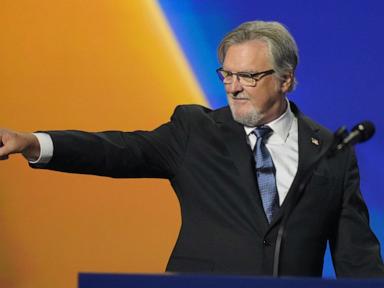
Long before Marty O'Donnell wanted to represent a Nevada district in Congress, he built a reputation as the award-winning composer behind the iconic "Halo" video game franchise. Fans loved his music. They flooded into his online spaces to talk gaming, share memes, and build a community around the developer legend.
Then O'Donnell jumped into real-world politics, aiming to unseat a Democratic incumbent in Las Vegas. Instead of starting fresh campaign infrastructure, he repurposed his existing fan base—dubbed "The Marty Army"—into a political organizing hub, styling himself as its "benevolent dictator."
It turned into an absolute disaster. An Associated Press review of thousands of posts on O'Donnell's online forum uncovered a toxic swamp filled with racial slurs, Nazi sympathy, and white nationalist conspiracy theories. When you try to weld an unmoderated gaming chat room directly onto a high-stakes congressional run, you invite massive liabilities. That's exactly what happened here.
What Was Actually Found Inside the Forum
The AP didn't just find a few mildly edgy comments or standard internet trash-talk. The review pulled up explicit hate speech that would give any seasoned political consultant nightmares.
Users posted statements like "Heil Hitler" and asked blatant questions such as "Was Hitler really an evil guy?" Wendy Melillo, an associate professor of journalism at American University who studies extremist chat rooms, noted that explicit declarations of Nazi praise are undeniably coded antisemitic hate speech.
Even when O'Donnell tried laying down the law, it didn't work. In the spring, he warned users that any hint of antisemitism would result in an immediate ban. How did his loyal forum members respond? They fired back with an exaggerated nose emoji—a well-known antisemitic trope—alongside the Yiddish term "goy."
Members of the community weren't blind to the danger, either. Back in 2024, one user openly wrote on the server that O'Donnell's political career could face serious trouble "if someone does a vulnerability study and they find this server." They knew what was lurking in the chat logs all along.
The Campaign Response and Damage Control
Faced with mounting scrutiny, the O'Donnell campaign went into defense mode. Campaign spokesman Keith Schipper insisted that O'Donnell "has zero tolerance for hate." According to the campaign, they even assigned a dedicated staffer to monitor the forum and clean up the vitriol, resulting in nearly 200 user bans.
O'Donnell himself tried to downplay the broader cultural reality, telling a conservative outlet that he was entirely unaware of any resurgence in antisemitism. Yet this isn't his first brush with extremist controversy. Earlier in the election cycle, he faced intense scrutiny after hosting a far-right influencer who held known Nazi sympathies on his own podcast.
When candidates try to bridge the gap between niche internet subcultures and mainstream legislative bids, vetting your own digital backyard is non-negotiable. If you let a toxic ecosystem fester for years, you can't just flip a switch and pretend it doesn't exist when reporters start pulling receipts.
Why This Matters for Modern Campaigns
Digital organizing is a core pillar of modern politics. Every campaign wants an engaged, grassroots army ready to mobilize, donate, and flood social media. But there's a massive difference between a disciplined volunteer network and an uncurated Discord or forum server born out of the gaming underground.
When you style yourself as a "benevolent dictator" of a digital community, you own the culture that community creates. You can't reap the rewards of built-in fan loyalty while dodging accountability for the garbage posted on the message boards bearing your name.
Voters in crucial swing districts pay attention to how candidates manage their organizations. Neglecting basic oversight of your own supporters turns a fun nostalgic brand into an unforced campaign crisis.