Winter in Winnipeg hits hard. You already know that if you live here. We spend months dodging brutal freezes, cranking our heating bills to their absolute limits, and wondering why keeping our homes warm has to cost a small fortune.
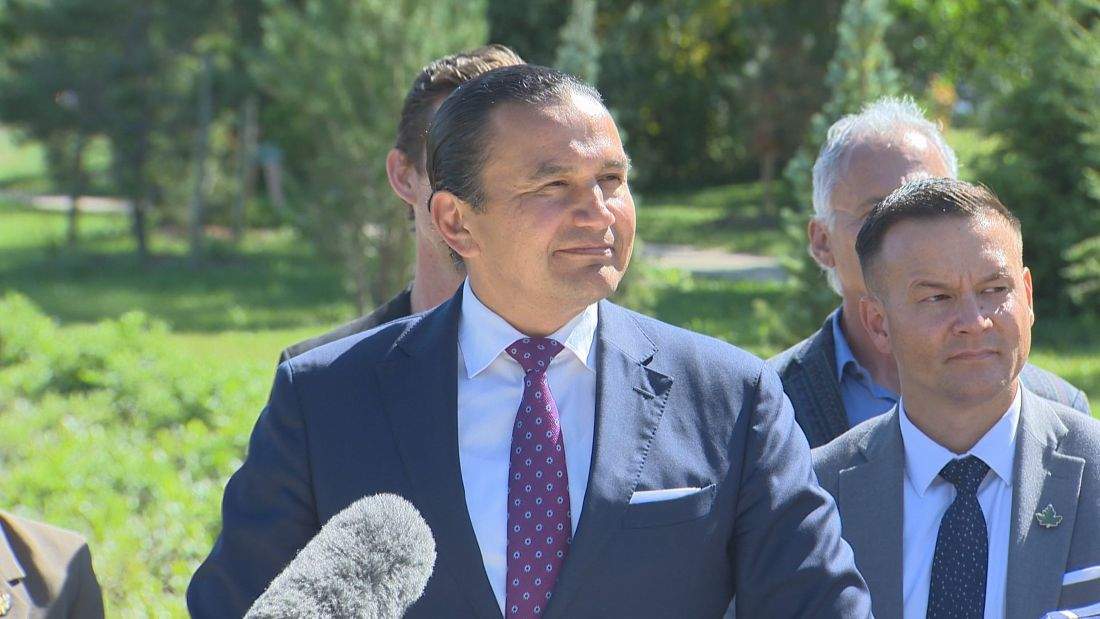
Premier Wab Kinew and his government just threw down a $4 million bet to change how we think about urban heating. They are funding a massive district geothermal heating system for Southwood Circle, the massive mixed-use development taking shape right next to the University of Manitoba.
Instead of relying on conventional gas boilers or standard individual heating units, this new development will tap directly into the earth. It pulls thermal energy straight from the ground through a shared distribution loop, serving around 1,000 homes, condos, townhouses, and commercial spaces.
You can crank up your thermostat while your monthly utility costs actually go down. That is the pitch. But does a localized pilot project near a university campus solve the broader climate puzzle for an entire province?
What the Net Zero Action Plan Actually Proposes
The Southwood Circle project isn't happening in a vacuum. Environment and Climate Change Minister Mike Moyes rolled out Manitoba’s official Net Zero Action Plan alongside the funding announcement. The province aims for net-zero emissions by 2050, laying out 90 specific actions meant to be tackled over the next three years.
To make that happen, the government has earmarked roughly $350 million in total funding. About $55 million of that is heading straight out the door as grants for industry players, agricultural producers, First Nations communities, and nonprofits.
Here is what the plan actually tries to fix:
- Transparency on interim greenhouse gas reduction targets.
- Setting up a specialized Climate Change Committee of Cabinet.
- Scrubbing existing provincial laws that contradict future emission goals.
- Annual reviews to make sure bureaucrats don't stall out.
Manitoba currently accounts for roughly 3 percent of Canada’s total national emissions, sitting at 21.3 megatonnes of carbon dioxide equivalent as of 2023. Critics often argue that punching above our weight in green rhetoric doesn't mean much until heavy industry and aging infrastructure catch up.
The Real Challenge With Geothermal in Manitoba
Let’s be honest about geothermal tech in the Prairies. It sounds great on paper, but standard residential geothermal systems have faced an uphill battle here for years. Deep winter freezes mean the ground takes a massive beating, and initial installation costs can scare away developers who care more about short-term profit margins than long-term environmental payoffs.
District systems change the math because they share the infrastructure burden. Instead of every single homeowner drilling their own expensive deep wells, a centralized loop handles the heavy lifting. If this model scales successfully at Southwood Circle, it creates a blueprint for other urban expansions across Winnipeg and beyond.
وزیر Moyes admitted that hitting these targets won't just be about grabbing low-hanging fruit. They have to overhaul sectors that traditionally resist change.
If you're buying into a new development or watching urban planning trends shift in Manitoba, keep a close eye on how this district heating network performs through its first real January freeze. That will tell you whether clean heat is a genuine turning point or just another political talking point.