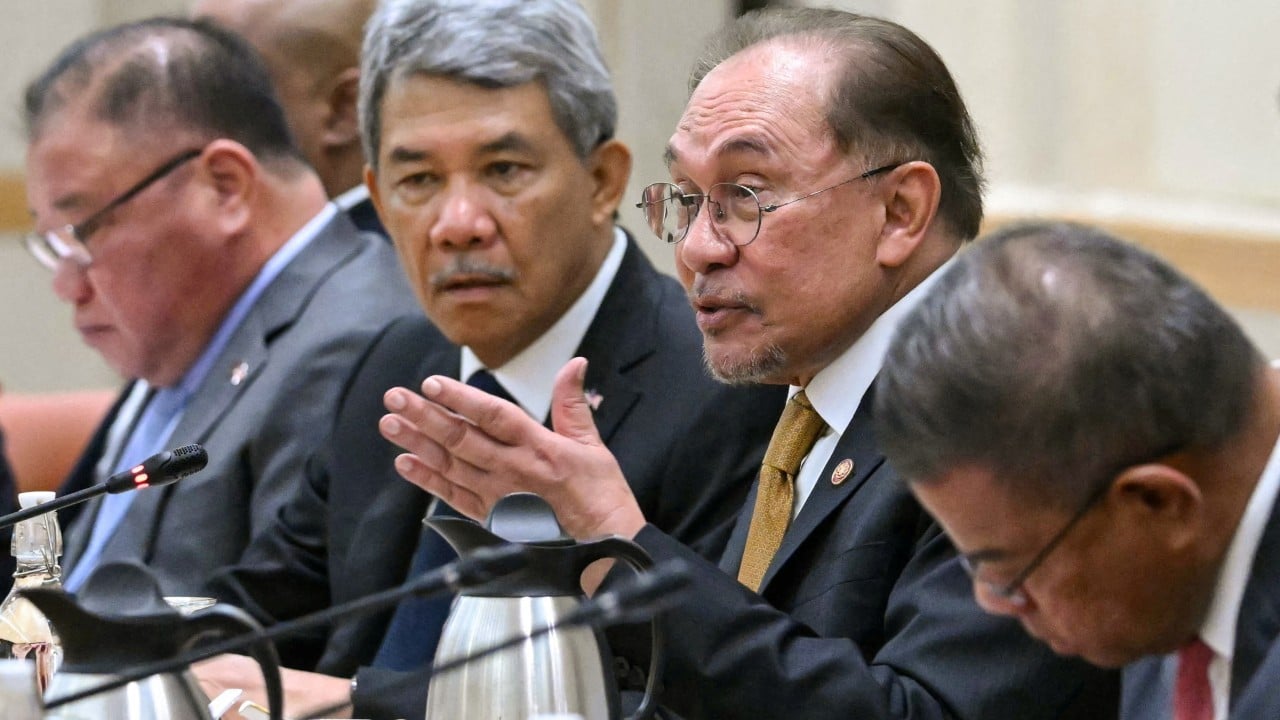
Malaysian Prime Minister Anwar Ibrahim is walking a political tightrope, and everyone knows it. When a government posts solid economic numbers—like a second-quarter GDP growth rate touching 6 percent—citizens expect immediate relief in their wallets. Instead, public frustration has grown louder. Opposition voices are gaining traction, local election losses are piling up, and households are feeling the heavy squeeze of everyday expenses.
Anwar recently stepped up to announce a series of six immediate relief measures to counter this political pressure. But are these quick fixes enough to save his coalition's reform agenda, or is it too little, too late? Let's look at what is actually happening on the ground.
Breaking Down the New Cost of Living Relief Package
You cannot fix economic anxiety with empty rhetoric, and the administration knows it. The newly unveiled measures target specific pressure points that have irritated voters for months.
First, petrol subsidies are getting a quick adjustment. The basic monthly eligibility for the Budi MADANI RON95 (BUDI95) programme has bounced back up to 300 litres per month, an increase from the tighter 200-litre limit set earlier. More than 16 million users rely on this scheme. Diesel vehicle owners driving pickup trucks and four-wheel drives are also seeing quotas raised up to 400 litres monthly.
At the same time, the government is pumping money into social sectors:
- School maintenance allocations for 2027 are jumping by 50 percent to reach RM1.5 billion, covering national, religious, and vernacular schools.
- Public healthcare digitalisation is receiving an injection of RM1 billion via the Malaysian Communications and Multimedia Commission to overhaul Electronic Medical Records.
- Microfinancing facilities are getting a boost, scaling total funding up to RM6 billion alongside a fresh RM200 million allocation for night market traders and home-based businesses.
- Small businesses with annual sales under RM3 million are now exempt from e-invoicing mandates, easing a major administrative headache.
These steps are designed to inject liquidity directly where people feel the pinch. Yet, critics argue these interventions are reactive, driven by sliding poll numbers rather than long-term economic strategy.
Why Political Pressure Is Mounting on Anwar
Economic metrics don't vote; people do. Even though Malaysia's macroeconomic indicators look healthy on paper, everyday families are wrestling with high baseline costs. Global supply chain shifts, currency fluctuations, and subsidy rationalization efforts have taken a toll.
Anwar's unity government has struggled to maintain its reformist sheen. The coalition has suffered consecutive regional election defeats, signaling voter fatigue. Opposition groups are capitalizing on these cracks, framing the administration as slow to deliver on sweeping anti-corruption and economic promises.
When you promise systemic reform, people expect structural changes. When they get administrative tweaks instead, disappointment follows. Anwar himself admitted that the government isn't pretending to have solved all systemic issues, noting that the cabinet remains open to listening to public grievances.
The Fiscal Dilemma Behind the Subsidies
Handing out financial relief is easy; paying for it sustainably is an entirely different battle. Malaysia's public expenditure on direct subsidies has historically hovered near staggering heights, with petrol and diesel subsidies alone chewing through roughly RM40 billion.
Anwar has openly warned government ministries against adopting a blank-cheque approach. You simply cannot throw infinite public funds at every single crisis without breaking the national budget. Balancing fiscal discipline with populist demands requires precise surgical execution, not sweeping handouts.
To bridge this gap, the administration is channeling funds recovered from high-profile anti-corruption legal proceedings directly back into health and education programs. It's a clever political pivot, turning recovered illicit assets into tangible public goods. However, corruption asset recovery takes time, and voters want immediate financial breathing room today.
What Happens Next in Malaysian Politics
The upcoming Budget 2027 will serve as the ultimate litmus test for Anwar's administration. If the upcoming fiscal plan fails to address structural income stagnation while keeping inflation under control, opposition momentum will only accelerate.
State and regional outcomes are acting as an early warning system ahead of national polling cycles. If you are watching Malaysian politics closely, keep an eye on how effectively these new micro-grants and fuel quotas reach actual recipients on the ground. Implementation speed will make or break these policies.
Stop expecting overnight miracles from coalition politics. Real economic reform is messy, slow, and constantly negotiated under fire.