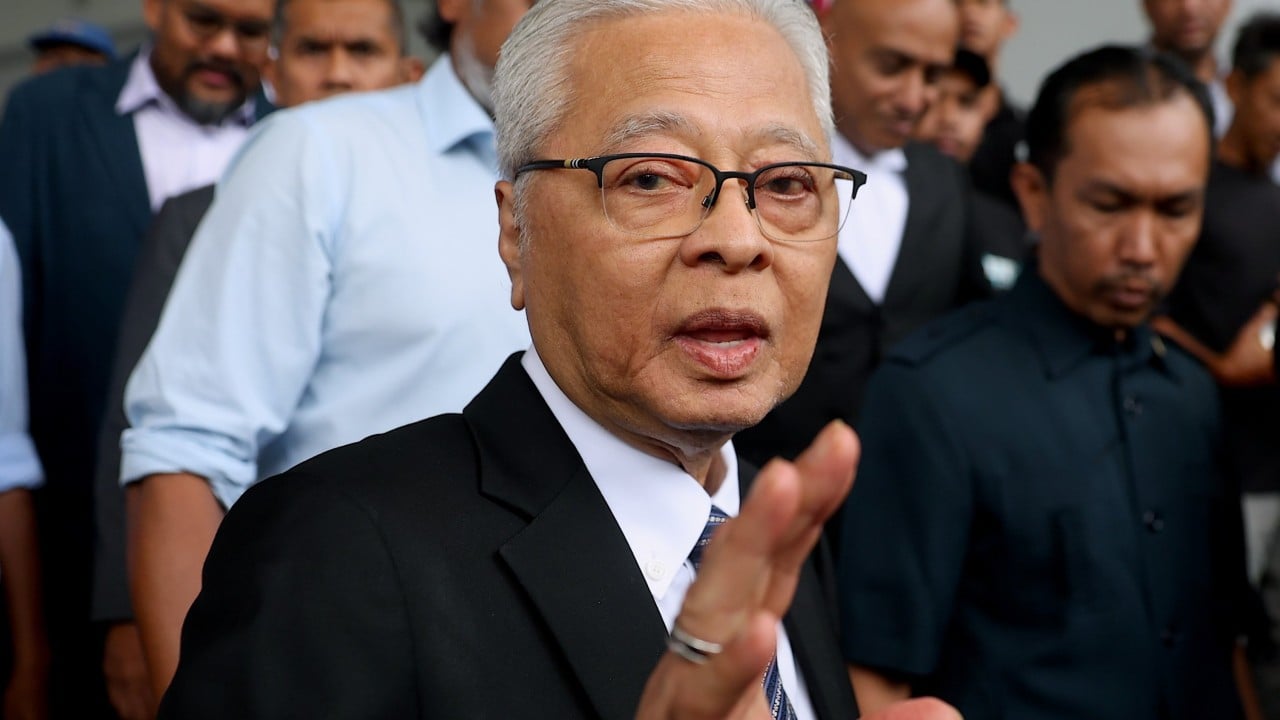
Another week, another former Malaysian prime minister marching into a courtroom.
Ismail Sabri Yaakob just became the third former premier in the country to face criminal charges after leaving office. Standing before a Kuala Lumpur sessions court judge, he pleaded not guilty to failing to declare millions in cash spanning multiple foreign currencies, ringgit, and precious metals like gold bars.
If you've been casually tracking Southeast Asian politics, you're probably wondering how standard asset declaration notices turned into a high-stakes criminal battle involving nearly $40 million worth of holdings. Let's break down what's actually happening behind the headlines.
The Charges and the Cash
The Malaysian Anti-Corruption Commission, widely known as the MACC, didn't pull these accusations out of thin air. Back in February of last year, investigators slapped Ismail Sabri with a formal notice to disclose his wealth. The subsequent charge sheet claims he failed to fully comply.
We are talking about a massive ledger of undeclared funds. The list includes roughly 14.77 million ringgit, alongside millions in Singapore dollars, US dollars, Swiss francs, euros, Japanese yen, British pounds, New Zealand dollars, UAE dirhams, and Australian dollars. Oh, and let's not forget the physical assets: five Suisse Fine gold bars, a silver bar, and a gold coin.
Investigators originally opened the floodgates of this probe while chasing down how roughly 700 million ringgit in government funds was spent. Specifically, they looked into the financial footprint of the "Keluarga Malaysia" (Malaysian Family) promotional campaign launched during his 15-month tenure as prime minister. Earlier raids on properties tied to the investigation allegedly netted staggering amounts of cash and around 16 kilograms of gold bars hidden away in makeshift safe houses.
What the Defense is Saying
Ismail Sabri’s legal team isn't backing down. Led by prominent defense counsel Amer Hamzah Arshad, they hit back immediately after the court appearance, signaling that they intend to challenge the core validity of the prosecution.
The defense strategy hinges heavily on questioning the propriety and exact legality of the asset declaration notice itself. They argue that the charge essentially boils down to an administrative dispute over compliance rather than an outright conviction of corruption.
The judge granted bail at 300,000 ringgit and notably chose not to confiscate his passport, dismissing arguments that he represented an immediate flight risk. The court set the next case management date for late September, giving both sides a narrow window to prepare their legal maneuvers.
The Bigger Picture for Malaysian Politics
Malaysia is carving out a reputation for holding its top leaders accountable, whether they served for decades or just a few months. Ismail Sabri holds the title of the country's shortest-serving prime minister, holding office from August 2021 to November 2022 during a volatile era of shifting coalitions.
Now, he joins a growing club that features Najib Razak—currently serving time for 1MDB-related convictions—and Muhyiddin Yassin, who has also faced corruption scrutiny.
Under Section 36(2) of the MACC Act, a conviction carries a maximum penalty of five years in prison alongside a 100,000 ringgit fine. Beyond the personal legal jeopardy, this trial sends a loud message to current public officials. Anti-graft authorities are sharpening their focus on asset transparency, meaning hidden stashes of foreign currency and precious metals will face intense institutional scrutiny long after politicians leave office. Keep an eye on the courtroom developments as September approaches because this legal showdown is far from over.