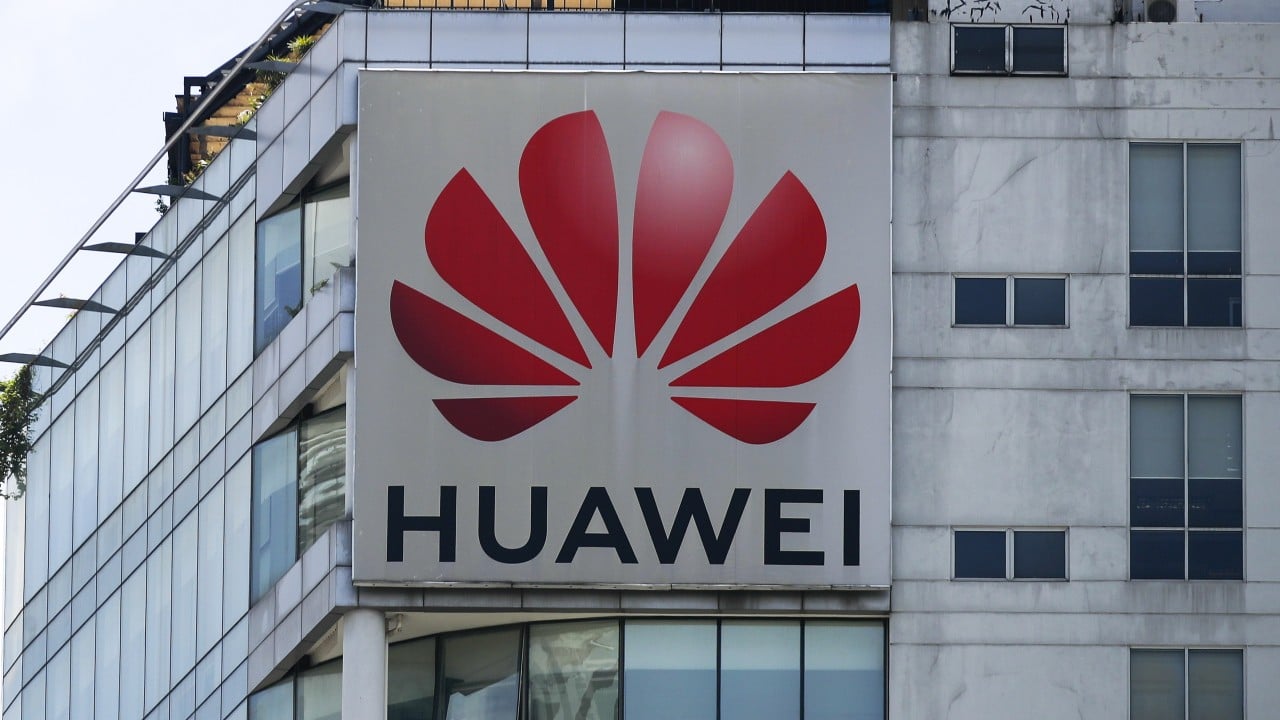
Everybody wants a piece of the artificial intelligence pie. Very few nations, however, want to get caught in the middle of a superpowers' brawl while trying to build it. Malaysia is finding this out the hard way. A potential sovereign tech move involving Huawei has Kuala Lumpur walking a tightrope. It's a high-stakes gamble that exposes the messy reality of modern geopolitics.
Let's look at the actual numbers. We are talking about a massive US$494 million sovereign AI project. When you dangle a price tag that big in front of local planners, economic logic usually wins. But this isn't just about spreadsheets or server racks. It is about a bitter, unrelenting technological turf war between Washington and Beijing.
Choosing Chinese hardware for critical infrastructure isn't a neutral administrative choice anymore. It's a loud geopolitical statement.
The Real Cost of Non-Aligned Ambitions
Most Southeast Asian nations want to play both sides, and honestly, who can blame them? American cloud providers bring unmatched software ecosystems, while Chinese infrastructure players offer aggressive pricing, rapid deployment, and hardware that bypasses strict Western export controls.
Yet, Washington isn't feeling charitable about neutral positioning. American trade officials view any significant infrastructure win for Chinese tech giants as a direct security threat.
If Kuala Lumpur moves forward with Huawei chips for its national compute initiatives, it risks triggering severe blowback. We could see trade pact pressures mount instantly. Export control compliance isn't a suggestion; it's a rigid framework designed to choke off technological alternatives.
Why Sovereign AI Changes the Game
Building a sovereign AI capability means a country wants to control its own data, models, and destiny. Malaysia isn't alone. Across the region, data centres are popping up like weeds. Cheap land, cool climates, and massive foreign direct investment have turned the country into a regional data hub.
Here is what most casual observers miss. Local leaders don't care about Washington's export blacklists if Western vendors fail to offer competitive, localized solutions at scale. Chinese hardware providers understand this vacuum. They step in with custom configurations that fit local budgets.
At the same time, aligning too closely with restricted Chinese vendors puts broader trade relationships in jeopardy. Bilateral trade agreements with Western partners often include clauses regarding technology transfer and security compliance. Breaching those unwritten expectations carries a heavy toll.
Navigating the Trap
You can't appease everyone in a zero-sum tech market. Policymakers in Kuala Lumpur face a stark reality check.
- Diversify supply chains aggressively instead of putting all sovereign compute eggs in one geopolitical basket.
- Audit every component of national data infrastructure to anticipate Western compliance crackdowns before they hit corporate balance sheets.
- Separate commercial tech adoption from strategic national security assets to avoid broad-brush sanctions.
The pressure from Washington will only intensify as the race for compute supremacy accelerates. Ignoring the political cost of hardware choices is no longer an option.