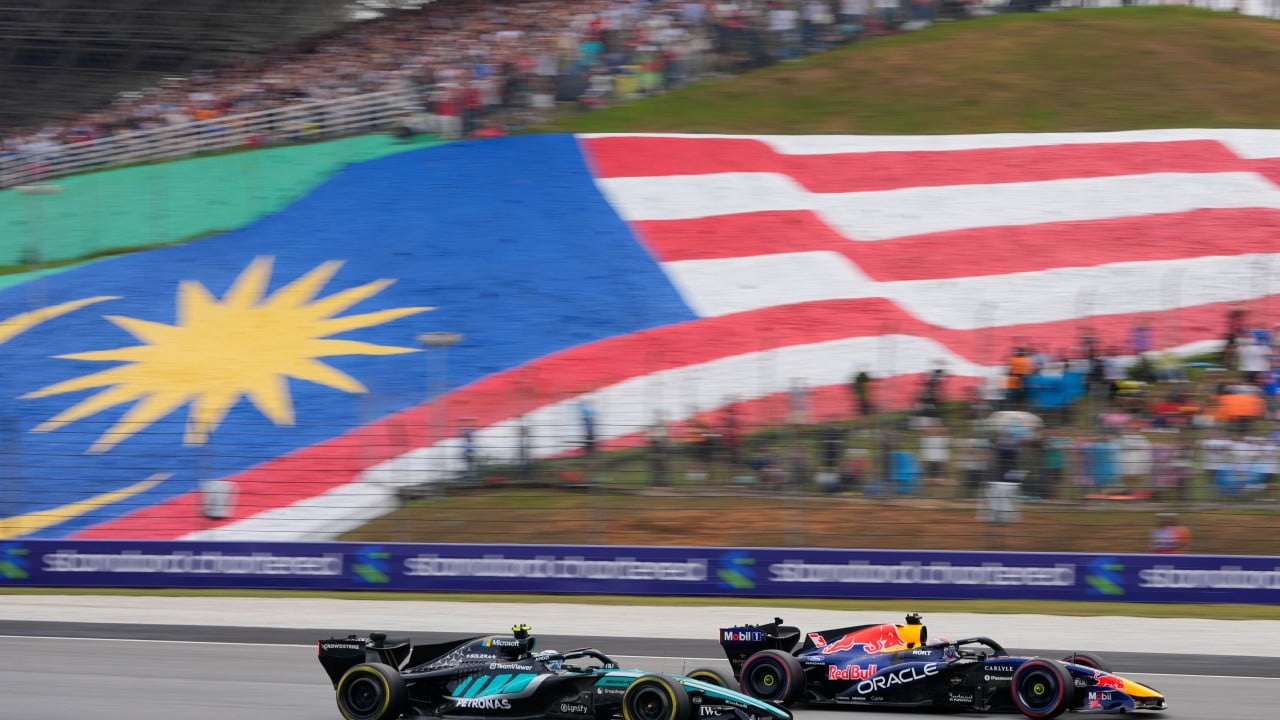
More than 260,000 fans packed the Sepang International Circuit for the relocated Bahrain Grand Prix, proving that local appetite for Formula 1 hasn't faded one bit since the race left in 2017. But thousands of those spectators spent up to six hours trapped in gridlock, walking emergency highway lanes, and chasing shuttle buses like extras in a zombie movie.
When you relocate a massive global sporting event at short notice because of security issues in the Persian Gulf, logistical nightmares are bound to happen. Yet, government officials and local fans are already pushing hard for a permanent F1 comeback. Is a full-time return realistic, or are organizers ignoring the glaring red flags raised during race weekend? Meanwhile, you can find other events here: Why The Teen Stars Of The 2026 Asian Games Just Rewrote The Sports Rulebook.
Let's look past the glossy PR statements and examine what actually went down at Sepang, why the track remains a crown jewel of motorsport, and whether Malaysia can realistically handle a permanent spot on the crowded F1 calendar.
The Sepang Magic That Keeps Drivers and Fans Hooked
You can't talk about Sepang without acknowledging its status as a legendary track. Built in 1999, the circuit set a gold standard for modern grand prix design. Its wide layout, sweeping high-speed corners, and brutal local humidity test driver fitness and car reliability to the absolute limit. To see the full picture, we recommend the recent analysis by FOX Sports.
Drivers love it. Fans love it. When a sudden tropical downpour triggered a delayed start, software glitches, and intense wet-to-dry strategy shifts for the 2026 Bahrain Grand Prix, the circuit delivered pure, unpredictable drama. Max Verstappen drove brilliantly to claim his first win of the season, reminding everyone why racing in Malaysia is always a spectacle.
Between 1999 and 2017, the Malaysian Grand Prix was a staple of the calendar. It only dropped off because hosting fees spiked while ticket sales and tourism returns plateaued. Now, with the sport experiencing a massive global boom driven by younger audiences and Netflix's Drive to Survive, the local fan base has exploded.
The Ugly Reality of Sudden Relocation and Transport Chaos
Honesty time: the operational execution of the race weekend was an absolute disaster for attendees.
If you were one of the fans who paid good money for a ticket only to wait hours for shuttle buses that never showed up due to horrific traffic jams, you wouldn't care about the history of the track. Social media blew up with complaints about zero crowd management, clueless security personnel, and broken drinking water stations under a punishing sun. Thousands were stranded near the circuit late into the night, forcing some to walk miles toward nearby outlet malls or the airport just to find a ride.
Rapid KL and event organizers pointed to the extremely short preparation window forced by the emergency relocation from Bahrain. That excuse holds some weight. Organizing a modern F1 event takes months of meticulous planning regarding traffic diversion, public transit capacity, and crowd flow. Throwing a massive international event together in weeks is a recipe for gridlock.
However, blaming short notice only goes so far. Basic crowd management basics—like functional queue lines, reliable bus frequencies, and clear communication—shouldn't vanish just because a calendar changes.
Can Malaysia Actually Afford a Permanent F1 Return?
The enthusiasm is real, but economics dictate everything in Formula 1.
Bringing the grand prix back permanently isn't just about a cabinet discussion or popular public sentiment. F1's commercial rights holders operate a packed calendar stretching across 24 races, locked into long-term contracts with promoters who pay hundreds of millions in hosting fees. Finding an open slot means displacing another venue, or expanding an already grueling schedule that team personnel constantly complain about.
Furthermore, the Malaysian government must weigh the massive capital investment required to upgrade Sepang's aging facilities against direct economic returns. Hosting F1 is expensive. Without substantial corporate sponsorship and tourism subsidies, it quickly becomes a fiscal drain—which is precisely why the country walked away in 2017.
Yet, the 2026 emergency weekend proved that local demand exists on a scale organizers hadn't anticipated. Drawing over a quarter of a million people across the weekend proves that ticket revenue and regional tourism can hit high marks if managed correctly.
What Needs to Change Before F1 Commits Long-Term
If Malaysia genuinely wants a permanent spot on the F1 grid, authorities cannot rely on nostalgia. They need a complete overhaul of infrastructure management.
- Overhaul Public Transit: Dedicated bus lanes must be strictly enforced, and fleet sizes need to double to handle peak exit times.
- Upgrade Venue Amenities: Water stations, shade structures, and food vendor capacity must match modern event standards to prevent fan burnout.
- Streamline Access Points: Traffic flow bottlenecks around the surrounding highway networks require better coordination between federal police, local authorities, and private transport providers.
Sepang remains a world-class racing circuit trapped by temporary operational failures. If the government and track operators fix the logistical rot exposed during this year's chaotic weekend, a permanent comeback isn't just a pipe dream. It's a smart bet.