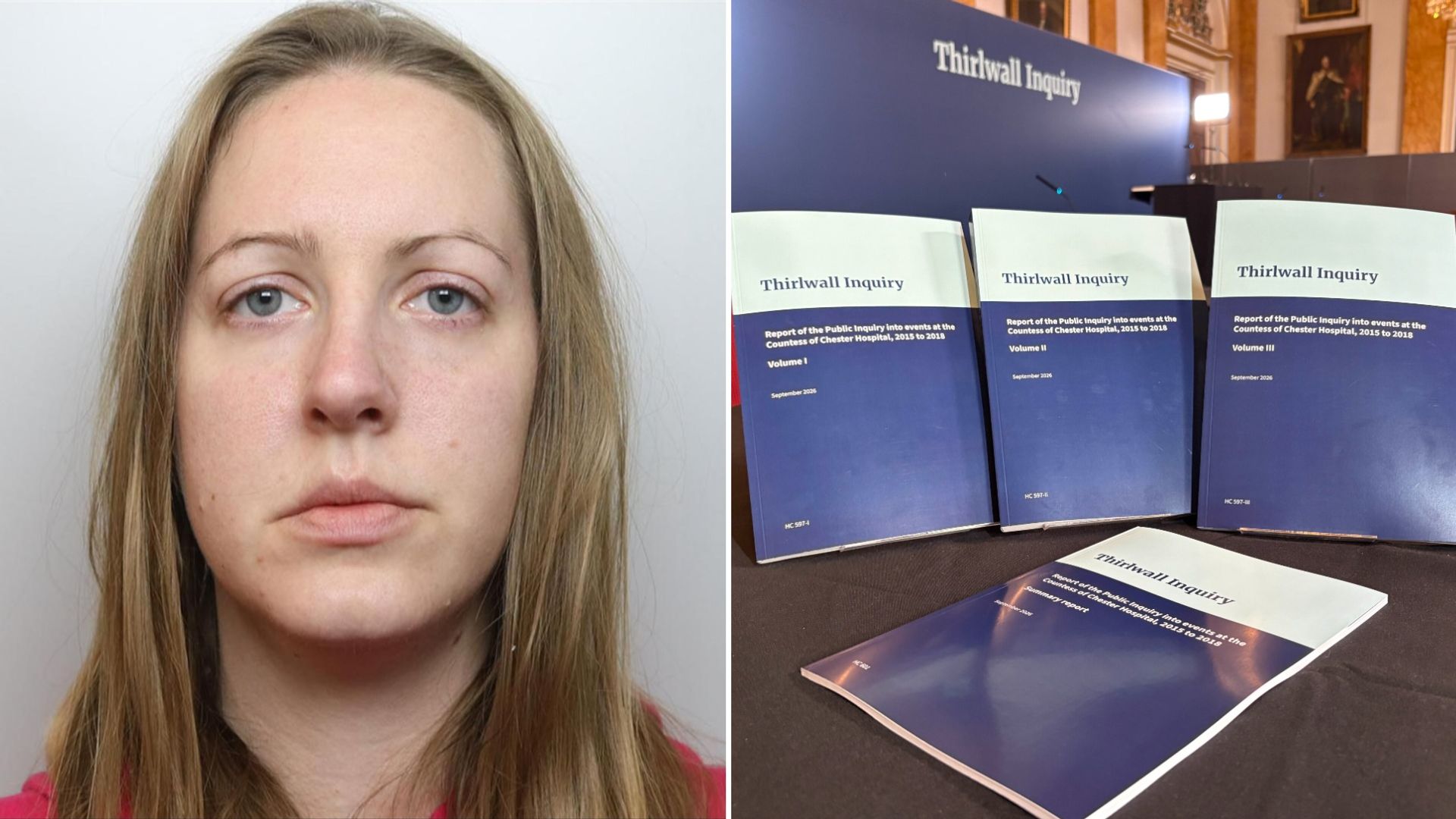
Some of the newborns murdered by serial killer nurse Lucy Letby could have walked out of the hospital alive. That is the hard, brutal truth delivered by the long-awaited Thirlwall Inquiry.
Led by Lady Justice Thirlwall, the report doesn't just chronicle tragedy; it maps out a systemic failure of courage, management, and institutional self-preservation. Execs at the Countess of Chester Hospital cared more about protecting the brand than protecting infants. While babies crashed and died between 2015 and 2016, leadership engaged in corporate spin, dismissed alarmed pediatricians, and shielded a killer.
Now, the government is scrambling to react. Health Secretary Yvette Cooper has signaled that in-cot cameras will be fitted in neonatal units following the inquiry's fourteen core recommendations. But hardware alone won't fix a broken culture.
The Anatomy of a Cover-Up
Let's look past the headlines about gadgets and examine what actually went wrong. The Thirlwall Inquiry lays bare a toxic corporate environment defined by tribalism. Senior nurses demonstrated an unthinking loyalty to Letby, treating legitimate medical concerns as personal attacks.
Doctors who tried to sound the alarm were marginalized. Executives gaslit grieving parents, keeping them entirely in the dark until police stepped in during July 2018.
When you foster an environment where questioning authority is treated as a worse offense than a dying baby, catastrophe is inevitable. The inquiry notes that if management had acted when early red flags went up, multiple attacks and deaths would have been entirely prevented. It wasn't a lack of information that doomed those infants; it was a catastrophic lack of spine among decision-makers.
What Cot Cameras Are Supposed to Fix
The headline response to the report is the introduction of video monitors and CCTV across neonatal cots and incubators. Justice Thirlwall explicitly pointed out that had video monitors been in place, early assaults on infants like babies A, B, C, and D would likely have been caught immediately.
Besides live monitoring for parental reassurance, these cameras serve as an unblinking witness. They remove the "he said, she said" dynamic that toxic hospital wards often use to bury whistleblowers.
Alongside the cameras, the inquiry's recommendations demand concrete operational changes:
- Strict access controls and audit trails for insulin, which Letby used to poison infants.
- An NHS-wide policy mandating the suspicion of deliberate harm instead of defaulting to denial.
- Contractual obligations forcing medical and administrative staff to prioritize safeguarding procedures.
- Real-time data tracking systems to flag unusual spikes in infant mortality or unexpected collapses.
The Real Danger Is Ignoring the Human Element
Installing hardware is easy. Changing minds is hard.
Cameras cannot force a hospital executive to listen to a whistleblower. Monitors won't stop defensive middle managers from circling the wagons when an internal scandal threatens their metrics. If hospital boards treat these new regulations as a box-ticking exercise, another monster will eventually slip through the gaps.
Accountability has to start at the top. The government is currently weighing up barred lists for failed senior NHS leaders, which is a long-overdue step. If executives face personal professional ruin for covering up clinical incompetence, hospital cultures will shift overnight.
Read the inquiry's findings. Push your local trusts on how they handle internal dissent. Real safety requires constant vigilance, not just a lens pointed at a cot.


