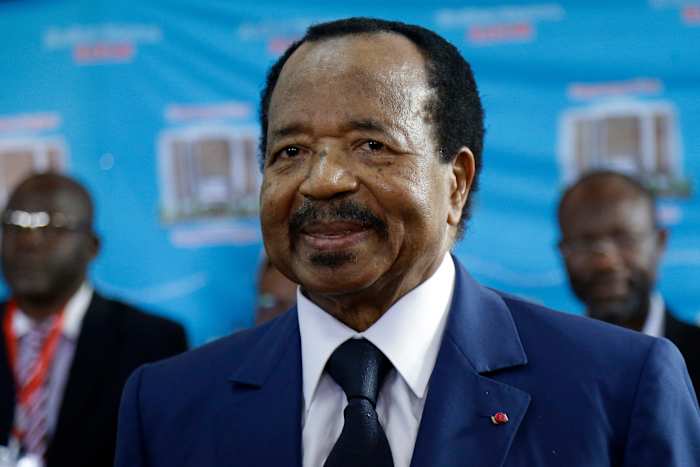
When a head of state vanishes for over ten weeks, the world notices. When that leader is 93-year-old Paul Biya, the longest-serving president in Central Africa, the implications go beyond mere speculation about his health. Biya’s return to Yaoundé this week following an extended private stay in Europe hasn't quieted the growing anxiety about how Cameroon is actually governed.
You might wonder why a president spending time abroad sparks such intense geopolitical tension. The answer lies in the structural fragility of the Cameroonian state. Biya has been in power since 1982. He has spent decades centralizing authority so tightly that when he steps away, the machinery of government effectively stalls.
The Reality of Leadership on Autopilot
For more than two months, the administration in Yaoundé operated with the president essentially absent. This isn't just about his physical health, though at 93, those concerns are legitimate and obvious. It’s about the lack of a clear, functional succession plan.
Cameroon has no vice president role that truly balances executive power. While the parliament recently moved to reinstate a vice president position, the optics are poor. Critics view it as a superficial adjustment rather than a meaningful change. Because the president retains the power to appoint and dismiss that deputy at will, the office functions more as an extension of his own reach rather than an independent check on authority.
When a leader stays abroad for ten weeks without a transparent handover of responsibilities, it creates a vacuum. In a country grappling with the violent insurgency of Boko Haram in the north and persistent separatist conflicts in the west, stability is not just a preference; it’s a necessity for survival.
Why This Matters for the Next Generation
You have to consider the demographic reality of Cameroon. Roughly 70% of the population is under 35. These are people who have never known another leader. They have grown up watching an aging political class maintain a grip on power that seems increasingly detached from their economic realities.
Stagnant growth and the lack of opportunity for youth have created a pressure cooker. When you combine this with an absent leader who spends weeks at a time in Geneva, you get a population that feels ignored. The 2024 presidential election, which kept Biya in power, was widely contested. The resulting protests—and the casualties that followed—were a symptom of a deeper disconnect between the old guard and a young, restless public.
Governance in the Shadow of Uncertainty
The central problem isn't just that Biya is old. It’s the way he chooses to rule. By keeping the decision-making process confined to a small circle of family members and loyal party officials, the state becomes highly vulnerable to external shocks.
If you are following this situation, pay attention to the silence coming from within the ruling Cameroon People’s Democratic Movement. The lack of open discussion about succession isn't evidence of strength. It is a sign of a political system that fears the day the current arrangement ends.
What Comes Next
Most observers are looking for signs of continuity. However, the more important signal is how the state handles the inevitable transition that must come.
- Watch the Military and Security Apparatus: In regimes where the executive branch is highly centralized, the military often becomes the real arbiter of power when the civilian leader falters.
- Monitor Cabinet Shifts: Keep an eye on any sudden replacements or appointments. These are usually the first indicators that the inner circle is rearranging its influence.
- Listen to the Opposition: The frustrations of the youth are not going to disappear because the president returned from Geneva. Their calls for systemic reform will only get louder.
Don't expect a sudden shift toward democratic transparency. The system is designed to prioritize the survival of the current administration over everything else. Expect more of the same—a tight grip on power and a government that prioritizes optics over the structural repairs the country desperately needs.
The return of Paul Biya doesn't solve the health concerns or the political volatility. It merely hits the pause button on an unfolding crisis. The real test for Cameroon won't be what happens while he’s in the presidential palace, but what happens the day he isn't.