East London is trading traditional electric heaters for something a bit closer to home. At an ecology hub on the Teviot Estate, everyday food waste is quietly turning into high-temperature energy. It sounds strange until you look at the mechanics.
Residents are feeding their kitchen scraps into a local system that generates biogas. That gas then fuels a community sauna. You might also find this similar story insightful: Why Some Dogs Actually Prefer Bach Over Pop Music.
Waste management usually feels distant, bureaucratic, and grey. This project brings it right into the neighborhood.
The Setup on the Teviot Estate
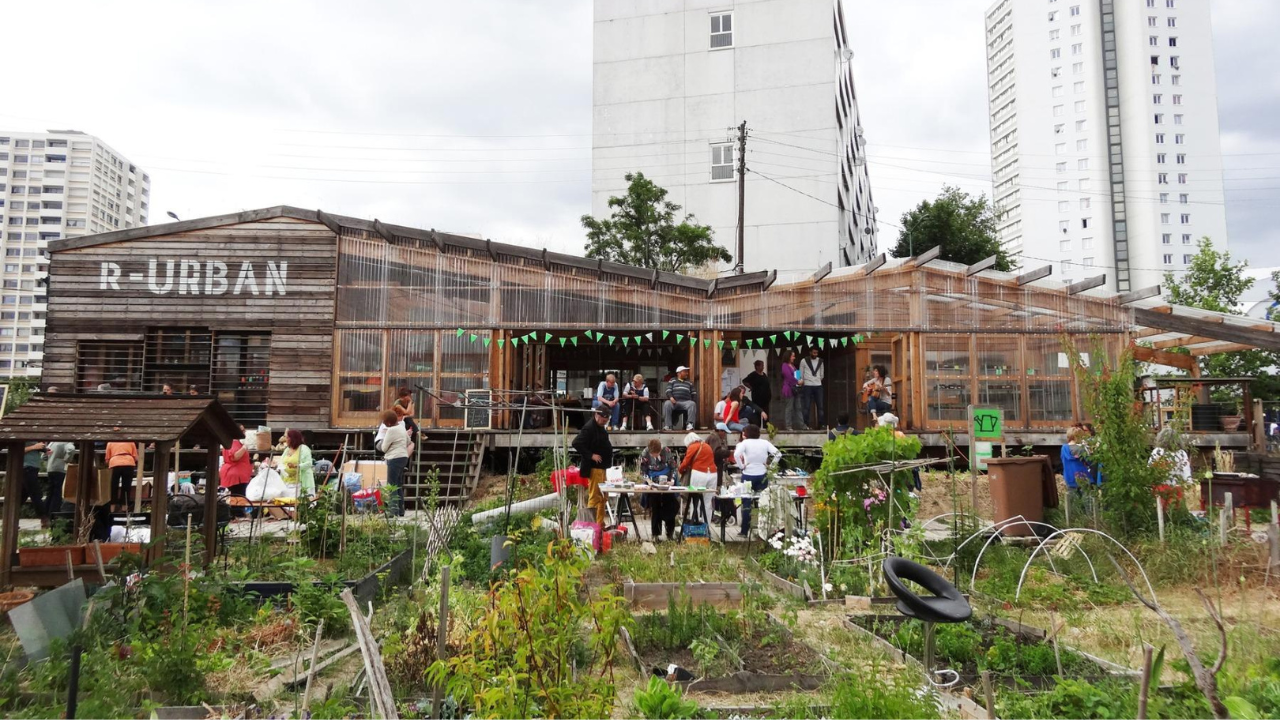
Back in 2017, the space occupied by R-Urban Poplar was a forgotten car park. Empty garages and cracked pavement filled the plot. Local groups and designers stepped in to change that. As highlighted in recent coverage by ELLE, the implications are significant.
Today, the site functions as a working ecology hub. You'll find community growing beds, a tool library, a small mushroom farm, and now, a custom-built sauna.
The layout isn't just about looking green. It's built for closed-loop living. Organisers want to prove that cities can handle their own resources locally rather than shipping problems elsewhere.
Turning Kitchen Waste Into Biogas
The science behind the project mimics nature. Organizations like MAD Leap and Community Sauna Baths designed the system to process organic materials right on site.
Here is how the transformation works:
- Collection: Households around the Teviot Estate drop off sorted food scraps.
- Preparation: Workers shred the waste down into a fine pulp, mimicking a chewing process.
- Pasteurisation: The pulp gets heated to 70°C to eliminate harmful pathogens like E. coli.
- Digestion: Microbes break down the slurry inside an anaerobic digester tank.
The digestion process yields two main outputs. Liquid digestate becomes a potent organic fertilizer for local crops, while captured methane gas routes directly toward heating the sauna.
As Cameron Bray from the project puts it, the system acts remarkably like a cow's stomach. It captures gases that would normally escape into the atmosphere during standard decomposition.
Building a Circular Micro-Economy
Most urban sustainability projects rely on corporate grants or heavy municipal infrastructure. R-Urban takes a grassroots approach.
The sauna itself uses clever construction choices. Builders wrapped the structure in smoked cork insulation—a natural byproduct of the cork stopper industry—and laid down reclaimed marmoleum flooring.
Greywater from washing areas doesn't just vanish down a conventional drain. The site filters water using natural elements like terracotta balls, pumice, gravel beds, and reed systems. Plant roots and beneficial bacteria break down impurities before the water irrigates nearby willow patches and ponds.
This setup addresses a massive urban problem. Landfilled food waste generates significant methane emissions globally, and the UK produces millions of tonnes of organic waste annually. Micro-scale anaerobic digestion offers a tangible way to recapture that energy at a neighborhood level.
Getting Involved Locally
Testing phases for the biogas sauna continue on site, with organizers refining the daily capacity to handle hundreds of kilograms of waste.
If you want to support similar circular systems, start by looking at your own habits. Separate your organic waste cleanly, support local community gardens, or check if your local council or neighborhood cooperative runs decentralized composting initiatives. You don't need an anaerobic digester in your backyard to start treating food scraps like a resource instead of trash.