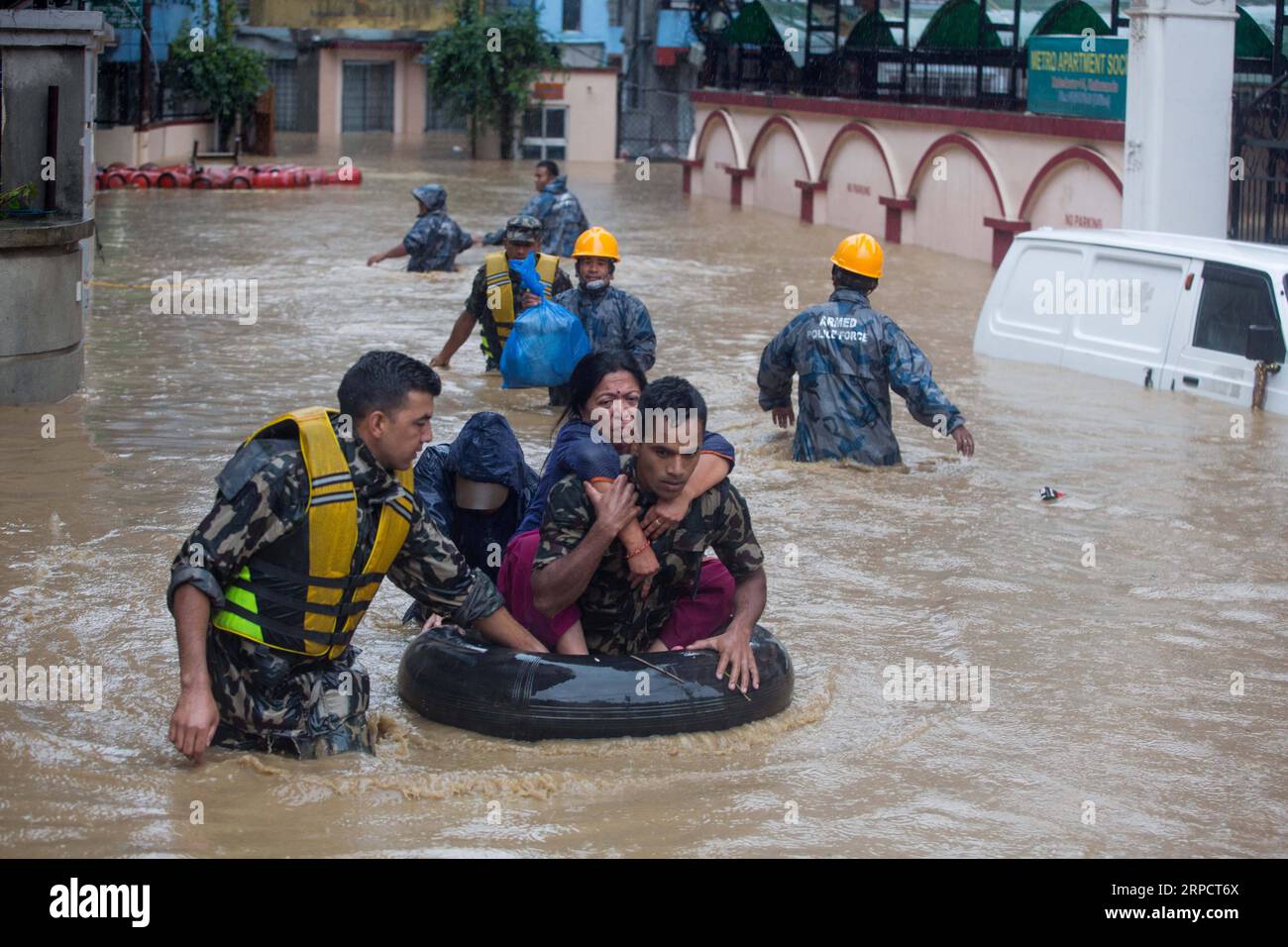
When geopolitical flashpoints erupt, the headlines usually focus on military movements, high-level diplomatic statements, and stock market fluctuations. But behind the tickers and military analyses, real people have to wake up and figure out how to buy groceries, keep their businesses running, and protect their families. Six months into a severe escalation involving regional warfare and economic tightening, life for ordinary Iranians has shifted dramatically.
If you think sanctions and military threats haven't touched the day-to-day routine of citizens, you are missing the entire picture. The reality on the ground is a mix of chronic economic anxiety, sudden shifts in daily habits, and an exhausting survival mode that defines urban and rural spaces alike. Meanwhile, you can find related developments here: Why The Recent Elections In Pakistan-controlled Kashmir Sparked Massive Outrage.
The Economic Squeeze and Everyday Survival
Inflation in Iran isn't a new concept. It has been a heavy burden for years, driven by international sanctions and structural challenges. However, the intensification of military conflict over the past six months accelerated the pressure instantly.
Local currency values dropped further, pushing basic food items, medicines, and housing out of reach for a larger portion of the middle and working classes. Grocery shopping has turned into a daily calculus of what to buy before prices adjust again. To understand the bigger picture, we recommend the excellent report by TIME.
- Meat and fresh produce have become luxury items for many households.
- Imported medicines face critical shortages, forcing families to scour secondary markets for essential treatments.
- Rent prices in major cities like Tehran have skyrocketed as people relocate away from vulnerable areas or attempt to secure stable assets.
People aren't panicking in the streets like you see in movie scenes. Instead, they are adapting with a grim resilience. Neighborhood informal networks have expanded. Neighbors trade goods, share resources, and pool money to buy bulk staples before the next wave of price hikes hits.
Psychological Toll and the Normalization of Crisis
Humans possess a bizarre capacity to adapt to chaos. Six months in, what felt terrifying at the start has morphed into a grim normal. Sirens, reports of airstrikes in neighboring regions, and constant news updates have created a baseline of chronic stress.
Mental health professionals report a massive surge in anxiety and burnout. Yet, therapy remains a luxury few can afford or prioritize when physical survival takes precedence. Young people, in particular, face a profound sense of stagnation. Plans for higher education abroad, career milestones, or starting a family are put on hold indefinitely.
The psychological weight isn't just about external threats. It is about uncertainty. No one knows what the next week holds. Will internet connectivity drop completely? Will fuel prices spike overnight? This perpetual state of waiting for the other shoe to drop drains the emotional energy of the entire population.
Adaptation and Digital Resilience
Iran's population is remarkably young, tech-savvy, and resourceful. For years, citizens have navigated extreme government internet censorship using virtual private networks and workarounds. When conflict escalated, these digital skills became essential survival tools.
Communication channels shifted rapidly. People rely on encrypted messaging apps to check on relatives, share verified safety alerts, and coordinate logistics. Local businesses that managed to stay afloat pivoted toward delivery models or digital storefronts to minimize foot traffic during tense periods.
At the same time, the physical environment of cities transformed. Checkpoints, heightened security presence, and a pervasive sense of surveillance altered how public spaces are used. Cafes and parks see fewer crowds during evening hours, as people prefer the safety of their homes after dark.
What Most Observers Miss
Most international coverage reduces Iran to its government, its military capabilities, or its nuclear program. That perspective erases the vibrant, complex civil society underneath.
Ordinary Iranians do not view their entire existence through the lens of geopolitics. Teachers still try to teach complex equations to distracted students. Musicians write songs in home studios. Shopkeepers sweep their doorsteps every morning despite knowing profits will be thin.
The division between state policy and private reality remains stark. While political figures posture on television, citizens navigate the tangible consequences of those choices out of pocket and out of breath.
Navigating the Road Ahead
If you are trying to understand where this situation is heading, look past the official press releases. Watch the retail prices, the supply chains, and the migration patterns of young professionals leaving secondary cities.
Understanding these dynamics requires looking at human cost rather than abstract political strategy. Keep track of independent reporting, support humanitarian exemptions for medical supplies where possible, and recognize that the resilience of a population is never a blank check for endless endurance. The human threshold, even in Iran, has its limits.