A quiet crisis is unfolding on the Upper East Side of Manhattan. What started as a few isolated cases of severe pneumonia has exploded into a full-blown health emergency. On Friday, July 17, 2026, city health officials confirmed the first death tied to this spike in infections. At least 67 people have fallen ill. Dozens have been hospitalized.
If you think this is just a local New York problem, you are mistaken. This is an infrastructure problem. It is a climate problem. Most of all, it is a preview of what happens when the systems keeping our high-rise buildings running are ignored.
The outbreak centers around three specific wealthy ZIP codes: 10028, 10128, and 10075. These areas cover affluent neighborhoods like Carnegie Hill and Yorkville. The culprit is not the drinking water. It is not person-to-person transmission. People are breathing in invisible, contaminated mist sprayed from massive building cooling towers sitting high above the streets.
Inside the numbers of the Upper East Side cluster
The data coming from the New York City Department of Health and Mental Hygiene paints a grim picture. Since tracking began on July 2, the case count has risen steadily. Out of the 67 diagnosed individuals, 12 remain hospitalized fighting for their lives. Dozens of others have spent days in emergency rooms before being cleared for release.
Health Commissioner Dr. Alister Martin expressed deep condolences but withheld the identity of the deceased individual out of respect for family privacy. The silence surrounding the victim underscores a harsh reality. Anyone walking through these neighborhoods could have inhaled the exact same air.
Local leaders are furious. New York City Council Speaker Julie Menin has openly criticized the health department's speed and handling of the situation. The response felt slow to residents who watched case numbers climb for two weeks before seeing aggressive testing of local infrastructure.
The invisible danger hiding on urban rooftops
To understand how a dangerous pathogen thrives in one of the wealthiest parts of the country, look upward. Large buildings do not rely on standard residential air conditioning units. They use immense industrial HVAC systems supported by rooftop cooling towers. These towers use water to cool down heat generated by the building's internal systems.
When water sits in these systems, it creates a perfect storm. The interior of an unmaintained cooling tower is warm, wet, and dark. It acts as a massive incubator for Legionella pneumophila, the bacteria behind the disease.
As the cooling tower runs, it releases water vapor into the surrounding air. Strong winds can carry these microscopic droplets blocks away. Pedestrians, outdoor diners, and residents opening their windows breathe in this mist without a second thought. They have no idea they are inhaling an aggressive respiratory pathogen.
The city tested 183 cooling towers in the affected area. A shocking 76 of them came back positive for Legionella DNA. It is a massive number. It shows that testing positive does not automatically mean a building is the definitive source of the outbreak, because tests can capture dead bacterial remnants. But it proves a larger point. Neglect is widespread.
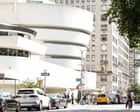
Even world-famous landmarks are not immune. The iconic Solomon R. Guggenheim Museum, a masterpiece designed by Frank Lloyd Wright, was on the list of buildings that tested positive. The museum quickly hired an outside firm to clean and disinfect its systems. They maintained that the building posed no threat to visitors inside. Still, the fact that a world-class cultural institution struggled with containment shows how insidious this bacteria can be.
Why climate change is accelerating the threat
This is not an isolated piece of bad luck. New York City is changing. The weather is shifting in ways that directly favor bacterial growth.
Dr. Alister Martin pointed directly to the environmental factors driving this outbreak. He noted that New York is shifting toward a subtropical climate. Summers are getting hotter, stickier, and more humid. Heavy downpours followed by intense heat waves create the ideal conditions for stagnant water systems to overheat. When water temperatures inside building systems hit between 68°F and 113°F, Legionella multiplies at an exponential rate.
Historically, many associated Legionnaires' outbreaks with lower-income neighborhoods or neglected public housing. Last year, a devastating outbreak in Harlem killed seven people and sickened over a hundred. Community leaders often pointed out that the disease seemed to target areas suffering from systemic underinvestment.
The Upper East Side outbreak completely shatters the myth that wealth protects you from environmental pathogens. Wealthy co-ops, luxury high-rises, and elite private schools are all testing positive. If building managers do not diligently treat their water, the climate will turn their infrastructure into a public health hazard.
Recognizing the symptoms and taking immediate action
Legionnaires' disease is basically a severe, unforgiving form of pneumonia. It does not spread from person to person. You cannot catch it by shaking hands with someone or sitting next to an infected coworker. But if you breathe in the mist, the bacteria targets your lungs immediately.
The symptoms usually show up anywhere from two days to two weeks after exposure. It starts quietly, looking a lot like a standard case of the flu.
Early warning signs to look for
- A sudden, high fever accompanied by chills
- A dry or productive cough that progressively worsens
- Severe muscle aches and generalized fatigue
- Unexplained headaches and mental confusion
- Gastrointestinal issues like nausea, vomiting, or diarrhea
As the infection takes hold, shortness of breath becomes severe. For high-risk individuals, the stakes are incredibly high. The Centers for Disease Control and Prevention states that roughly 10% of people who contract Legionnaires' disease will die from complications. If left untreated, the disease causes respiratory failure, kidney failure, and multi-organ shock.
Who faces the highest risk
- Adults aged 50 or older
- Current or former smokers, including individuals who vape
- People with chronic lung conditions like COPD or emphysema
- Anyone with a compromised immune system from cancer treatments, organ transplants, or chronic illnesses
If you live in or have recently visited the Upper East Side and develop these symptoms, do not wait it out. Walk into an urgent care clinic or emergency room immediately. Tell the triage nurse explicitly that you have been in an active Legionnaires' cluster area. Standard over-the-counter flu medications will not help. This requires specific, aggressive antibiotic treatments like macrolides or fluoroquinolones to halt the bacterial replication inside your lungs.
How to protect your home and community right now
While the city health department forces commercial properties to scrub their cooling towers, everyday citizens need to understand how to minimize their risks. You do not need to lock yourself indoors, but you should take practical precautions.
The city has confirmed that the municipal drinking water is completely safe. You can drink from the tap, cook, and wash dishes without worrying. Standard window air conditioning units and split-system home ACs do not use standing water to cool the air. They are safe to operate.
However, residential plumbing can still hold minor risks if left stagnant. Take these steps immediately to protect your living space.
Clear out stagnant residential water
- Flush your taps: If you have been away on vacation or have a spare bathroom that rarely gets used, run the hot and cold water for at least five minutes weekly. This clears out stagnant water where bacteria can breed.
- Clean your showerheads: Submerge your showerheads and faucet aerators in a vinegar solution or a commercial disinfectant regularly to strip away accumulated biofilm.
- Drain your garden hoses: Do not leave garden hoses sitting out in the hot summer sun filled with water. Drain them completely after each use.
- Maintain hot tubs and home saunas: If you own a personal hot tub or jacuzzi, check the bromine or chlorine levels daily. Warm, aerated water is a prime target for Legionella amplification.
The urgent need for strict building accountability
We cannot rely solely on individual caution. The burden must fall heavily on building owners and property management firms.
New York City actually has some of the strictest cooling tower regulations in the nation, known as Local Law 77. It requires building owners to register their towers, conduct routine testing, and maintain a strict maintenance log. Yet, as this outbreak shows, compliance is often treated as paperwork rather than an active life-safety issue.
When a building manager skips a monthly chemical treatment or delays a inspection to save a few dollars, they are creating a neighborhood health hazard. The fact that 76 towers tested positive means the current enforcement system is failing to deter negligence. City inspectors must pivot from passive logbook reviews to aggressive, unannounced spot-testing with heavy fines for violators.
Your next steps for safety
If you live, work, or travel through Manhattan, keep a close eye on local health bulletins. Demand transparency from your building management company. Ask them directly for the date of their last cooling tower clearance and demand to see their water management plan. If they hesitate, report the property to 311 immediately.
Monitor your health with zero compromise. A lingering cough or a sudden chill is not something to ignore this summer. Early medical intervention saves lives, stops complications, and ensures you do not become another statistic in this preventable urban outbreak. Keep your guard up, stay informed, and hold your local property leaders accountable.