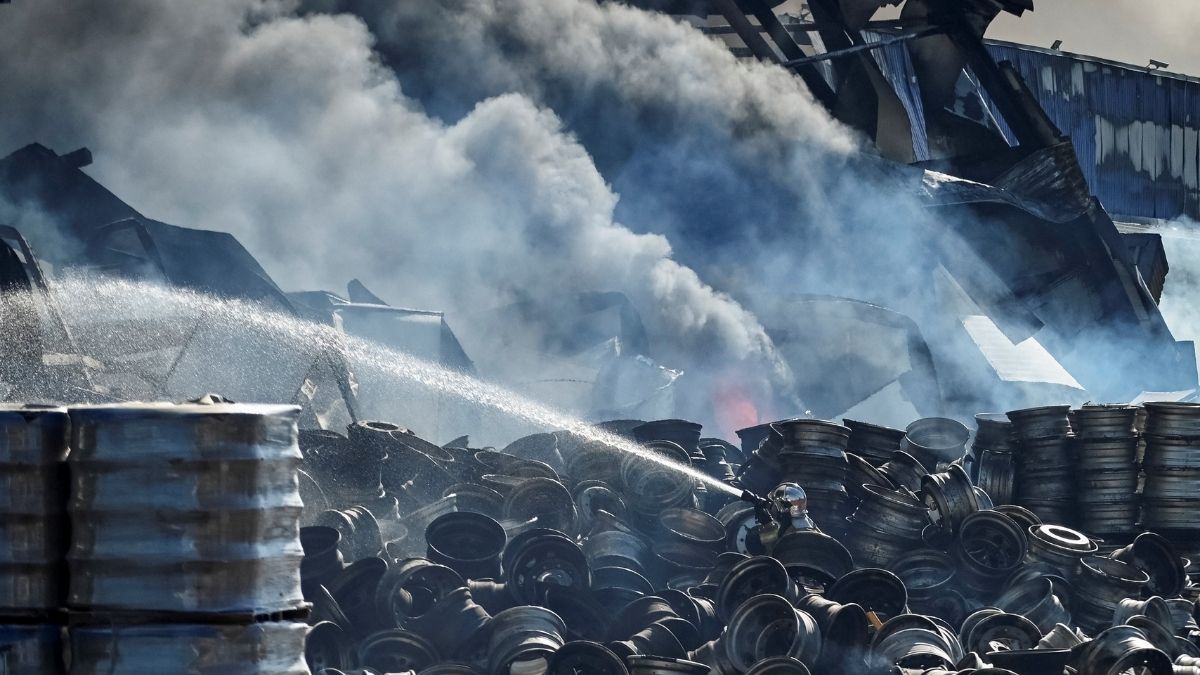
Nature doesn't care about your corporate title, your travel itinerary, or your strategic quarterly goals. When catastrophic floods tore through Nepal, washing away infrastructure and upending thousands of lives, high-profile corporate leaders found themselves trapped in the exact same vulnerability as local residents and stranded tourists.
The disappearance of Lax Gopisetty, CEO of Infosys Public Services, during his private trip to Nepal has thrust corporate safety, emergency communication gaps, and personal travel risk into the spotlight. While headlines fixate on the corporate status of the missing executive, the reality on the ground points to a much larger, grim humanitarian crisis affecting hundreds of citizens and international travelers alike.
Understanding the Scale of the Nepal Floods
Deadly flash floods and torrential monsoon downpours across the region didn't just cause localized property damage. They triggered massive disruptions across the Nepal-Tibet border. The official death toll climbed past 584 people, while thousands remain unaccounted for.
When communication networks collapse, finding anyone becomes an exercise in utter frustration. Cellular towers go down, roads turn into rushing rivers, and remote mountain trails transform into mudslides.
Indian Ministry of External Affairs data highlights that hundreds of Indian nationals remain missing or stranded in difficult-to-reach pockets, particularly near the border regions and parts of Tibet. Governments and rescue agencies are racing against time, deploying emergency flights, coordinating relief material, and trying to establish contact lines where none exist.
The Infosys Response and Corporate Vulnerability
When a senior executive goes missing abroad, the corporate machinery swings into immediate action. Infosys released a formal statement acknowledging that Lax Gopisetty, who heads Infosys Public Services and previously managed major digital workspace portfolios, was traveling privately when communication snapped.
The company has been coordinating closely with local rescue agencies, government bodies, and the executive's family. But honestly, this situation reveals a harsh truth about modern business travel. Executives love to disconnect, take remote mountain excursions, or travel off the beaten path during vacations. When sudden natural disasters strike regions with fragile communication networks, even multi-billion-dollar corporations find themselves helpless, waiting on the ground reports of local disaster management teams.
Money and corporate clout don't buy immediate satellite linkage when regional infrastructure is physically swept away.
Why High-Altitude Travel Planning Needs an Overhaul
Most people traveling to Himalayan regions underestimate how fast a standard vacation turns into a life-threatening survival scenario. Weather patterns shift violently during monsoon seasons. Rivers swell within hours, cutting off entire valleys.
If you are planning trips to high-risk zones, you can't rely on standard assumptions. Here is what you actually need to keep in mind:
- Register your exact itinerary with your local embassy or consulate before crossing international borders.
- Carry a reliable satellite communication device if you are heading into remote terrain where cell towers are sparse.
- Monitor local meteorological warnings constantly rather than relying on global weather apps that lack localized regional accuracy.
The Path Forward for Rescue Operations
Search and rescue teams face monumental hurdles in Nepal right now. Landslides block major transit routes, and continuous rain hampers aerial reconnaissance. Diplomatic channels between India, China, and Nepal are working overtime to evacuate stranded citizens, with several dozen individuals successfully funneled back through secure transit corridors.
As families wait anxiously for news about Lax Gopisetty and hundreds of other missing travelers, the focus remains entirely on scaling up relief efforts and restoring basic connectivity across the disaster zones. Keep an eye on official updates from foreign ministries rather than speculative social media reports if you are tracking friends or family members caught in the region.