The four-month naval blockade that choked the world's most critical energy transit route is finally ending, but don't expect the global oil trade to return to business as usual.
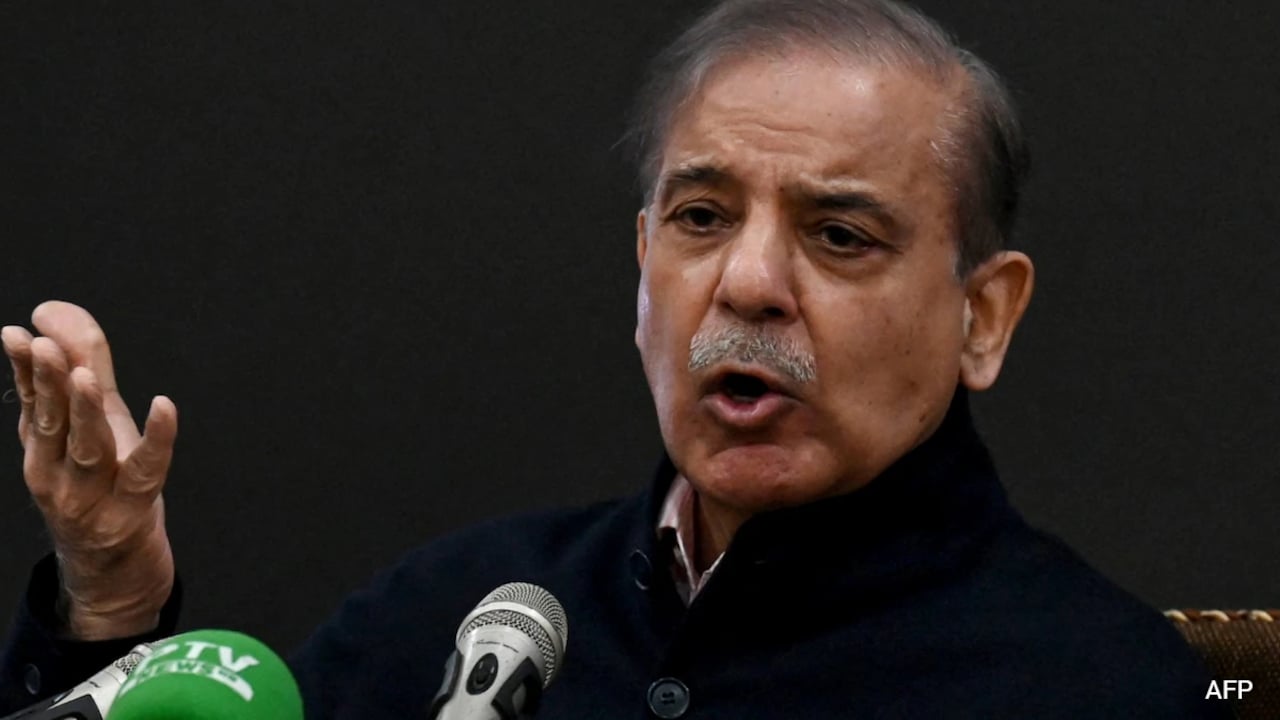
Following intense diplomatic scrambling, the United States and Iran have signed a historic 14-point Islamabad Memorandum of Understanding (MoU) to end their brief but devastating military conflict. Pakistani Prime Minister Shehbaz Sharif confirmed that the text has entered into force with immediate effect. Under the newly inked terms, Iran will "instantly reopen" the vital Strait of Hormuz, while the US military will "immediately lift" its sweeping naval blockade on all Iranian ports.
For consumers and energy traders who watched gas prices spike wildly after hostilities erupted on February 28, this looks like a massive win. But a closer look at the actual text reveals a much more fragile, complicated reality. Tehran is already warning that the Strait won't return to pre-war conditions, and Donald Trump has made it clear that American bombers are fueled and ready to go if the implementation stumbles.
What the Islamabad Agreement Safely Guarantees
The breakthrough came together after grueling mediation sessions involving Pakistan, Qatar, Saudi Arabia, and Turkey. While a formal, in-person diplomatic ceremony is scheduled to take place at Switzerland's Bürgenstock resort, the immediate pressure on global shipping lanes is supposed to ease up right now.
The initial deal, which Vice President JD Vance noted was digitally signed, explicitly sets a 60-day window for both nations to thrash out a permanent framework.
[Immediate Actions] ──> [Switzerland Talks] ──> [60-Day Deadline]
  • Hormuz reopens         • Technical details       • Final treaty or
  • US blockade lifted     • $300B reconstruction fund  hostilities resume
What makes this iteration completely different from the 2015 nuclear pact is the sheer level of leverage used to secure it. According to the White House, the U.S. launched its military campaign in February after learning Iran possessed enough enriched uranium to churn out 11 nuclear bombs in less than two weeks. Four months of heavy airstrikes later, Washington claims Iran's enrichment capacity is effectively wiped out. The deal essentially forces Tehran to accept this new baseline in exchange for absolute economic survival.
The Catch Nobody Is Talking About
If you think this means shipping lanes will instantly turn safe and free, you're missing the fine print.
Just hours after the signing, Iran’s chief negotiator dropped a massive bombshell. Tehran plans to declare the Strait of Hormuz a toll zone, slapping transit fees on international vessels after an initial 60-day fee-free grace period. The Iranian government argues that because the U.S. war crippled its domestic infrastructure, it has every right to monetize the narrow channel to fund its recovery.
"The Strait of Hormuz will not return to pre-war conditions. We are cleaning up the mess, removing sea mines, and we will expect international commerce to pay its fair share once the transition period wraps up." — Iranian Negotiating Team Statement
This move is bound to trigger immediate pushback from international maritime lawyers. Under the 1982 United Nations Convention on the Law of the Sea (UNCLOS), the Strait of Hormuz is recognized as an international strait where the right of transit passage applies. Iran’s plan to treat the world's primary energy chokepoint like a private turnpike introduces an entirely new flavor of risk for global supply chains.
Why Israel and Lebanon Could Still Wreck the Deal
The biggest threat to this peace document isn't actually happening in Washington or Tehran. It's happening in the suburbs of Beirut.
Israeli Prime Minister Benjamin Netanyahu has explicitly told the White House that Israel does not consider itself bound by the Lebanon-related clauses of the agreement. While Trump has urged Netanyahu to use a "softer touch" with Hezbollah targets, continuous cross-border strikes threaten to derail the delicate truce. Iran has warned multiple times that it might walk away from the negotiation table if its regional proxies face total annihilation while its hands are tied by a U.S. pact.
The agreement also establishes a massive $300 billion reconstruction fund aimed at rebuilding destroyed infrastructure, alongside the unfreezing of significant Iranian state assets. Trump defended the release of these funds during the G7 summit in France, bluntly telling reporters, "It's not our money."
The Next Critical Steps for Global Markets
For businesses, energy analysts, and global trade operators, the clock is officially ticking. The next 60 days will determine whether the global economy stabilizes or drops right back into chaos.
- Track the Swiss Technical Talks: Watch the upcoming Geneva meetings closely. The technical details regarding maritime monitoring and the removal of Iranian naval mines will dictate how fast commercial oil tankers can actually resume safe transit.
- Price in the Hormuz Transit Fee: Energy logistics firms must immediately start modeling the financial impact of Iran’s proposed transit fees. Even a minor per-barrel levy will alter shipping margins across Europe and Asia.
- Monitor the Israel-Lebanon Friction: Treat any escalation between the IDF and Hezbollah as a direct threat to the longevity of this MoU. If Tehran pulls out, the naval blockade returns instantly.
This isn't a permanent peace treaty; it's a high-stakes, time-limited experiment in coercive diplomacy. Both sides have proven they are willing to pull the trigger if the other blinks.