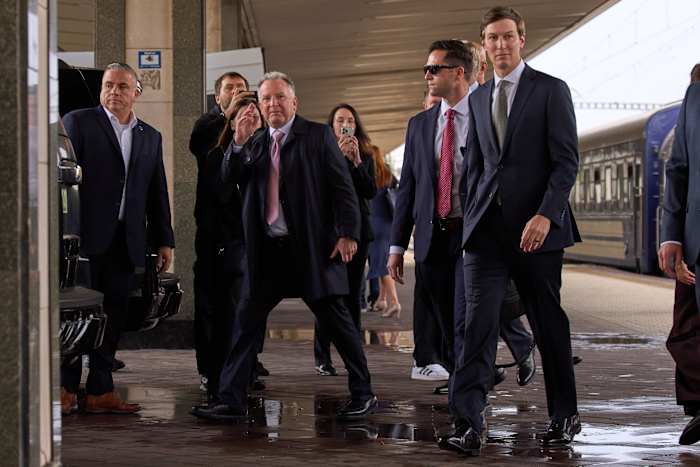
Air raid sirens keep wailing over the capital. US envoys Steve Witkoff and Jared Kushner just touched down in Kyiv after spending three hours behind closed doors with Vladimir Putin in Moscow.
Nobody should expect miracles. Discover more on a similar issue: this related article.
The high-stakes diplomatic shuttle comes more than four and a half years into a brutal, grinding conflict along a 1,250-kilometer front line. Trump's top negotiators sat down with Ukrainian President Volodymyr Zelenskyy at Mariinsky Palace on Sunday, followed by multi-party sessions involving national security advisers from the UK, France, and Germany.
Yet the underlying reality hasn't changed. Moscow and Kyiv still hold completely irreconcilable positions, particularly over territorial sovereignty. Kushner called it a very hard problem. He's not wrong. Additional reporting by Al Jazeera delves into comparable perspectives on the subject.
What Happened Behind Closed Doors in Moscow
Before arriving in Ukraine, the American delegation spent over three hours negotiating with the Russian president in the Kremlin. Yuri Ushakov, Putin's foreign policy adviser, described those talks as constructive and frank. But substance matters more than diplomatic polish.
Moscow used the meeting to lay out its comprehensive assessment of the battlefield. Interestingly, the talks didn't just center on military maneuvers. Both sides dove deep into potential large-scale economic projects and bilateral joint ventures between the US and Russia.
This dual-track approach signals that Washington is trying to re-engineer the entire diplomatic playing field. They want to create a framework that offers mutual economic incentives. But trading economic deals for territorial concessions is a non-starter for Kyiv.
The Core Demands That Won't Budge
Territory remains the ultimate stumbling block. Ukraine refuses to surrender its sovereign land. Russia refuses to back down from its maximalist objectives.
Zelenskyy made it clear during Sunday's joint press conference that these heavy territorial questions can only be resolved at the highest leadership level. He reiterated that a strong, well-funded Ukrainian military remains the country's best line of defense.
While the envoys talked inside, the war didn't pause outside. Even though a temporary capital-to-capital strike freeze was supposedly observed during the meetings, Russian drone and missile barrages hit multiple regions overnight. A 74-year-old man died in Zaporizhzhia. Residential buildings crumbled in Khmelnytskyi.
Meanwhile, Ukraine's air force intercepted dozens of incoming drones and missiles, and the Russian defense ministry claimed its own systems knocked out hundreds of Ukrainian drones over border regions and Crimea. The kinetic reality on the ground completely contradicts the diplomatic optimism coming from the press conferences.
The Winter Package and Air Defense Urgency
Zelenskyy's primary ask during the three rounds of talks wasn't an immediate peace treaty. It was survival gear for the upcoming cold months.
Kyiv is pushing hard for a comprehensive winter package focused entirely on energy infrastructure protection and massive air defense reinforcements. Specifically, Ukrainian leadership wants serious volumes of Patriot interceptor systems.
There are plans to scale up Patriot production next year with help from the US and Germany. Ukraine is also fast-tracking 67 domestic defense tech companies building custom interceptor systems to take down Russia's fast-flying jet drones at scale.
Zelenskyy even joked that Witkoff and Kushner's physical presence in Kyiv provided better temporary air defense than a Patriot battery, pointing out how capital airstrikes noticeably eased during their visit. Humor is a coping mechanism, but the underlying anxiety about winter blackouts is entirely real.
Why a Kinetic Resolution is Off the Table
Witkoff stated explicitly that Washington is hunting for a diplomatic resolution, not a kinetic one. That sounds good in a press release, but it ignores how both sides view victory.
Russia has stepped up its aerial bombardments ahead of its State Duma elections later this month. Moscow wants to break civilian morale before winter sets in. Ukraine wants long-term, binding security guarantees from Western allies before entering any serious compromises.
The presence of the E3 national security advisers—representing France, Germany, and the UK—proves that Washington knows it can't broker this deal alone. European partners must underwrite any security architecture that emerges from these talks.
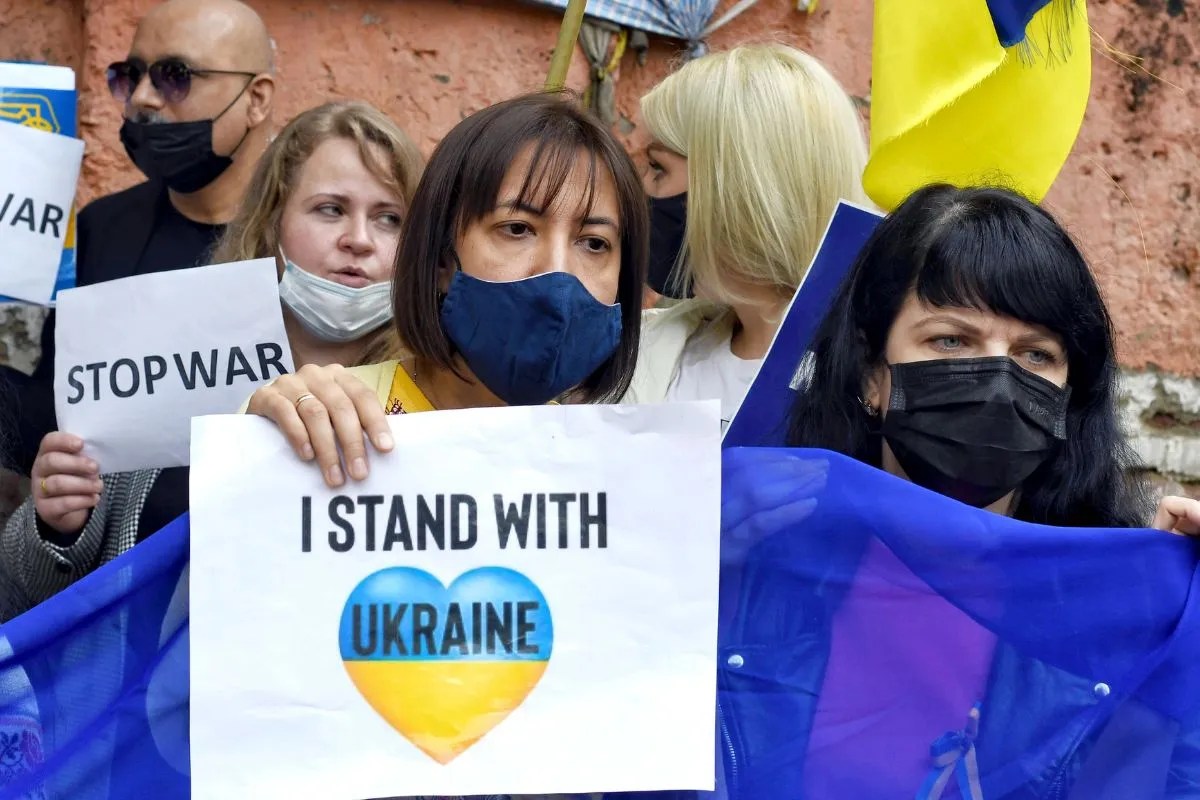
Yet public sentiment on the ground in Kyiv remains deeply divided. Some citizens cling to the hope that high-level pressure might finally stop the bloodshed. Others, like 27-year-old video editor Oleksandr Pastukhov, remain entirely skeptical that diplomatic junkets will alter the trajectory of the war.
Trilateral talks involving Russia and Ukraine directly haven't happened in roughly six months. Until those direct channels reopen with genuine flexibility from Moscow, shuttle diplomacy will remain little more than high-stakes theater.
Keep a close eye on the upcoming trilateral coordination and whether the promised winter energy defense package actually arrives before freezing temperatures hit the front lines.